How Iran secretly built the Houthis — an insider reveals the playbook | Eye for Iran | EP 125 |
Oct 16, 2026 · 1 hr 31 min · 11 segments
It began with an invitation to a conference in Lebanon. Young Yemeni activists believed they were going to discuss democracy and the Arab Spring. But behind the scenes, according to one of those…
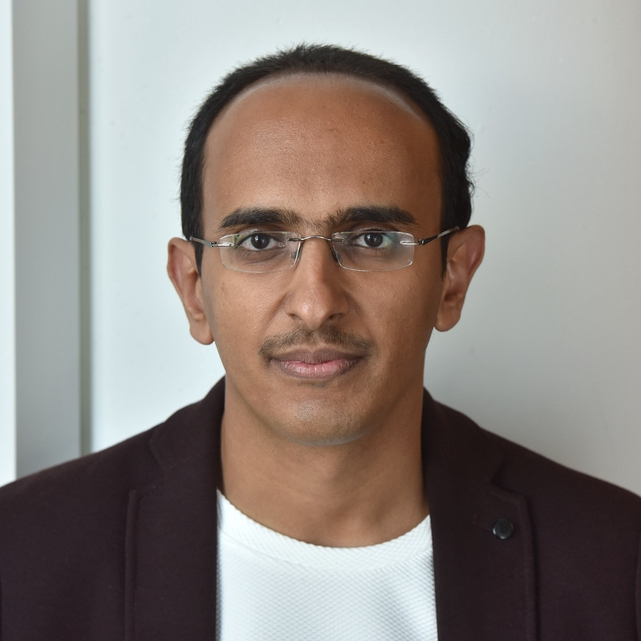
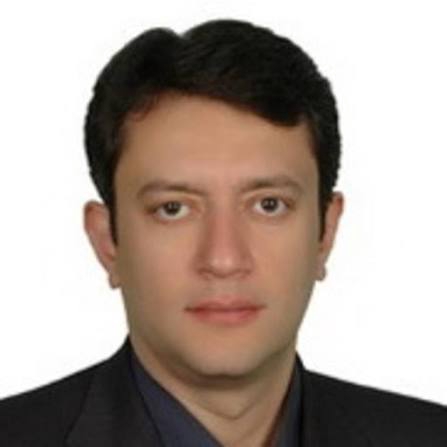
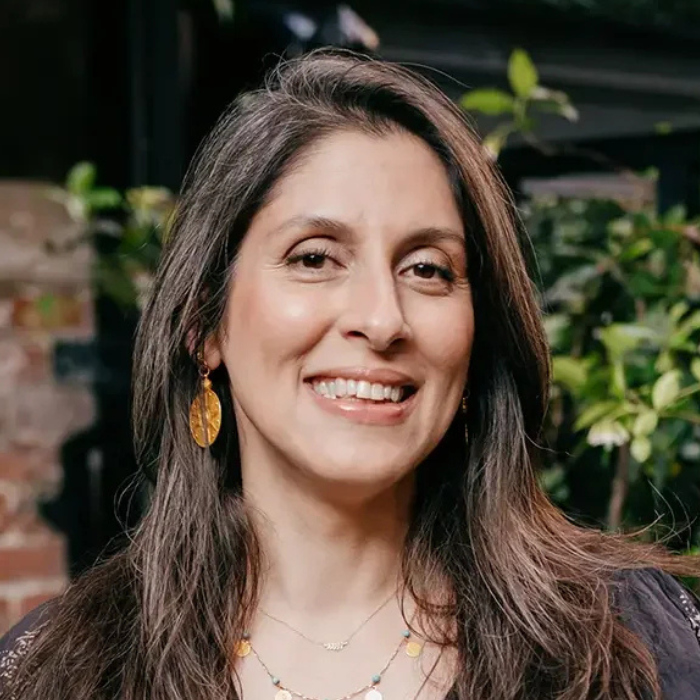
It began with an invitation to a conference in Lebanon. Young Yemeni activists believed they were going to discuss democracy and the Arab Spring. But behind the scenes, according to one of those involved in Yemen’s uprising, Hezbollah operatives were recruiting sympathizers for Iran’s Islamic Revolutionary Guard Corps (IRGC). Some would eventually travel to Tehran. Others would help build the Houthis’ political apparatus. Now, as the Iran-backed Houthis attack Saudi airports and threaten another vital global shipping route, the consequences of that recruitment campaign are coming into sharper focus. This week on Eye for Iran, host Negar Mojtahedi uncovers three disturbing dimensions of the Islamic Republic’s methods of maintaining power — from covert influence operations abroad to executions, judicial repression and disinformation at home. Baraa Shiban, Associate Fellow at the Royal United Services Institute (RUSI) and a former Yemeni pro-democracy activist who negotiated with the Houthis, delivers a remarkable firsthand account of Iran’s early involvement in Yemen. He describes Hezbollah recruitment networks, meetings with IRGC handlers, ideological indoctrination and the moment he realized the Houthis were not the democratic partners they claimed to be. He also recounts witnessing entire villages destroyed and families forced from their homes. With the Houthis now opening another front in the wider Iran war, Shiban explains why he believes Tehran has activated them at this particular moment. Inside Iran, the crackdown is taking another alarming turn. As protesters face execution, the lawyers defending them are increasingly becoming targets themselves. Tatyana Eatwell, UK-based international human rights lawyer who helped represent Nazanin Zaghari-Ratcliffe; Roya Boroumand, Co-Founder and Executive Director of the Abdorrahman Boroumand Center for Human Rights in Iran; and Brandon Silver, Director of Policy and Projects at the Raoul Wallenberg Centre for Human Rights, examine how the Islamic Republic uses its courts to legitimize repression. Why arrest the very lawyers tasked with defending prisoners? And could the judges and prosecutors responsible eventually face international accountability? Finally, what happens when a government can spread its version of events faster than investigators can establish the truth? Shahin Milani, Executive Director of the Iran Human Rights Documentation Center (IHRDC), reveals findings from a new investigation into the Islamic Republic’s disinformation machinery following January’s deadly protests. From contradictory accounts of a young girl’s killing to accusations of Mossad involvement and the government's disputed death toll, Milani traces how narratives spread through state media, IRGC-affiliated outlets, Telegram and X — and how they can reach international audiences. Three revealing conversations. One central question: How far will the Islamic Republic go to preserve its power, both inside Iran and beyond its borders? Watch Eye for Iran for firsthand testimony, original investigations and expert analysis of the forces shaping Iran and the Middle East. Chapters: 02:36 Segment 1: Baraa Shiban | How Iran and Hezbollah Built Influence Inside Yemen 30:17 Segment 2: Tatyana Eatwell, Roya Boroumand & Brandon Silver | Iran’s Executions and the War on Lawyers 1:09:04 Segment 3: Shahin Milani | Inside the Islamic Republic’s Disinformation Machine #iran #houthi #saudiarabia #yemen #executionmatters #deathpenaltydebate #irannews #podcast #news #humanrights
It began with an invitation to a conference in Lebanon. Young Yemeni activists believed they were going to discuss democracy and the Arab Spring. But behind the scenes, according to one of those…