Ernstfall – What if Russia Attacks NATO? Inside a German Wargame
Episode 4: Europe Without America
Jul 15, 2026 · 39 min · 12 segments
Inside a German Wargame Europe's post-war order is facing its most severe test yet in our simulation. While the fictional German cabinet searches for a way out, the Red Team playing the Kremlin has a…
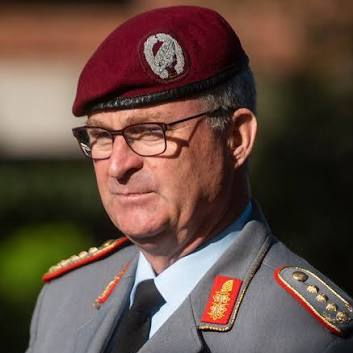
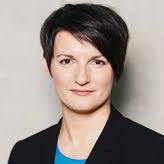
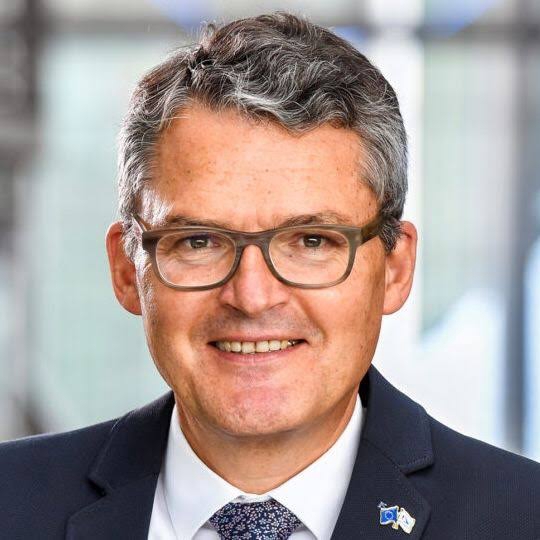
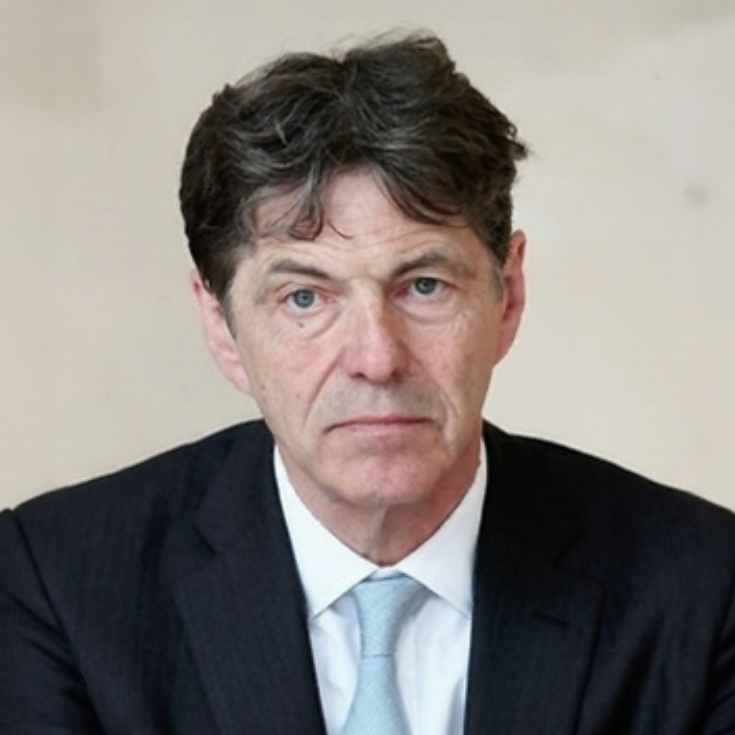
Inside a German Wargame Europe's post-war order is facing its most severe test yet in our simulation. While the fictional German cabinet searches for a way out, the Red Team playing the Kremlin has a plan ready — one that targets Germany's role as NATO's logistical hub. In the Baltic Sea, Berlin faces a dilemma, and the ministers and their advisors are forced to take a long, hard look at themselves, as the Chancellor puts it. As Germany in our wargame calls up reservists, improvises accommodation for soldiers, and hospitals confront questions of triage and priority, a core strategic question moves to center stage: What is Russia's actual objective — and who ultimately controls the narrative? As Berlin attempts to reclaim the power of interpretation, the situation shifts once again. Script and Storytelling: Antonia Beckermann, Carolina Drüten Produced by: Marvin Schwarz If you enjoy the podcast, we’d be grateful if you could leave a rating or review. If you have questions or feedback, we’d love to hear from you at [wargame@welt.de](mailto:wargame@welt.de). The participants of the wargame: Blue Team (Germany) Chancellor: Peter Tauber Defense Minister: Roderich Kiesewetter Foreign Minister: Michael Roth Interior Minister: Irene Mihalic Finance Minister: Jörg Asmussen Government Spokesperson: Christiane Hoffmann Inspector General of the Bundeswehr: Eberhard Zorn President, Federal Office of Civil Protection: Christoph Unger Intelligence Chief: Gerhard Conrad Red Team (Russia) President: Alexander Gabuev Chief of the General Staff: Franz-Stefan Gady Foreign Minister: Arndt Freytag von Loringhoven International roles NATO Secretary General: Oana Lungescu U.S. Secretary of State: Jeff Rathke President of the European Commission: David McAllister Prime Minister of Poland: Bartłomiej Kot Note: With the exception of participants who spoke English in the original wargame, all English-language quotes are voiced by fellow journalists. The translations faithfully reflect the original statements. Imprint: https://www.welt.de/services/article7893735/Impressum.html Privacy Policy: https://www.welt.de/services/article157550705/Datenschutzerklaerung-WELT-DIGITAL.html
Inside a German Wargame Europe's post-war order is facing its most severe test yet in our simulation. While the fictional German cabinet searches for a way out, the Red Team playing the Kremlin has a…