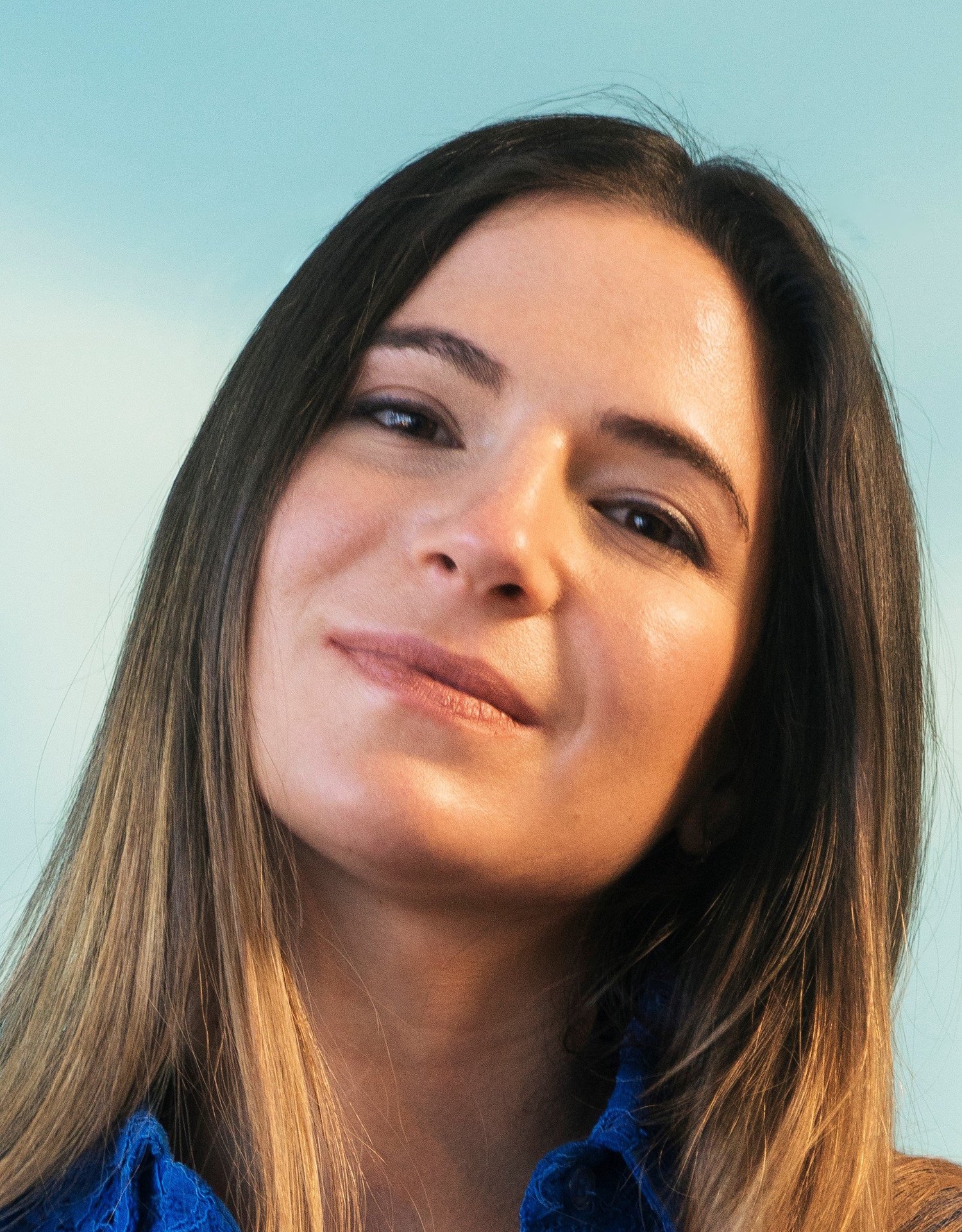
Sui's Kostas Chalkias: I Told Them to Freeze the $163 Million
Jul 29, 2026 · 34 min · 12 segments
As chief cryptographer of Sui and Mysten Labs, Kostas Chalkias helped design a blockchain built on more than 100 published cryptography papers and an object-based architecture fast enough to let AI…
As chief cryptographer of Sui and Mysten Labs, Kostas Chalkias helped design a blockchain built on more than 100 published cryptography papers and an object-based architecture fast enough to let AI agents chain dozens of transactions into a single intent, without skipping the security research most "fast chains" leave out entirely. In this episode of Endgame, Amanda Cassatt sits down with Kostas to break down why validators froze $163 million after the Cetus hack, why post-quantum migration can't wait for a crisis to force it, and why he thinks cryptographers now have exactly one place left to do their best work. But the most unexpected part isn't the tech; it's the path. Chalkias was lecturing cryptography at universities in Dubai before spending three years building Facebook's ill-fated Libra project. He walked away from Meta because, in his words, it was too slow for how fast cryptography actually moves. Now he's chief cryptographer at one of the most talked-about L1s in the space. Timestamp 0:00 – Is the quantum threat to Bitcoin and Ethereum real, or Sui's marketing wedge? 0:42 – Why every chain needs to start quantum migration now 2:32 – Why isn't a single top-40 blockchain quantum-safe yet? 7:52 – Why leave Facebook's Libra project to build another L1? 9:05 – Bitcoin, Ethereum, Solana already won so why build Sui? 21:06 – Why has Sui gone down more than once? 24:33 – The Cetus hack: why validators froze $163M 27:01 – What can only be built on Sui's object-based architecture? 30:14 – Is Sui's confidential-transactions push just Tornado Cash with extra steps? Stay Connected Amanda on X: https://x.com/amandacassatt Serotonin on X: https://x.com/serotonin\_hq Spotify https://open.spotify.com/episode/45B9szUxVXEwfCDA6uRxwq?si=HT9XXqF9Q2CcM9hfLbmkVg Endgame on Apple Podcasts https://podcasts.apple.com/us/podcast/endgame-with-amanda-cassatt/id1801809440 Follow Kostas Chalkias https://www.linkedin.com/in/chalkiaskostas https://x.com/kostascrypto?lang=en
As chief cryptographer of Sui and Mysten Labs, Kostas Chalkias helped design a blockchain built on more than 100 published cryptography papers and an object-based architecture fast enough to let AI…