Destroy! The influence of punk.
Jun 30, 2026 · 36 min · 11 segments
What happens when people stop performing the roles they’ve been assigned? Step outside the social guardrails. Take exception to the rules. In E4, we look at the power of refusal: the women making…
Audrey GoldenGuest
Gina BirchGuest
Vivien GoldmanGuest
Celeste BellGuestOn December 1, 1976, the Sex Pistols went on national television and swore their way through Bill Grundy's Today program.
The next morning, the Daily Mirror gave the scandal its enduring headline, The Filth and the Fury.
One of punk's great acts of mischief was turning bad behavior into a compelling invitation, a way into cultural authority.
But that invitation was not always extended to everyone in the same way, because punk is often remembered as a male insurrection.
Rotten snarling lyrics, Steve Jones's foul-mouthed laddishness, Strummer's polemics, and McLaren's appetite for scandal.
Well, that's an accusation by people who really don't understand what kids want.

It's because punk was aiming at the disenfranchised and giving a voice to the voiceless.

The people who were, as Marley sang, rejected by society, that was punk's natural constituency.
From the posters it does seem that the record companies and the promoters are clashing in on the violent aspects and that you actually use that to publicise the record.
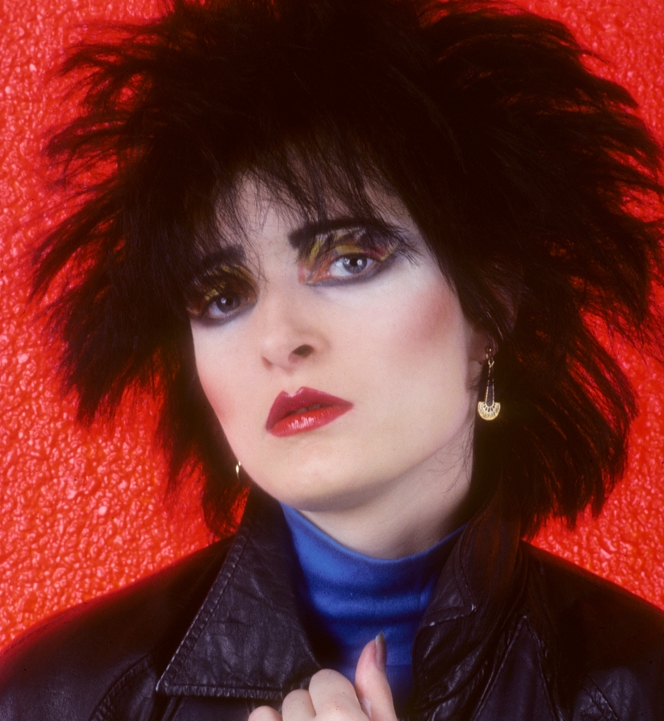
For women, refusing to behave disturbs something more ingrained, the demand to always be pleasing, seen but not heard, available, decorative, compliance.

It's pretty unique that there was this crop of women musicians coming up for the first time in a more self-determined way than had ever happened before.

There wasn't that many compared with the guys, but the fact that there was any made it a revolution.
It's a question of how you feel.
The point is to change yourself.
In the heart of South West London, in a small shop along Chelsea's Kings Road, Vivienne Westwood and Malcolm McLaren helped build one of Punk's central laboratories.
But Punk's visual language did not move simply from designer to shop, from manager to band, from clothes rail to stage.
On December 1, 1976, the Sex Pistols went on national television and swore their way through Bill Grundy's Today program.
The next morning, the Daily Mirror gave the scandal its enduring headline, The Filth and the Fury.
One of punk's great acts of mischief was turning bad behavior into a compelling invitation, a way into cultural authority.
But that invitation was not always extended to everyone in the same way, because punk is often remembered as a male insurrection.
Rotten snarling lyrics, Steve Jones's foul-mouthed laddishness, Strummer's polemics, and McLaren's appetite for scandal.
Well, that's an accusation by people who really don't understand what kids want.

It's because punk was aiming at the disenfranchised and giving a voice to the voiceless.

The people who were, as Marley sang, rejected by society, that was punk's natural constituency.
From the posters it does seem that the record companies and the promoters are clashing in on the violent aspects and that you actually use that to publicise the record.
For women, refusing to behave disturbs something more ingrained, the demand to always be pleasing, seen but not heard, available, decorative, compliance.

It's pretty unique that there was this crop of women musicians coming up for the first time in a more self-determined way than had ever happened before.

There wasn't that many compared with the guys, but the fact that there was any made it a revolution.
It's a question of how you feel.
The point is to change yourself.
In the heart of South West London, in a small shop along Chelsea's Kings Road, Vivienne Westwood and Malcolm McLaren helped build one of Punk's central laboratories.
But Punk's visual language did not move simply from designer to shop, from manager to band, from clothes rail to stage.
The rest of this transcript — segmented and speaker-labeled, so you land on the exact moment something was said
Search every transcript — by keyword, by phrase, or by meaning, across every show Radar indexes
Trends — what is surging across podcasts, measured against its own baseline
Alerts — when a name you follow appears in a newly indexed episode
No account is needed to search Radar.