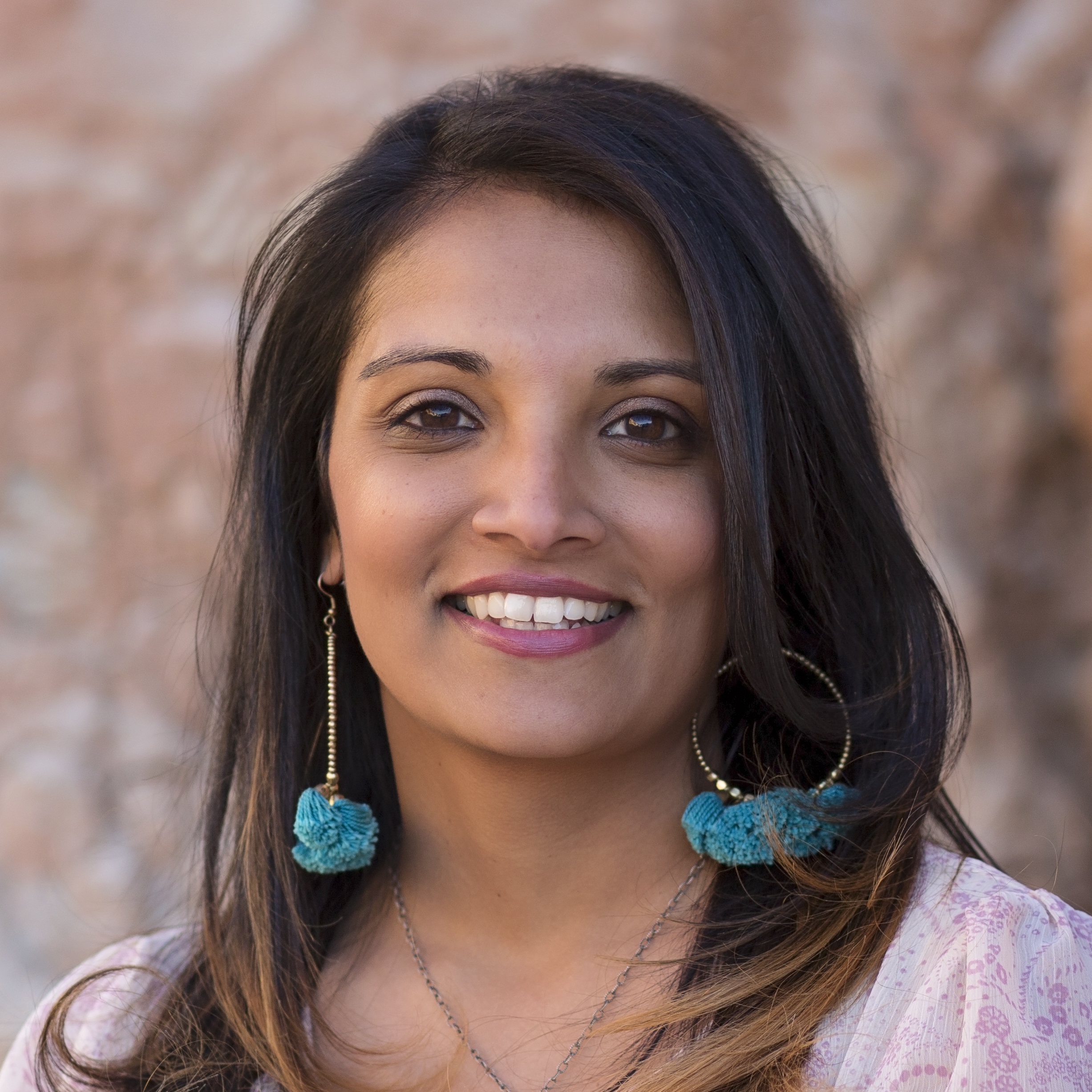
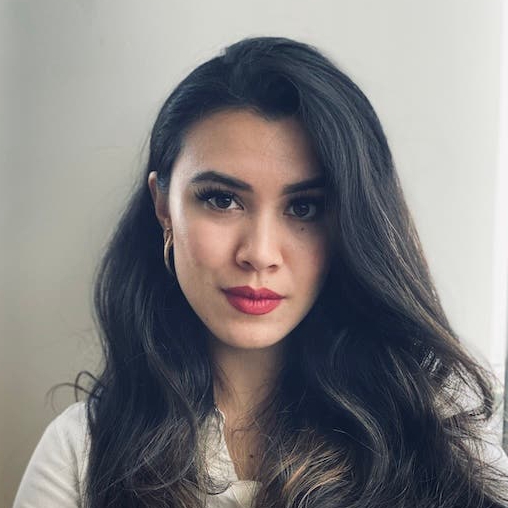
Evelyn SkyeGuest
Joanna PhoenixHost
And so my first drafts are, like, 50,000 words, which I know means nothing to a reader, but to anyone in the audience who's a writer, that's almost a novella.


So one thing I learned from the very beginning, from my very first book that I wrote, The Cr- um, The Crown's Game, was that if I shift into different people's heads and have different perspectives, that makes more pages.

But I think also, just as a human being, I really like trying to step into other people's shoes, and not just, like, on, on a very sh- surface level, but really kind of, like, sit into it and be like, "What is this person's life?" And from their experiences, how do they see this scene that's going on or this, you know, in this case, this technology that's unfolding? And so in Ideal Life, we have optimization culture.

We've got Talia's parents who are in the story, and also I didn't talk about Sam.

Sam is her best friend and potential love interest, and, um, his parents also come into the story, and they have a very different relationship with technology.

I'm, we, I think we've all been there, where, like, our parents will call us and say, "My computer is broken, now what do I do?" And you're like, "Okay, well, let me try to help you," but you can't even, like, do a Zoom call with a screen share because that's too much, right? Um, and so then now, n- now, like, now, now, now, right now with what's happening to us with AI, and everything is accelerating even faster, the generation of our parents are really just getting left behind.

And then even our generation, I'm a very young Gen X? Yeah, young Gen, I'm 1979, and so, like, 1980 is, like, supposedly cut off for Millennials, so technically I'm Gen X.

I'm like, "What are these things?" I just, I just want my iPhone with my five apps that I use because I don't even use that to, like, the maximum possibility.

So I really wanted to kind of, like, explore how everyone's relationship is with the new technologies, with the pressure to optimize, to, like, self-improve because that isn't how everyone's always been, you know? And so, yeah, that's kind of...

That was a very long-winded way to say this is why I like writing different characters.

It helps me understand the world and people better, and I think it makes the story richer.

One of my favorite parts was when they were in conversation with one another about what to do or how to perceive the changes that are happening in our society and ourselves.
The rest of this transcript — segmented and speaker-labeled, so you land on the exact moment something was said
Search every transcript — by keyword, by phrase, or by meaning, across every show Radar indexes
Trends — what is surging across podcasts, measured against its own baseline
Alerts — when a name you follow appears in a newly indexed episode
No account is needed to search Radar.