Rwanda's Economic Model Explained
Oct 13, 2026 · 56 min · 14 segments
Hyper-Growth: Inside Rwanda's Economic Blueprint | How a Post-Genocide Nation Became Africa's Fastest-Growing EconomyIn 1994, Rwanda's GDP collapsed by more than 50%. By 2025, the economy was growing…
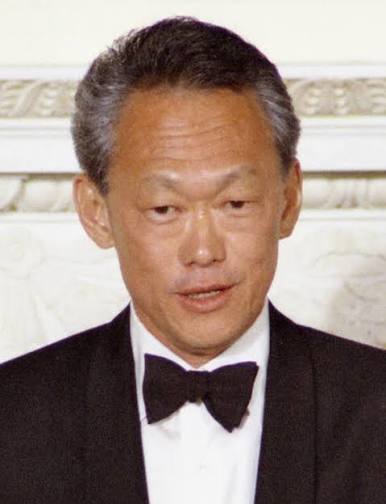
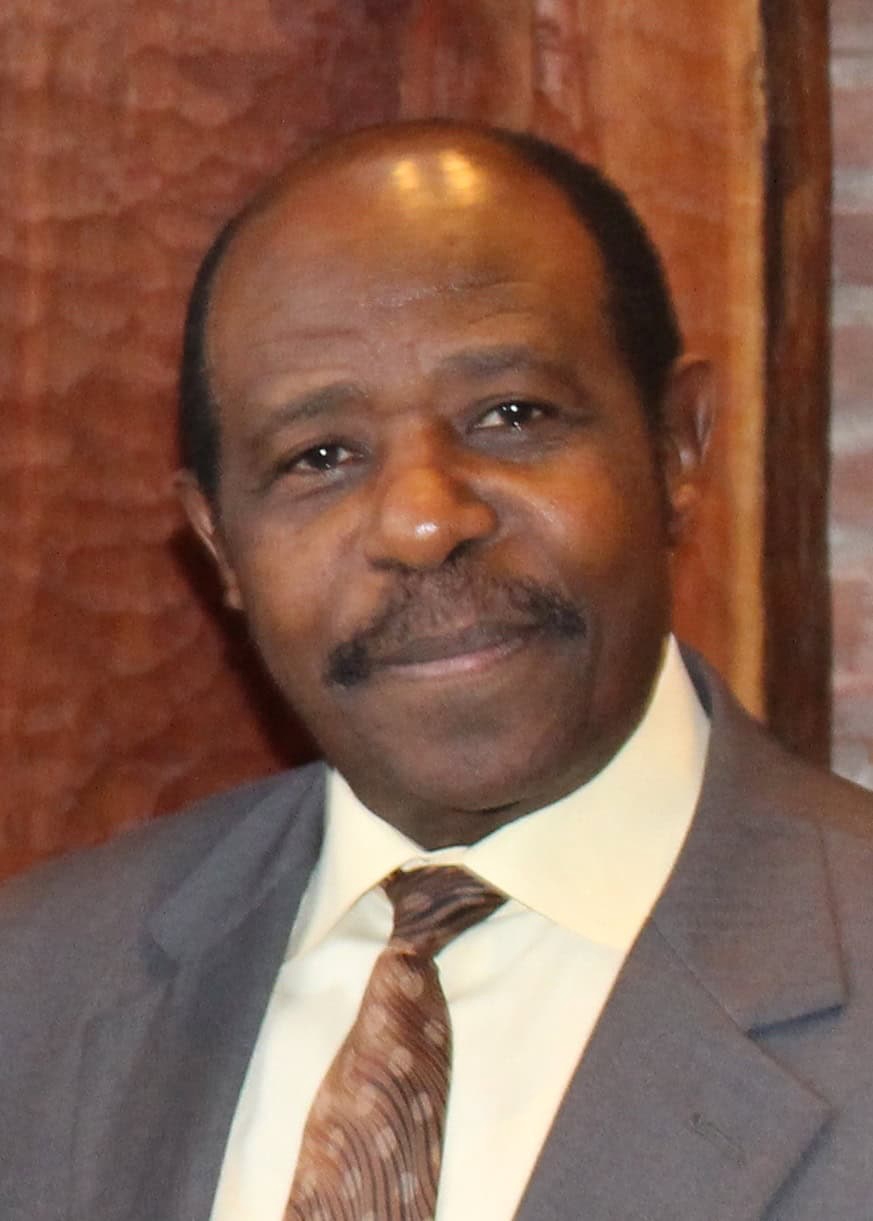
Hyper-Growth: Inside Rwanda's Economic Blueprint | How a Post-Genocide Nation Became Africa's Fastest-Growing EconomyIn 1994, Rwanda's GDP collapsed by more than 50%. By 2025, the economy was growing at 9.4% — one of the fastest rates on Earth. How did a small, landlocked African country with no oil, no coastline, and no significant natural resources pull off one of the most dramatic economic transformations in modern history?In this deep-dive analysis, we crack open Rwanda's full economic blueprint — the strategy, the math, the mega-projects, and the uncomfortable trade-offs nobody puts on the brochure.We cover:🔹 The "Zero Hour" — Rwanda's catastrophic starting point and the Vision 2020 turnaround🔹 The Singapore Model — how Paul Kagame studied Lee Kuan Yew's playbook and applied it to Africa🔹 The Services-First Heresy — why Rwanda is skipping the manufacturing stage entirely🔹 Visit Rwanda — the Arsenal, PSG & Atlético sponsorships and the $685M tourism machine🔹 Kigali Innovation City — the $2 billion bet on becoming Africa's tech hub🔹 The Debt-Fueled Mega-Bets — Bugesera Airport, RwandAir, and the IMF's warnings🔹 The Asterisks — authoritarianism, the DRC conflict, M23, and the RPF business empire🔹 Vision 2050 — the roadmap to high-income status by mid-centuryBacked by data from the IMF, World Bank, NISR, Rwanda Development Board, UN, and Fitch Ratings.Whether Rwanda is Africa's Singapore or a fragile miracle waiting to crack — the answer matters for the entire continent's future.💬 Drop a comment: Which African economy should we break down next — Ethiopia or Nigeria?👍 Like the video if you want more deep dives like this🔔 Subscribe for weekly economics, geopolitics, and policy explainers#Rwanda #Economics #Africa #Kagame #Geopolitics #EmergingMarkets #Vision2050 #KigaliInnovationCity #VisitRwanda #AfricanEconomy #Singapore #DevelopmentEconomics #IMF #ForeignInvestment #tourism
Hyper-Growth: Inside Rwanda's Economic Blueprint | How a Post-Genocide Nation Became Africa's Fastest-Growing EconomyIn 1994, Rwanda's GDP collapsed by more than 50%. By 2025, the economy was growing…
- Speakers
- EEpisode HostHost