What does it actually take to build a battery industry from scratch?
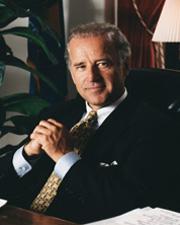
In this episode, Jill Pestana sits down with David Howell, former Director of DOE's Vehicle Technologies Office, founding Chair of the Federal Consortium for Advanced Batteries, and one of the architects of the U.S. battery manufacturing buildout, to trace the inside story of how America got here.
Dave takes us through three inflection points he lived from the center of: the early 2000s transition from nickel metal hydride to lithium ion, when you could count domestic lithium battery companies on one hand; the first real commercial EV market around 2010, when government policy had to shift from R&D to scale; and the supply chain reckoning of 2016 and beyond, when China's Made in China 2025 policy changed the game overnight.
Along the way, Dave shares stories including how DOE placed simultaneous bets on three cathode chemistries (NCA, NMC, and LFP) that all made it to market, how a two-person U.S. startup backed by LG Chem became LG Chem Michigan, and what it took to get 18 federal agencies and 65 offices coordinating around a single national battery blueprint.
Now VP at Strategic Marketing Innovations (SMI) and founder of FCAB, Dave reflects on what the policy environment looks like from the outside, and what the domestic supply chain still needs to get right.
For more information about NAATBatt International, the leading trade association for advanced battery technology in North America, visit https://www.naatbatt.org.

 David HowellGuest
 Jill PestanaHost