Oct 13, 2026 · 52 min · 11 segments
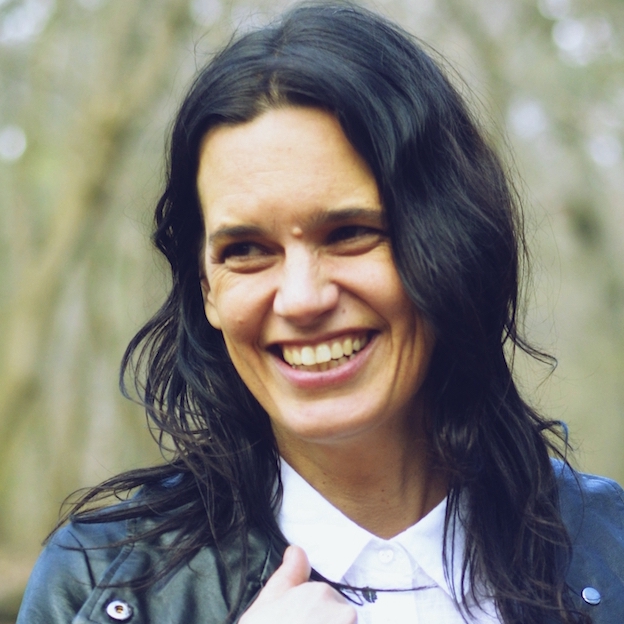
Leanne Betasamosake Simpson is a renowned Michi Saagiig Nishnaabeg musician, writer and academic. She is the author of eight books and a member of Alderville First Nation. Our interview with her is…
Leanne Betasamosake SimpsonGuestYeah.
There's so much in what you're saying that's really flipping dominant conceptions of the university on its head, right? That you go to the university, that the university is a place where you separate from the rest of your life, and you don't bring your community with you.
But instead, it's going from the land and building knowledge out of that, building it in community with others.
Um, and there's a lot there, but I really wanna dig into the, the idea of, of the land a little bit more.
This is something that you've talked about in your book, As We Have Always Done, framing this idea of land as pedagogy, which frames knowledge not as something that's owned and possessed but as a mode of relating between participants and land through what you call, and I'm quoting here, "a compassionate web of interdependent relationships." So could you talk a little bit more specifically about what land-based pedagogy looks like, maybe using, like, some specific examples from Dechinta and, um, what classes are there, who goes to these classes, how are they organized, what is the mode of studying when people are there? And I'm, I'm thinking particularly in, in contrast to, quote, unquote, "normal education" and also what we talk about in education often as, like, place-based education, which I feel like is a very apolitical, sanitized version of what you're exploring.
So we're aiming to remove as many barriers as possible to post-secondary education for indigenous students in the North.
Any sort of barrier, we're trying to eliminate, and one of the biggest barriers, I think, is coming out of high school, um, which has pretty low graduation rates for indigenous students in part because of, of racism.
Students have been taught that they are not smart enough to go on in school.
Um, they've been taught that it's, it's not a place for indigenous students, and it certainly isn't a place for indigenous knowledge or, or land-based knowledge.
So I think that's the, the first mode is that we have a pretty open access in terms of our ad- our admissions policy, and we work very hard.
Our admissions coordinator works very hard right from day one to help students navigate, um, this, the system in terms of getting transcripts and, and getting, um, their paperwork in because that can be quite intimidating, and it can be quite Arduous on students.
Um, we take students and, and their, their children out on the land with elders to live together in a community from...
So we're living together, sometimes in cabins, often in canvas tents, in all kinds of, of different weather.
[laughs] Um, we have to take care of each other because we're literally all that we have.
We're often in remote locations, and so we often don't have Wi-Fi or, or cell service.
Yeah.
There's so much in what you're saying that's really flipping dominant conceptions of the university on its head, right? That you go to the university, that the university is a place where you separate from the rest of your life, and you don't bring your community with you.
But instead, it's going from the land and building knowledge out of that, building it in community with others.
Um, and there's a lot there, but I really wanna dig into the, the idea of, of the land a little bit more.
This is something that you've talked about in your book, As We Have Always Done, framing this idea of land as pedagogy, which frames knowledge not as something that's owned and possessed but as a mode of relating between participants and land through what you call, and I'm quoting here, "a compassionate web of interdependent relationships." So could you talk a little bit more specifically about what land-based pedagogy looks like, maybe using, like, some specific examples from Dechinta and, um, what classes are there, who goes to these classes, how are they organized, what is the mode of studying when people are there? And I'm, I'm thinking particularly in, in contrast to, quote, unquote, "normal education" and also what we talk about in education often as, like, place-based education, which I feel like is a very apolitical, sanitized version of what you're exploring.
So we're aiming to remove as many barriers as possible to post-secondary education for indigenous students in the North.
Any sort of barrier, we're trying to eliminate, and one of the biggest barriers, I think, is coming out of high school, um, which has pretty low graduation rates for indigenous students in part because of, of racism.
Students have been taught that they are not smart enough to go on in school.
Um, they've been taught that it's, it's not a place for indigenous students, and it certainly isn't a place for indigenous knowledge or, or land-based knowledge.
So I think that's the, the first mode is that we have a pretty open access in terms of our ad- our admissions policy, and we work very hard.
Our admissions coordinator works very hard right from day one to help students navigate, um, this, the system in terms of getting transcripts and, and getting, um, their paperwork in because that can be quite intimidating, and it can be quite Arduous on students.
Um, we take students and, and their, their children out on the land with elders to live together in a community from...
So we're living together, sometimes in cabins, often in canvas tents, in all kinds of, of different weather.
[laughs] Um, we have to take care of each other because we're literally all that we have.
We're often in remote locations, and so we often don't have Wi-Fi or, or cell service.
The rest of this transcript — segmented and speaker-labeled, so you land on the exact moment something was said
Search every transcript — by keyword, by phrase, or by meaning, across every show Radar indexes
Trends — what is surging across podcasts, measured against its own baseline
Alerts — when a name you follow appears in a newly indexed episode
No account is needed to search Radar.