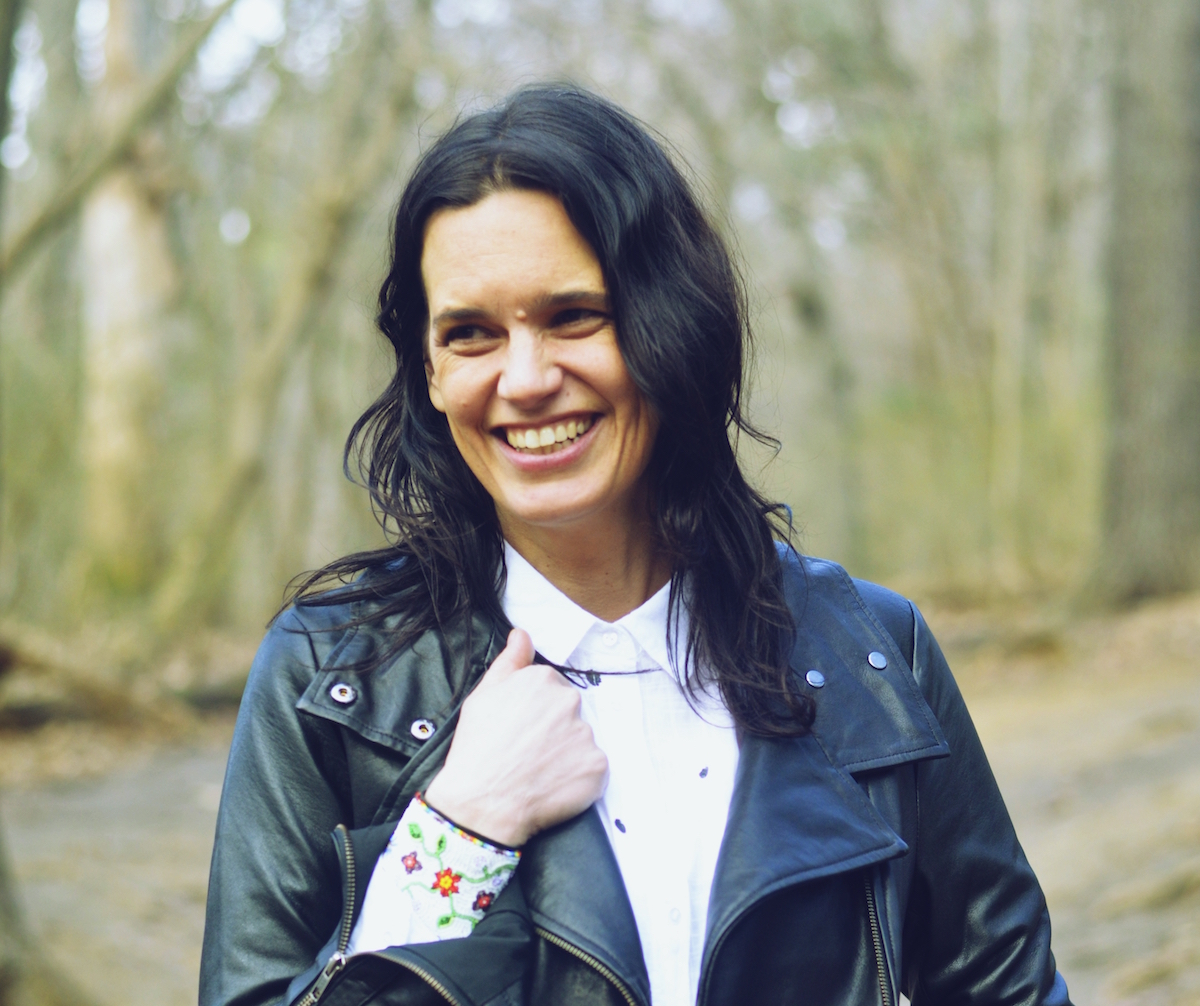
Leanne Betasamosake Simpson
Writer and musician
3
APPEARANCES
3
PODCASTS
Oct 13, 2026

speaker_3MODERATOR
This is something that you've talked about in your book, As We Have Always Done, framing this idea of land as pedagogy, which frames knowledge not as something that's owned and possessed but as a mode of relating between participants and land through what you call, and I'm quoting here, "a compassionate web of interdependent relationships." So could you talk a little bit more specifically about what land-based pedagogy looks like, maybe using, like, some specific examples from Dechinta and, um, what classes are there, who goes to these classes, how are they organized, what is the mode of studying when people are there? And I'm, I'm thinking particularly in, in contrast to, quote, unquote, "normal education" and also what we talk about in education often as, like, place-based education, which I feel like is a very apolitical, sanitized version of what you're exploring.
10:53

So we're aiming to remove as many barriers as possible to post-secondary education for indigenous students in the North.
13 MINS LATER
speaker_1MODERATOR
Um, I'm just, yeah, wondering about how, how you think of governance and m- m- maybe here I, I wonder if, did you want to bring in your thoughts about indigenous internationalism, also how you think of governance and organizations in relation to multiple indigenous nations and also across human and other than human kinds of beings? There are a lot of questions there, but yeah, basically how you think about governance and organization across all these different actors and scales.


Nahlah AyedHOST
She told me how an academic posting in Yellowknife led her to think deeply about water.
4:01
I had the opportunity through my work at the DeCinta Center for Research and Learning to spend about a month on the side of a lake that was transforming from a frozen winter world into a summer, watery, wet gathering place for fish and ducks and birds and people.
4:25
Canadians are around lakes and rivers that are freezing and melting all the time, but it's rare that we get to sit on the shore in that overlapping space of land and water and sky and witness that transformation on a day-to-day basis.
4:47
And so in my work as a musician, I wrote the record Theory of Ice about that experience.
25 MINS LATER
Nahlah AyedHOST
Nebe plays a central role in the version of the Anishinaabe creation story Simpson recounts in Theory of Water and in her lecture.


10:41
So I chummed around with an elder, Doug Williams, who was from Curve Lake and has passed away.
10:47
But we were great friends and we spent a lot of time in our territory over almost three decades.
10:56
Him and I were out in the woods one day, and we were out on a particular creek that was flowing into Stony Lake, and he started talking about eels.
11:09
I was like, what are you? There's eels, there's sea lampreys in the Great Lakes, there's eels in the Sargasso Sea, but what are you talking about? He was talking about how they were a great protein source.
23 MINS LATER
34:02
So can you talk more about this as the way it helps us be receptive to the idea of an internationalism that is not internationalism in a kind of socialist communist sense, but in an indigenous sense.