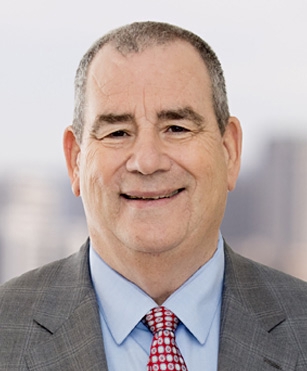
So what were your big takeaways from our, our witness prep and direct class, George?
Yeah, so it was a, a humbling experience.
Um, it was, uh, a good experience, too.
I, I, um, really, um, enjoyed what you were able to teach us about modeling, um, witness direct testimony, as well as creating space.
I think, um, some of the insights that you gave, um, about how to bond with witnesses and, uh, improve our eye contact, uh, may have appeared, you know, kind of intuitive, but were, were just brilliant.
And, um, it was a good time.
Well, good.
I mean, you know, and I think witness prep is often overlooked, and I think it's probably the most valuable skill, especially for young lawyers, because if you can really...
First of all, you gotta be able to get the client's story before you can tell it.
If you don't get the client's story from them, you're just making shit up.
And secondly, you know, young lawyers working on those smaller cases, if the, if the plaintiffs do great in those depositions on those hundred thousand dollar policies, they're gonna get paid.
And that's important because it justifies their salary from the firm that's hired them, and it gives them a chance to meaningfully contribute, too.
That's another reason I think witness prep is, you know, the first real skill that young lawyers should learn, followed by cross-examination, because they're gonna be hopefully taking a lot of depos sooner than later.
You know, I hear about some of these firms, stu- somebody's been there two years, and they, they haven't got to do a depo yet, which I think is crazy.
But, you know, but you gotta learn the skills.
You know, people are like, "Oh, I want these opportunities," but, like, they don't have any skills, and it's like nobody's just gonna, like, let you, like, experiment on their good case, right? But...
Yeah, so the vast majority of, uh, witness prep, uh, CLEs that I've been a part of look a lot like what David Ball and, and Don Keenan taught us all to do, you know, ten, fifteen years ago.
This was a, a completely new set of skills.
It, it was really valuable, so I, I was, uh, grateful to have been part of it.
Right, the skill of, like, learning how to get a witness to transport, to go back in time and space and relive the event, and then when they do, be able to help them transition that flowing narrative of them reliving it into an effective question and answer format that is f- you know, focused and moves the st- uh, in the practice of moving the story along instead of just kind of meandering and wasting time.
And again, it goes like Joe Fried's philosophy on speed trial, or what I used to call the minimum effective dose, which is how little can we give the jury so they get to the emotional core of the story? That's really what we're working on when we do the witness prep and direct, because they gotta, you know, they gotta get the story from the plaintiff, often the most important witness in a case.
I mean, you know, how many times does, you know, they don't like your plaintiff, it's really hard for them to find for them and, you know, and deliver a, a, a meaningful verdict.
They don't inherently like it.
I mean, it's possible.
If you get a really bad defendant with a really big betrayal, it's possible.
So what were your big takeaways from our, our witness prep and direct class, George?
Yeah, so it was a, a humbling experience.
Um, it was, uh, a good experience, too.
I, I, um, really, um, enjoyed what you were able to teach us about modeling, um, witness direct testimony, as well as creating space.
I think, um, some of the insights that you gave, um, about how to bond with witnesses and, uh, improve our eye contact, uh, may have appeared, you know, kind of intuitive, but were, were just brilliant.
And, um, it was a good time.
Well, good.
I mean, you know, and I think witness prep is often overlooked, and I think it's probably the most valuable skill, especially for young lawyers, because if you can really...
First of all, you gotta be able to get the client's story before you can tell it.
If you don't get the client's story from them, you're just making shit up.
And secondly, you know, young lawyers working on those smaller cases, if the, if the plaintiffs do great in those depositions on those hundred thousand dollar policies, they're gonna get paid.
And that's important because it justifies their salary from the firm that's hired them, and it gives them a chance to meaningfully contribute, too.
That's another reason I think witness prep is, you know, the first real skill that young lawyers should learn, followed by cross-examination, because they're gonna be hopefully taking a lot of depos sooner than later.
You know, I hear about some of these firms, stu- somebody's been there two years, and they, they haven't got to do a depo yet, which I think is crazy.
But, you know, but you gotta learn the skills.
You know, people are like, "Oh, I want these opportunities," but, like, they don't have any skills, and it's like nobody's just gonna, like, let you, like, experiment on their good case, right? But...
Yeah, so the vast majority of, uh, witness prep, uh, CLEs that I've been a part of look a lot like what David Ball and, and Don Keenan taught us all to do, you know, ten, fifteen years ago.
This was a, a completely new set of skills.
It, it was really valuable, so I, I was, uh, grateful to have been part of it.
Right, the skill of, like, learning how to get a witness to transport, to go back in time and space and relive the event, and then when they do, be able to help them transition that flowing narrative of them reliving it into an effective question and answer format that is f- you know, focused and moves the st- uh, in the practice of moving the story along instead of just kind of meandering and wasting time.
And again, it goes like Joe Fried's philosophy on speed trial, or what I used to call the minimum effective dose, which is how little can we give the jury so they get to the emotional core of the story? That's really what we're working on when we do the witness prep and direct, because they gotta, you know, they gotta get the story from the plaintiff, often the most important witness in a case.
I mean, you know, how many times does, you know, they don't like your plaintiff, it's really hard for them to find for them and, you know, and deliver a, a, a meaningful verdict.
They don't inherently like it.
I mean, it's possible.
If you get a really bad defendant with a really big betrayal, it's possible.
The rest of this transcript — segmented and speaker-labeled, so you land on the exact moment something was said
Search every transcript — by keyword, by phrase, or by meaning, across every show Radar indexes
Trends — what is surging across podcasts, measured against its own baseline
Alerts — when a name you follow appears in a newly indexed episode
No account is needed to search Radar.