Jun 14, 2026 · 53 min · 11 segments
***Rationing*. It's a word which sends shivers down the spine. A word which conjures up Spam and powdered eggs, potato peel pie and cabbage. Endless cabbage. But it wasn't all doom and gloom. And…
Oswin BakerHostClare ThompsonGuest
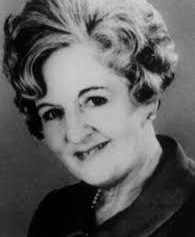
Carla O'ShaughnessyHostyou?[buzzer] Marguerite died just short of her 100th birthday, and she was born during the First World War.
She cooked a bit as a kid, but not that much, and her mother, I like this one, lamented what could have been.
It does seem a shame." Marguerite might have liked a bit of history, but what she really loved was acting, and just after she left school at the age of 18, she was accepted into RADA, and this is massive.
In the previous decade, John Gielgud, Edith Evans, Charles Laughton, Joan Hickson, our very own Miss Marple, all of these greats had trained there, and now Marguerite has her chance.
And we hear a lot today about the economics of acting, that working class actors are just priced out of the profession, and it was as true then as it is today.
So she gets a job, and it's a job which sets her up for life, and there's a little bit of performing in there, too, because she's working for the North Metropolitan Electric Power Supply Company, bit of a mouthful, as a junior home economist.
Now, you may wonder what an electricity company has to do with cooking, but at the time, the early 1930s, most people still cook with gas or even coal.
But the first electric Baby Belling cooker is launched in 1929, and other electricity companies want to get in on the act.
So Marguerite's job is to sell the convenience of electric cooking to the general public.
You know the people standing in the kitchen section of the department store trying to get you to try this or that gadget? Well, that is where Marguerite marries her acting and her cooking.

She has sort of a nine-month season in, in Oldham in 1937, but she keeps coming back to the magic of being a demonstrator.

I mean, even more than acting, Marguerite can literally see people's lives changing as a direct result of her performance.

And I mean, electric cookers are one thing, but fridges, why would anyone need, in Britain, in British weather, an electric box to keep things cold? I mean-

And, and literally people who did have fridges in the early 1930s, they would turn them off in-
you?[buzzer] Marguerite died just short of her 100th birthday, and she was born during the First World War.
She cooked a bit as a kid, but not that much, and her mother, I like this one, lamented what could have been.
It does seem a shame." Marguerite might have liked a bit of history, but what she really loved was acting, and just after she left school at the age of 18, she was accepted into RADA, and this is massive.
In the previous decade, John Gielgud, Edith Evans, Charles Laughton, Joan Hickson, our very own Miss Marple, all of these greats had trained there, and now Marguerite has her chance.
And we hear a lot today about the economics of acting, that working class actors are just priced out of the profession, and it was as true then as it is today.
So she gets a job, and it's a job which sets her up for life, and there's a little bit of performing in there, too, because she's working for the North Metropolitan Electric Power Supply Company, bit of a mouthful, as a junior home economist.
Now, you may wonder what an electricity company has to do with cooking, but at the time, the early 1930s, most people still cook with gas or even coal.
But the first electric Baby Belling cooker is launched in 1929, and other electricity companies want to get in on the act.
So Marguerite's job is to sell the convenience of electric cooking to the general public.
You know the people standing in the kitchen section of the department store trying to get you to try this or that gadget? Well, that is where Marguerite marries her acting and her cooking.

She has sort of a nine-month season in, in Oldham in 1937, but she keeps coming back to the magic of being a demonstrator.

I mean, even more than acting, Marguerite can literally see people's lives changing as a direct result of her performance.

And I mean, electric cookers are one thing, but fridges, why would anyone need, in Britain, in British weather, an electric box to keep things cold? I mean-

And, and literally people who did have fridges in the early 1930s, they would turn them off in-
The rest of this transcript — segmented and speaker-labeled, so you land on the exact moment something was said
Search every transcript — by keyword, by phrase, or by meaning, across every show Radar indexes
Trends — what is surging across podcasts, measured against its own baseline
Alerts — when a name you follow appears in a newly indexed episode
No account is needed to search Radar.