Steven Donziger : How An Oil Giant Turned A Lawsuit Into A Weapon
Aug 2, 2026 · 52 min · 11 segments
Steven Donziger joins the Unfettered Speech Podcast to lay out a modern environmental justice and corporate accountability saga that begins in the Ecuadorian Amazon and ends in a New York courtroom…
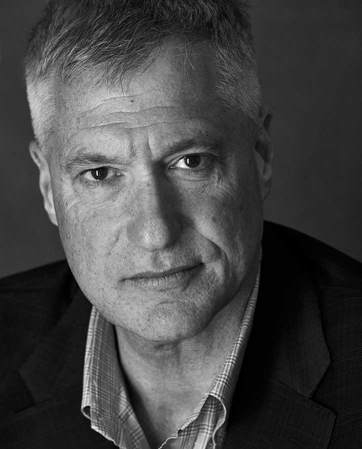
Steven Donziger joins the Unfettered Speech Podcast to lay out a modern environmental justice and corporate accountability saga that begins in the Ecuadorian Amazon and ends in a New York courtroom. He describes representing roughly 30,000 Indigenous and farmer villagers who say Chevron, after acquiring Texaco’s operations, used an engineered dumping system to discharge billions of gallons of toxic oil waste into rivers, pits, and groundwater. The health impacts he recounts include widespread cancer, deaths, and the daily reality of living without clean water or adequate medical care, which is why the region is often called the “Amazon Chernobyl.” Donziger emphasizes this was not an accident but a cost-saving choice, and he frames the case as a test of whether environmental law can restrain fossil fuel power when pollution targets remote, vulnerable communities. After years of litigation, Donziger says the communities won a landmark environmental judgment in Ecuador that was affirmed on appeal, yet Chevron refused to pay. He argues the company shifted tactics from defending the pollution case to attacking the lawyer and the legal process itself, describing a Civil RICO lawsuit against him in the United States, the denial of a jury, and reliance on testimony from a paid witness later accused of lying under oath. The conversation focuses on how corporate litigation strategy can become personal: bankrupting an opponent through legal fees, severing attorney-client relationships, and chilling other lawyers from taking similar Indigenous rights and human rights cases. The point is larger than one dispute, he says, because if a company can neutralize counsel, it can effectively erase a community’s ability to enforce a judgment. The episode then turns to the constitutional and separation of powers questions raised by Donziger’s criminal contempt prosecution. He explains that after he refused to turn over a confidential case file protected by attorney-client privilege, a federal judge held him in criminal contempt. When federal prosecutors declined to pursue the case, the judge appointed private lawyers to prosecute anyway, which Donziger describes as an unprecedented “corporate criminal prosecution.” He recounts being placed under home confinement with an ankle monitor for more than two years while the case dragged on, far exceeding the six-month maximum sentence for the misdemeanor charge. The discussion highlights why this matters for rule of law: who gets to wield prosecutorial power, what safeguards exist against conflicts of interest, and how easily procedure can become punishment. From there, the hosts press on the politicization of the judiciary and what “corporate capture” looks like in practice. Donziger connects his experience to broader patterns: campaign finance as legalized bribery, the shrinking share of independent judges, and long-term efforts to shape courts through networks and ideology. The conversation touches on the Federalist Society, the Lewis Powell memo, and how Supreme Court power struggles can distort outcomes even when legal principles seem clear. Donziger also expands the lens to mass incarceration and the prison industrial complex, arguing that excessive sentences often serve political incentives rather than public safety. The episode closes with practical next steps and a reminder that the Ecuador case continues through efforts to enforce the judgment against Chevron assets abroad, along with ways listeners can follow and support that work. Chapters: - 0:00. Welcome And Guest Introduction - 0:38 The Amazon Chernobyl Case Explained - 3:51 The RICO Attack And Guerra Testimony - 7:34 Contempt Charge And Private Prosecutors - 11:35 House Arrest Beyond Maximum Sentence - 14:20 Supreme Court Cert Denial Politics - 21:15 Corporate Capture And The Fascism Question - 28:01 Politicized Justice And Mass Incarceration - 33:01 The Long Project To Capture Courts - 36:20 Two Corporate Parties And Extreme Inequality - 43:52 Where To Follow And Support Donziger - 46:04 Ecuador Today And The Fight Ahead - 51:08 Final Thanks And Subscribe
Steven Donziger joins the Unfettered Speech Podcast to lay out a modern environmental justice and corporate accountability saga that begins in the Ecuadorian Amazon and ends in a New York courtroom…