The Strange Brew - artist stories behind the greatest music ever recorded
Sep 18, 2026 · 42 min · 12 segments
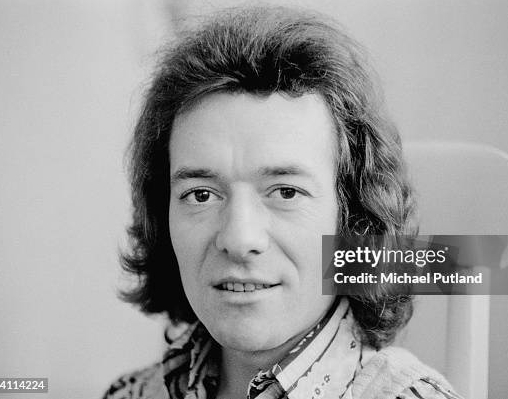
Allan Clarke started The Hollies with Graham Nash as a teenager, copying other people’s records at Abbey Road. He left the group, came back, then left again, and along the way his voice carried the…
Allan ClarkeGuest
Jason BarnardHost
Looking more outwards, one of the themes I often have talking to artists about music may not change as much as we'd like in relation to the world, but at least it does help people.

Is that how you see, in your own small way, the difference that your music could make?

Graham and I, who started the group, called ourselves the Hollies, and the rest of it is what happened in between then and now.

And we were a group which I must say that we wouldn't have been there or still here if it wasn't for the Beatles.

Now, they wrote some brilliant pop songs, but when they transformed their self, into something else when it got to Sgt. Pepper's.

And it's like, where could they go from there? With our music, when we started, we weren't given the chance to actually have our own songs that we'd written for the first about six releases.

We were actually copying other people, which everybody had been doing pre-60s, in the late 50s and early 60s.

Not rock and roll, but what his trend was, three chords, you can sing any song, which Graham and I started doing when we were young kids.

I think as you go through rock and roll, for me, I loved singing rock and roll.

And I fell in love with Doris Day and Howard Kehoe and all the people from the beautiful, beautiful dance films and things like that.

To me as a kid, going with my mum to the pictures when I was five years old, it was utterly magic.

Seven Brides for Brothers is one of my favourite ones and also Calamity Chain.

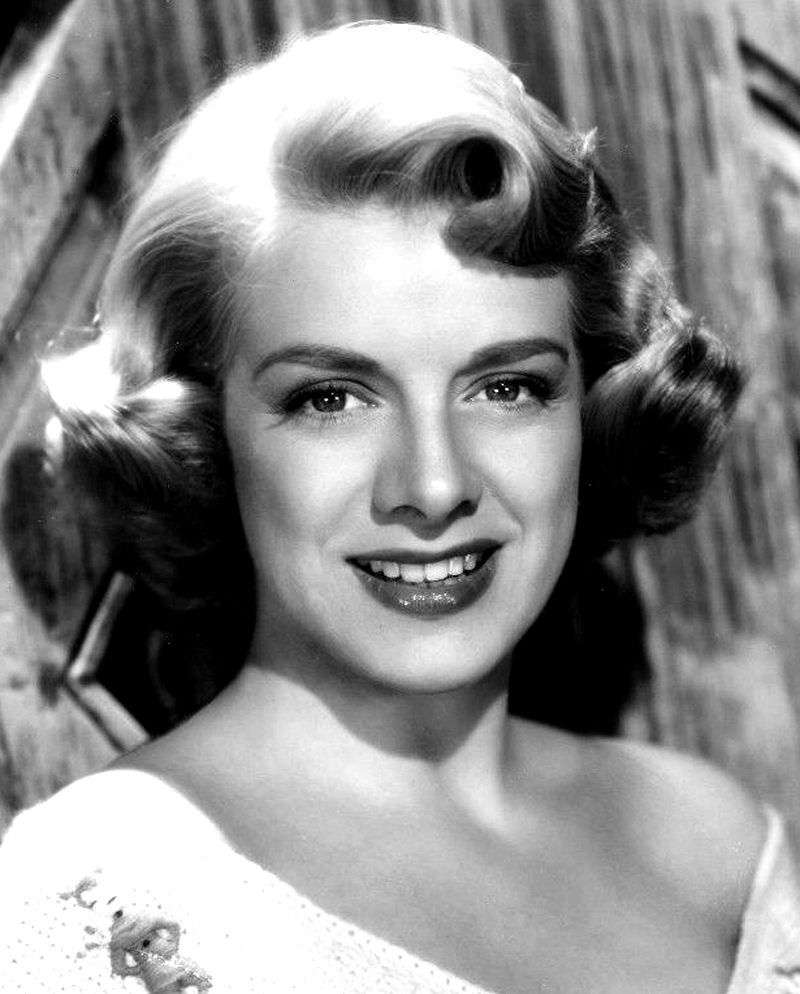
What can you not like about music? And that's why there were pop songs on the radio, which transverse from the big screen onto radio shows, where you were getting cronists, as they used to call them, like Frank Sinatra, Rosemary Clooney, and all those, you know, those lovely people that were singing those happy-time pop songs.

So, you know, there are segments of people's lives going through a particular type of music, which actually leads you to something else.
The rest of this transcript — segmented and speaker-labeled, so you land on the exact moment something was said
Search every transcript — by keyword, by phrase, or by meaning, across every show Radar indexes
Trends — what is surging across podcasts, measured against its own baseline
Alerts — when a name you follow appears in a newly indexed episode
No account is needed to search Radar.