The Quantum Based Podcast - With Dr Sara Pugh
#30 The Surprising Science of Light, Ageing & Inflammation. Dr Glen Jeffery Part 2
Jul 27, 2026 · 53 min · 11 segments
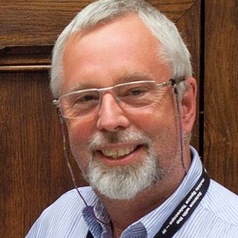
Professor Glen Jeffery returns for Part 2 of our discussion on the science of light and human health. We explore how infrared and red light influence mitochondrial function, blood glucose regulation…
Professor Glen Jeffery returns for Part 2 of our discussion on the science of light and human health. We explore how infrared and red light influence mitochondrial function, blood glucose regulation, systemic inflammation, ageing and recovery. Glen also discusses his latest research on circulating microvesicles, explains why modern LED lighting differs from natural sunlight, and shares practical ways to improve the light environment at home, at work and in hospitals. We also answer viewer questions about red light masks, incandescent bulbs, insulin and blue-blocking glasses. Glen's Pagehttps://profiles.ucl.ac.uk/7465-glen-jeffery Retreats In France 2026 — Learn More & Download The Brochures 👇👇 https://busysuperhuman.com/retreats-events/ To book on a retreat or ask questions, book a 30 min Zoom call 👉 https://calendly.com/sara-pugh/enquiry-call-to-retreat Sponsored by Litewater Scientific Deuterium Depleted Water, Deuterium tests, Hydrogen Water Bottles, Quinton Minerals, Hydrogen Tablets Click The Link Below For 10 %OFF https://bit.ly/4aN9zdI Or Use Code: DRSARA https://www.drinklitewater.com/ New Content 🌞 Quantum Starter Kit - 50 Slides - 5 Videos 👇👇👇 https://courses.busysuperhuman.com/the-quantum-starter-kit 🍚 Light, Water, Charge & Sugar eBook - Prevent Insulin Resistance. Download the FREE 20 page PDF 👉 https://get.busysuperhuman.com/quantum-glucose ⚡☀ NEW - FREE Quantum Kickstart 2026 Edition 💦 👉 https://get.busysuperhuman.com/quantum-2026 FREE 10 Step Quantum Kickstart Guide 2025 https://get.busysuperhuman.com/10-step-quantum FREE Leptin 'The Master Hormone' Mini e-Book https://get.busysuperhuman.com/leptin-intro-1 FREE Tiny But Concise Guide To Fasting https://get.busysuperhuman.com/fasting Monthly Coaching Group $29 / month https://get.busysuperhuman.com/quantum-coaching63490130 Axiom Premium Molecular Hydrogen Machines & Hydrogen Tablets — Use Code DRSARA For 10% Off (Up to $500, depending on product) https://axiomh2.com/ref/10/ Quantum Foundations Course + Food & Deuterium Guide WINTER OFFER https://get.busysuperhuman.com/quantum-foundations-1 Dr Sara's Substack https://drsarapugh.substack.com/ Quantum Based Podcast https://sarapugh.podbean.com/ Takeaways - Long wavelength light, including infrared, can significantly lower blood sugar levels. - Changing just a few LED components to include infrared can improve health outcomes. - Infrared light penetrates the body deeply and influences biological processes. - Hospital design is shifting towards outdoor exposure and natural light for healing. - There is a biphasic effect of red light panels — too much energy reduces effectiveness. Chapters 00:00 Introduction and overview of light's impact on health 01:54 Professor Jeffery's background and research focus 04:04 Problems with modern LED lighting and sunlight simulation 05:02 Light's influence on blood sugar and mitochondria 07:02 Practical applications: modifying lighting in work environments 08:48 Blood biomarkers and systemic inflammation 10:58 Infrared light and its role in health and aging 13:03 Emerging research and future directions 15:09 Hospital design and outdoor exposure for patients 16:53 The importance of natural and artificial light in healthcare 19:12 Questions about light exposure, windows, and minimum daylight 20:56 Red light glasses, blue blockers, and their effects 23:06 Science of flicker, light sensitivity, and individual differences 24:53 Specialized light sources: reptile bulbs and infrared devices 29:54 Long-term safety and use of red and near-infrared panels 32:08 Light penetration in different skin types and populations 35:50 Genetic factors and susceptibility to light effects 41:00 Future research and closing remarks Sound bites - "Light affects your metabolism in profound ways." - "Changing a light bulb can lower blood sugar levels." - "Hospital design is shifting towards outdoor exposure." MY LINKTREE: https://zez.am/busysuperhuman INSTAGRAM: https://www.instagram.com/busy\_superhuman/ SUBSTACK: https://drsarapugh.substack.com/ YOUTUBE: www.youtube.com/@Thebusysuperhuman LINKEDIN: https://www.linkedin.com/in/sara-pugh-/ TIKTOK: https://www.tiktok.com/@busysuperhuman WEBSITE: www.busysuperhuman.com DISCLAIMER: This podcast is for entertainment purposes only and does not constitute medical advice. Please consult your healthcare provider before making any medical decisions. Views expressed by guests are their own and do not necessarily reflect those of the host.
Professor Glen Jeffery returns for Part 2 of our discussion on the science of light and human health. We explore how infrared and red light influence mitochondrial function, blood glucose regulation…
- Show signals
- Audience≈107k followers