Sep 23, 2026 · 51 min · 14 segments
What would it take to turn promises of lower prescription drug costs into a smaller bill at the pharmacy? Former South Carolina Congressman Joe Cunningham joins Christy and Monica to discuss Big…
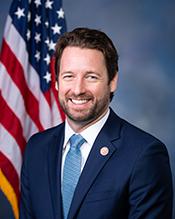
Joe CunninghamGuest
Christy BranhamHost
Monica HealyHost
Let's delve into that a little bit because you already alluded to the most favored nation pricing.


And so under this framework, the U.S. prices would be tied to the lowest price available in what's called Organization for Economic Cooperation and Development, OECD.

Any of those OECD countries with a GDP per capita of at least 60% of the U.S. And so by tying that, it helps ensure that Americans aren't paying more than patients in other comparable countries.

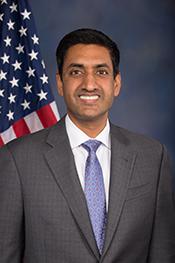
And so if codified in the law, and I mentioned this earlier about the bill that Ro Khanna, my friend from California, introduced as co-sponsoring, if that was codified, that policy would apply to all Americans, not just those on Medicare or Medicaid, but the 80% of the country in the private sector.

There's like an 87% support for international price matching, 81% for patent reform, and 88% for matching drug ad spending rebates.

Yeah, I mean, this is one of those kitchen table issues that is a slam dunk.

If I'm running for office or I'm running for reelection and this poll comes across my desk and shows something, it has just such glaring high positives, that's a campaign issue that I'm going to include in my stump speeches, something that I'm going to run on, particularly if, you know, your opponent is, you know, either take a lot of money from pharmaceutical or has been reluctant to attack them or not sponsored some of these bills that will directly help Americans like the Global Fairness and Drug Pricing Act and a lot of people I know I'm trying to stay focused here, but I'm going to sidestep again.

A lot of people listen to podcasts like this or listen to radio shows or at home think, okay, that's great, but what can I do? And the truth is, if you're sitting there, you're listening and you're wondering, okay, I wonder if my member of Congress is co-sponsoring this bill on the most favored nation.

You pick up the phone, you can email them, ask them if they're co-sponsoring or supporting the Global Fairness and Drug Pricing Act.

I can tell you as a former member, when I flew up to D.C., I get into the office.

One of the first things I did meet my staff, I had a readout of all the emails, all the phone calls that came from within district.

And this kind of helped me keep my finger on the pulse as to what's important to them.

And so if people feel like, well, I don't know if the member actually listens to those phone calls or emails, I can tell you that those things trickle up and they make a difference because it's telling them what the attitude and sentiment is of the constituents.
The rest of this transcript — segmented and speaker-labeled, so you land on the exact moment something was said
Search every transcript — by keyword, by phrase, or by meaning, across every show Radar indexes
Trends — what is surging across podcasts, measured against its own baseline
Alerts — when a name you follow appears in a newly indexed episode
No account is needed to search Radar.