The Ominous Approach of Autonomous Agents, Plus: Richie Furay — Live From the Playroom | Rebroadcast
Jul 30, 2026 · 53 min · 10 segments
What’s the next big thing coming in AI? Autonomous agents, that’s what! Currently, *you* have to drive the process of genAI by honing the iterations of your prompt. But, an autonomous agent can do…
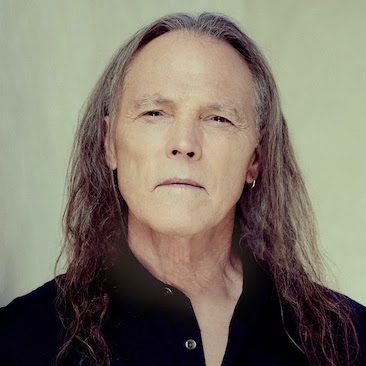
What’s the next big thing coming in AI? Autonomous agents, that’s what! Currently, *you* have to drive the process of genAI by honing the iterations of your prompt. But, an autonomous agent can do that stuff without you worrying your pretty little head, dear lawyer. So, what’s there to know about this latest tech evolution? Jared’s here to talk about attorney use cases and whether this tech may be used for good or ill. Later, the AI apocalypse isn’t upon us yet, so let’s enjoy some awesome music. Jared welcomes Rock and Roll Hall of Famer Richie Furay who, among other accomplishments, was a member of the great American bands Buffalo Springfield and Poco. Jared and Richie talk through his history, digging into many colorful moments from his experiences in the music industry. Richie performs live on the podcast, and he and Jared discuss his upcoming documentary. Mentioned in this Episode: Spellbook Associate, effectively acting as a junior associate in a law firm. Spellbook Launches Gen AI Agent that Can Plan and Execute Complex Transactional Workflows | LawSites by Bob Ambrogi LawNext Podcast: Ep 256: All About Spellbook’s New AI Agent, Capable of Performing Complex Legal Tasks, with CEO Scott Stevenson Richie Furay Documentary — Richie Furay Oh, man! I bet you didn’t know how much you were missing Jared’s unique take on culture, legal practice, and whatever else pops into his head. But don’t fret, there’s plenty to go around. Jared’s back with a new \*\*WEEKLY\** show, Legal Late Night, available not only on your favorite podcast app, but in living color on your neighborhood YouTubes. That’s right, Jared’s more than just a pretty voice. Join him and his guests in high-def 2D through the links below. Subscribe to Legal Late Night with Jared Correia on: Apple - https://podcasts.apple.com/podcast/legal-late-night/id1809201251 Spotify - https://open.spotify.com/show/0Rkik0LLMaU6u0e7AKfK9h Or your favorite podcasting app. And bask in the majesty of our YouTube here: https://www.youtube.com/channel/UCZO71dMbPZJWAKWw\_-qrRRQ
What’s the next big thing coming in AI? Autonomous agents, that’s what! Currently, *you* have to drive the process of genAI by honing the iterations of your prompt. But, an autonomous agent can do…