The Freelance Journalism Podcast
Jun 30, 2026 · 48 min · 9 segments
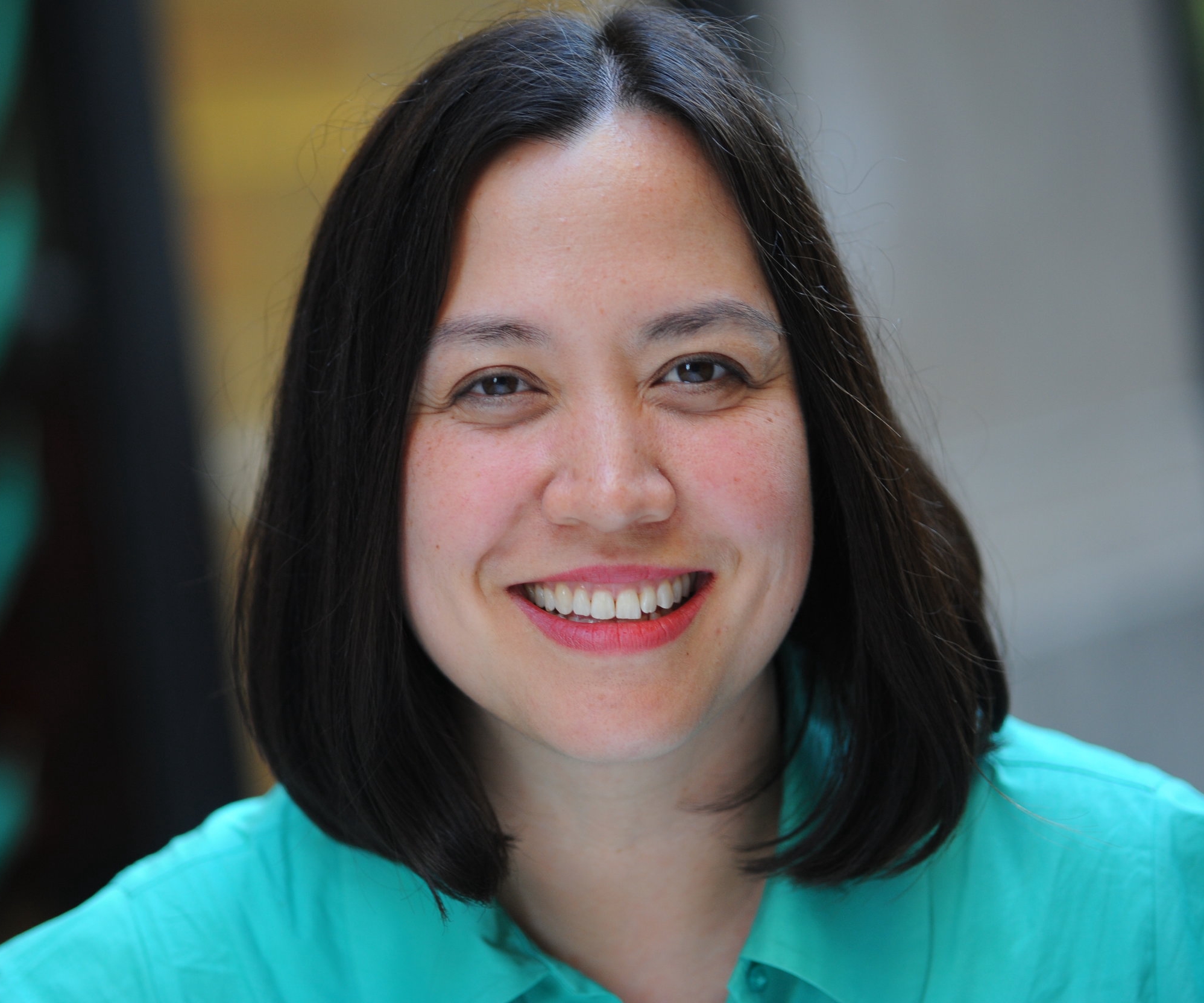
University at Texas professor Anita Varma’s recent book *Solidarity in Journalism: How Ethical Reporting Fights for Social Justice* creates a framework for journalists to center the humanity and…
Anita VarmaGuest
Erika HayasakiHost
Katherine Reynolds-LewisHost
I'm Erica Hayasaki and I'm a member of the Institute for Independent Journalists.

And our mission is the financial and emotional sustainability of freelancers of color.

So we're so glad that you're here and I'm so glad to be here today with Anita Varma, who has a new book.

which is displayed in the backdrop, which I love that, Solidarity in Journalism, How Ethical Reporting Fights for Social Justice.

Anita is the author of this book, but also leads the Solidarity Journalism Initiative at UT Austin, where she's an assistant professor focused on media ethics, Varma defended her PhD at Stanford University in 2018 and received the inaugural Penn State Davis Ethics Award for her dissertation in 2019.

In 2025, she received the International Communication Association Journalism Studies Public Engagement Award in recognition for the public impact of the solidarity journalism framework.

Varma believes journalism can help change the world for the better and believes journalists have the hardest jobs in the world.

I often say, you know, it's the hardest job in the world and it's one of the hardest times ever to do the job, but also one of the most important times ever to do this work.

I teach journalism at UC Irvine, and I love that you have developed this framework for your students and for other journalism, for freelancers, and now have this book to help us understand the different ways to approach journalism, because I think coming up in journalism school is I was taught like one way and that still bleeds over sometimes into, you know, today's newsrooms, but the world is changing and we have more innovative ways to approach journalism when one of them is solidarity journalism.

So can you tell us actually before we get into the framework and your book, tell us about your journey into journalism.

My journey into journalism actually began before I can remember, which probably sounds a little bit funny.

But my grandfather came to the U.S. when my older brother was born, and he was an avid newsreader.

So I wasn't even born yet, but our house was filled with newspapers, news weeklies, news magazines.

And so I remember so clearly my grandfather would subscribe to India Today, India Abroad, and also local news.

We lived in Pittsburgh, Pennsylvania, and at that time there was more local news than there is now, but also national news.
The rest of this transcript — segmented and speaker-labeled, so you land on the exact moment something was said
Search every transcript — by keyword, by phrase, or by meaning, across every show Radar indexes
Trends — what is surging across podcasts, measured against its own baseline
Alerts — when a name you follow appears in a newly indexed episode
No account is needed to search Radar.