The Aliveness Project: Conversations on Connection
The Endless Search for Worth: Dr. Paul Hewitt on Perfectionism, Shame, and True Connection
Sep 9, 2026 · 1 hr 23 min · 11 segments
**Content Warning:** This episode includes references to suicidality and suicide attempts. Please use your discretion when deciding whether or not to listen. **——————** Whether someone proudly…
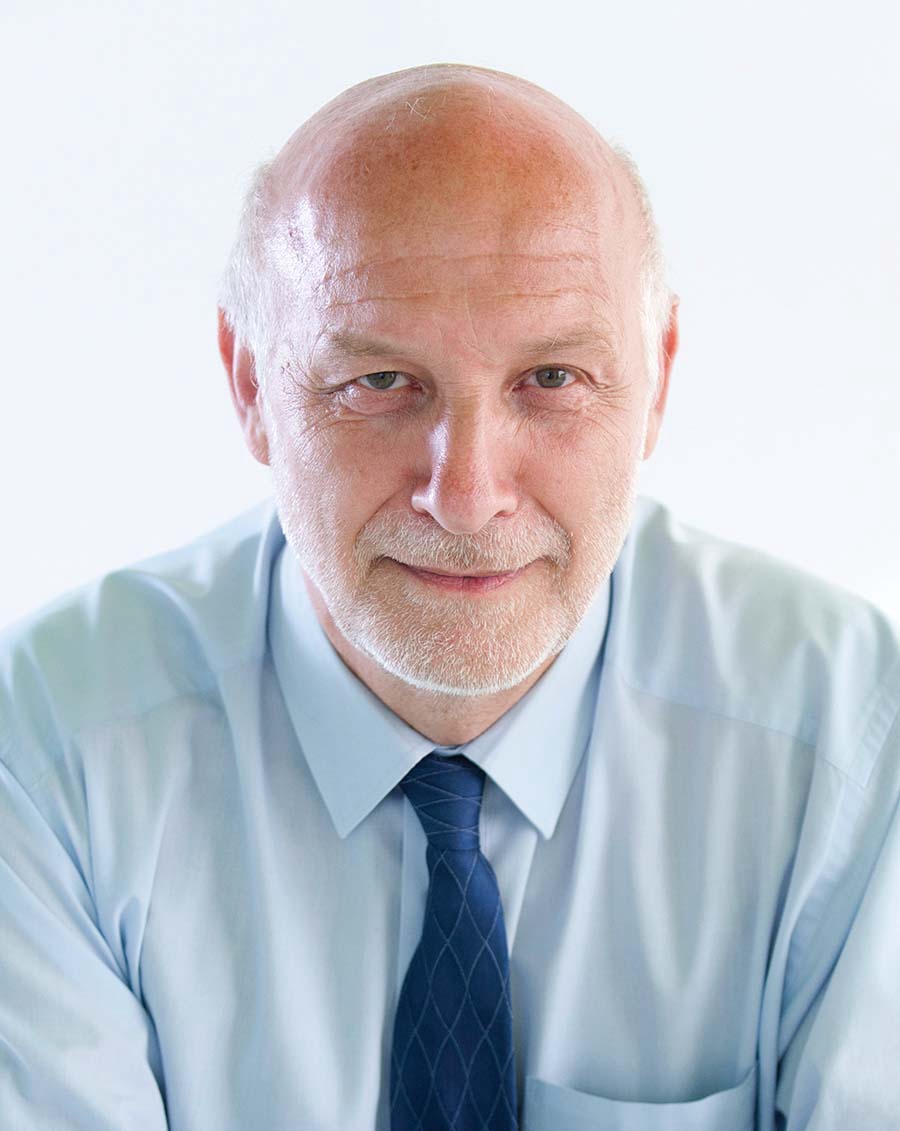
**Content Warning:** This episode includes references to suicidality and suicide attempts. Please use your discretion when deciding whether or not to listen. **——————** Whether someone proudly claims their perfectionism or quietly wrestles with its tyranny, **the drive to get it right** **and to appear effortless while doing so** usually carries a much deeper and more painful story. Beneath the striving, high standards, and relentless pursuit of achievement is something much more harmful: a deeply held belief that who we are is not enough. In this episode of *The Aliveness Project: Conversations on Connection*, conversation host **Iris McAlpin Garrett** sits down with internationally recognized perfectionism researcher and clinical psychologist **Dr. Paul Hewitt** and NARM founder **Dr. Laurence Heller** to look beneath the behaviors we typically associate with perfectionism and to explore what’s really driving them. Together they examine how perfectionism often develops as an attempt to secure love, belonging, safety, and a sense of worth; why achievement and external validation so often fail to deliver what perfectionists hope they will; and how the same strategies used to create connection with others ultimately drive further disconnection, pain, and heartbreak. They also discuss the grief that comes with relinquishing the fantasy of perfection, the role of agency in the therapeutic process, and how perfectionism can show up in clients and therapists alike. We hope you'll join us for a conversation about what it means to begin releasing one's self from these deeply held patterns, and how therapy, curiosity, and even heartbreak itself can help perfectionists begin to heal the original heartbreak that drove their perfectionism in the first place. —————— Are you interested in learning more about NARM's approach to perfectionism? You can learn more in the on-demand webinar Perfectionism and Developmental Trauma. 🎧 *The Aliveness Project: Conversations on Connection* is created and produced by the NARM Training Institute. 🎬 Post-production, editing, and audio mixing/mastering by Tim Skipper (IG: @timmyskip). **——————** **About Paul Hewitt**: Dr. Paul L. Hewitt is a Professor of Psychology and of Psychotherapy at the University of British Columbia and a Registered Clinical Psychologist in British Columbia. Internationally recognized for his research and clinical work on perfectionism, Dr. Hewitt has spent decades studying how perfectionism develops in relationships and contributes to psychological distress, relational difficulties, and struggles with achievement and self-worth. He is the author of numerous influential publications, including *Perfectionism: A Relational Approach to Conceptualization, Assessment, and Treatment*, which integrates decades of research with clinical application. He lives and works in Vancouver, where he continues to teach, conduct research, and maintain a clinical practice. You can find Paul at his lab at the University of British Columbia at hewittlab.psych.ubc.ca/people/dr-paul-hewitt/ **——————** **About Laurence Heller**: Laurence Heller, PhD, is the creator of the NeuroAffective Relational Model® (NARM®), founder of the NARM Training Institute, international trainer, and co-author of *Healing Developmental Trauma: How Early Trauma Affects Self-Regulation, Self-Image and the Capacity for Relationship*, now published in fifteen different languages. Dr. Heller has a PhD in clinical psychology and has conducted NARM trainings and case consultations for thousands of therapists throughout the United States and Europe. He is the co-author of the new book *Healing Shame and Guilt*, available now wherever books are sold. You can find Larry and the NARM Training Institute at narmtraining.com, drlaurenceheller.com, or on social media… LinkedIn: NARM Training Institute IG: @narmtraininginstitute FB: NARM Training YouTube: @narmtraininginstitute **——————** **Special Thanks** To the NARM Training Institute team—Lindsey Smith, Olga Piontkowski, Emily Scott, and Tue Kjær—for invaluable production support, and to Tim Skipper for his outstanding post-production, editing, and creative work.
**Content Warning:** This episode includes references to suicidality and suicide attempts. Please use your discretion when deciding whether or not to listen. **——————** Whether someone proudly…