Nov 18, 2026 · 45 min · 13 segments
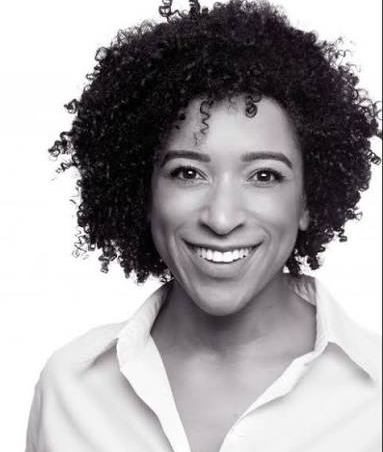
On the eighth episode of the Oasis Podcast, we welcome Dr. Sanam Vakil, the Director of the Middle East and North Africa Programme at Chatham House. Sanam's expertise spans Iranian and Gulf politics…
Dave DeRocheHost
So as you know, in March, a very rushed and somewhat opaque process selected a new supreme leader.

There's no objective proof that he actually is alive or lives, but there are pronouncements coming out in his name.

Does the new Supreme Leader have a different policy objective? Is there a different strategic focus from before? Will he make a difference, or is he sort of not fully independent from the IRGC and the other people running the Iranian government?
Yeah, I think that's a very interesting and important question that, you know, many of us are wondering about.
It's still very early days in the tenure of Moshe Bachmanei, who might appear to have inherited his position because he was not expected by many, myself included, to be a natural candidate to be supreme leader.
but he was selected in the aftermath of his father's death because the system was looking to send a message, preserve the Khomeini legacy, if you will.
And it's a signal, I think above all, that despite the enormous military pressure that the regime was under, it showcased continuity in, in, the functioning of the system and that succession would remain out of the hands of external forces and fully in the command of the existing establishment.
But, you know, the speculation regarding Khamenei's whereabouts, I think, is, of course, legitimate.
He, um, as everyone knows, was injured in, um, the bombing that also killed his father and, and many of his family members.
43 min left
Up next · 7:37
Factionalism is described as a longstanding and inherent feature of Iranian politics. Despite internal disagreements, the regime tends to unite when its survival is threatened. Conservatives include pragmatic, security-minded, and principalist factions. Reformists favor using Iran's leverage to negotiate relief and address domestic economic pressures. Vakil compares Iran's visible factional negotiations to the pluralism of the American political system.
+3 more sections
Search every transcript — find any word, phrase or idea across every show Radar covers
Trends — see what podcasts are suddenly talking about
Alerts — get an email when a brand or person you follow is mentioned
Reports — turn mentions into a PDF report you can share