Jewish Insights with Justin Pines
Aug 19, 2026 · 58 min · 13 segments
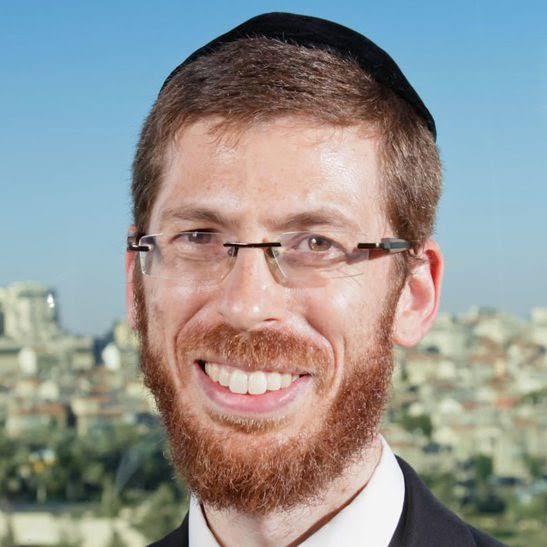
After October 7, Rabbi Yehoshua Pfeffer did something almost no Haredi rabbi has done: he put on a uniform. A community rabbi, he completed IDF basic training alongside soldiers half his age, served…
Yehoshua PfefferGuestJustin PinesHostSo what you're saying is, you know, as we move through life, Hashem can speak to us through feedback mechanisms and the things that we're going through.
So, for example, to give a different example, let's say our health, for example, right? So there could be moments where, not that we're putting aside medicine, but there could be moments where you're getting feedback through the way your body feels or something like that, and then you are forced to notice, why is this going on for me? Why am I having this challenge, that kind of thing? And one of the core areas that we have an opportunity to be in conversation with God and to hear from God is through our work, our parnasa.
And by not having those moments where you get an unexpected challenge and you're forced to have trust in God or something goes super well and you have to see if you remember to thank God before the next one where you mess up again, that's a whole area where you can have dialogue and you're losing that area of dialogue.

Yes, absolutely, and in a commonsensical way, meaning it wasn't, well, you're having trouble in your marriage, or you're having trouble at work, and therefore, well, what do you need to do? Clearly, you need to, I don't know, stop speaking Lashon Hara, or be more modest in your ways and in your experiences.

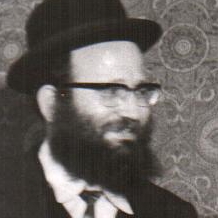
He was very down to earth, and that was something also that was so appealing to me.

Even his ethical teachings were very real, meaning they were grounded, and his Torah reflected that.

It was relevant for me, and that was something which was, again, You don't find that everywhere.
So for someone who's trying to understand, what would then be a practical example or a more grounded example of something happening in your work life that would be God speaking to you?

So it could be, for example, you enter a... you do a degree, okay? Because the way of getting into the vocational world is by doing a degree.

However, having done a degree in a certain, you know, you do a law degree, I happened to do that, I did a law degree.

But having done a law degree, does that mean you need to be locked in to the legal profession? Not necessarily, meaning you could, try that and see that it's too overwhelming or it's creating a sense of friction.

It's taking over your life because you're occupied with these struggles and these fights and litigation and whatever it is.

And then you have to be aware that no, you have to step back and think about Where's that guidance taking you? You have a degree, what else can you do with it? Meaning to be open to these kinds of triggers, signals.
So what you're saying is, you know, as we move through life, Hashem can speak to us through feedback mechanisms and the things that we're going through.
So, for example, to give a different example, let's say our health, for example, right? So there could be moments where, not that we're putting aside medicine, but there could be moments where you're getting feedback through the way your body feels or something like that, and then you are forced to notice, why is this going on for me? Why am I having this challenge, that kind of thing? And one of the core areas that we have an opportunity to be in conversation with God and to hear from God is through our work, our parnasa.
And by not having those moments where you get an unexpected challenge and you're forced to have trust in God or something goes super well and you have to see if you remember to thank God before the next one where you mess up again, that's a whole area where you can have dialogue and you're losing that area of dialogue.

Yes, absolutely, and in a commonsensical way, meaning it wasn't, well, you're having trouble in your marriage, or you're having trouble at work, and therefore, well, what do you need to do? Clearly, you need to, I don't know, stop speaking Lashon Hara, or be more modest in your ways and in your experiences.

He was very down to earth, and that was something also that was so appealing to me.

Even his ethical teachings were very real, meaning they were grounded, and his Torah reflected that.

It was relevant for me, and that was something which was, again, You don't find that everywhere.
So for someone who's trying to understand, what would then be a practical example or a more grounded example of something happening in your work life that would be God speaking to you?

So it could be, for example, you enter a... you do a degree, okay? Because the way of getting into the vocational world is by doing a degree.

However, having done a degree in a certain, you know, you do a law degree, I happened to do that, I did a law degree.

But having done a law degree, does that mean you need to be locked in to the legal profession? Not necessarily, meaning you could, try that and see that it's too overwhelming or it's creating a sense of friction.

It's taking over your life because you're occupied with these struggles and these fights and litigation and whatever it is.

And then you have to be aware that no, you have to step back and think about Where's that guidance taking you? You have a degree, what else can you do with it? Meaning to be open to these kinds of triggers, signals.
The rest of this transcript — segmented and speaker-labeled, so you land on the exact moment something was said
Search every transcript — by keyword, by phrase, or by meaning, across every show Radar indexes
Trends — what is surging across podcasts, measured against its own baseline
Alerts — when a name you follow appears in a newly indexed episode
No account is needed to search Radar.