Interviews with Leaders in Fintech & Web3
Aug 3, 2026 · 49 min · 10 segments
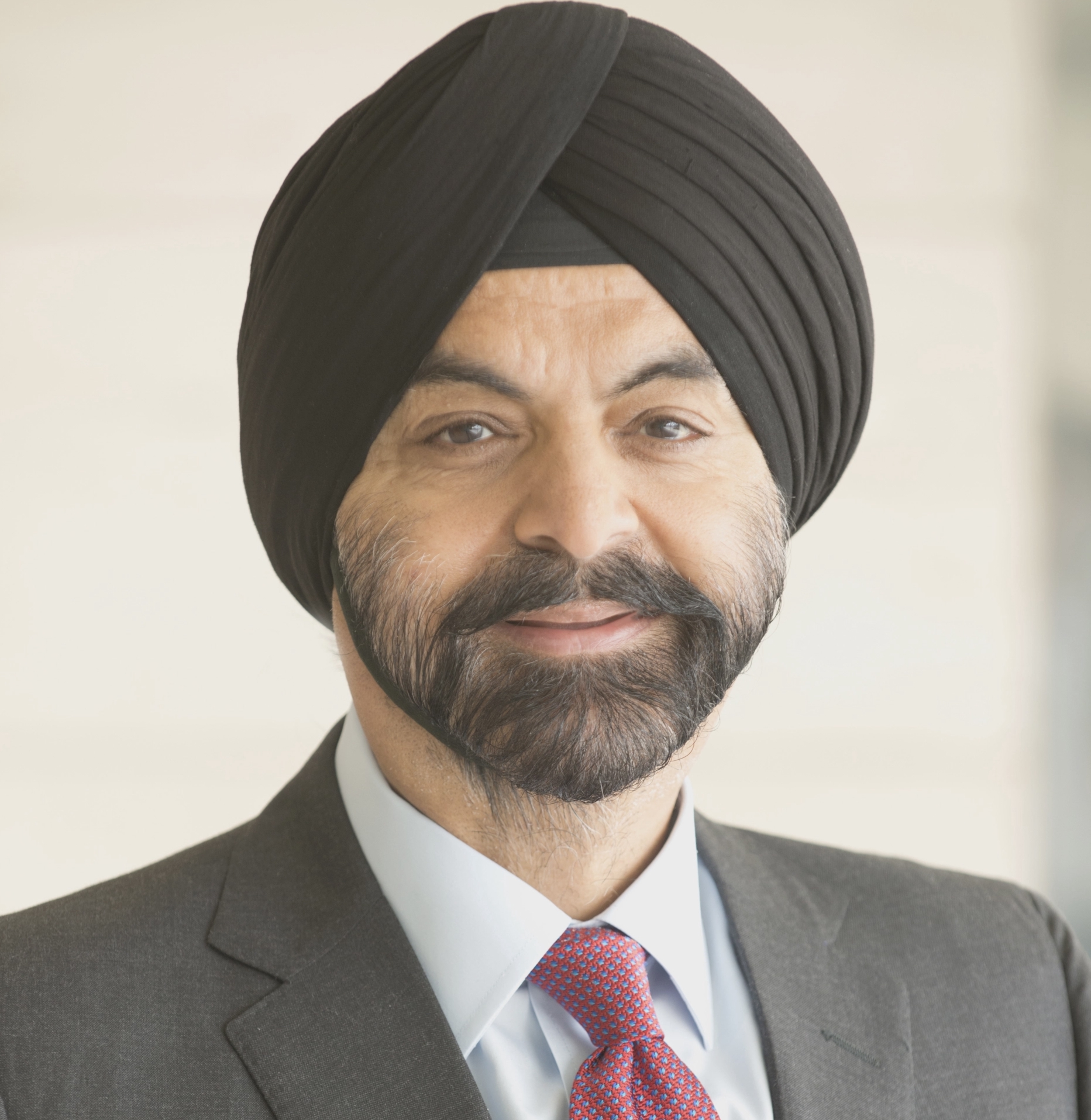
Carlos Menendez was born in Puerto Rico, the oldest of five children of Cuban immigrants who left the island with nothing. The family settled in Miami in the 1970s, where money was tight and both…
Carlos MenendezGuest
Matthew CheungHost
How have you seen that change in your career? Because I remember in my first business, I had US clients, they used to pay me with a check, and I had to go into a UK bank depositing all these funny colored checks that don't look like UK checks, and they take like a month to clear, and that was only like 20, 20 years ago or so.

How, how has that changed in your career, and what's, what's the pace of that look like now?

I remember running my hands across checks 'cause you could also feel for fraudulent checks just based on the, uh, [laughs] on the ridging, uh, back when I worked at, at, at Citibank.

I mean, you know, there's been the rise of global banks, global payment banks, the stablecoin.

The movement of money is a lot, lot faster than it was in the past and is, and is poised, uh, to get, to get, uh, even faster.

Uh, you know, digital payments is just, is just the core of, of behavior today.

You know, one of the interesting thing about payments is that it's gen- generational behavior, and it's very hard to shift that generational behavior.

So the older generation tends to pay in cash or checks, and then you get, you know, my generation, which tends to be more credit, and then the next one, which tends to be more debit, and then the next one, which tends to be more phone and sort of P2P based.

So by looking at sort of, of, of where, how the younger people are paying, you can sort of extrapolate for the next twenty or thirty years is that how on average they will, they will still remain, still remain paying.

So if you see very young people starting to pay with st- stables, uh, which we don't see quite yet on the consumer side, uh, but it might come then, uh, you can, you know, project out twenty to thirty years, that'll be the, the standard method.

Contactless, I believe, started in the late nineties, so you know, takes a bit.

What, what other types of interfaces or transaction, you know, kind of applications you or services do you see then going out further forward? Because if you looked over in Asia, there was loads of like QR codes at one point.

You know, in even in the States, like contactless took quite a while to come over there.

What, what do you see then as the, the looking further out, what, what do they, what does that look like? You know, what other interfaces and means of doing payments and, uh, people transacting with things do you see? 'Cause that's quite an interesting comment about, you know, different generations use different ways.

Like, you know, my, my father and my father-in-law still carry around cash, whereas I rarely carry around cash unless, you know, someone, that's the only way you can transact with them.

And, and you try to avoid carrying it because it's just clunky, and you, you don't wanna do it.

So, so what, what kind of ways are there do you, do you foresee or things that you're keeping your eye on?

A- and, um, you know, because in most markets there's not a lot of financial literacy and financial education, people develop a way to pay that allows them to control, uh, and not overspend, and then they tend to keep it.

How have you seen that change in your career? Because I remember in my first business, I had US clients, they used to pay me with a check, and I had to go into a UK bank depositing all these funny colored checks that don't look like UK checks, and they take like a month to clear, and that was only like 20, 20 years ago or so.

How, how has that changed in your career, and what's, what's the pace of that look like now?

I remember running my hands across checks 'cause you could also feel for fraudulent checks just based on the, uh, [laughs] on the ridging, uh, back when I worked at, at, at Citibank.

I mean, you know, there's been the rise of global banks, global payment banks, the stablecoin.

The movement of money is a lot, lot faster than it was in the past and is, and is poised, uh, to get, to get, uh, even faster.

Uh, you know, digital payments is just, is just the core of, of behavior today.

You know, one of the interesting thing about payments is that it's gen- generational behavior, and it's very hard to shift that generational behavior.

So the older generation tends to pay in cash or checks, and then you get, you know, my generation, which tends to be more credit, and then the next one, which tends to be more debit, and then the next one, which tends to be more phone and sort of P2P based.

So by looking at sort of, of, of where, how the younger people are paying, you can sort of extrapolate for the next twenty or thirty years is that how on average they will, they will still remain, still remain paying.

So if you see very young people starting to pay with st- stables, uh, which we don't see quite yet on the consumer side, uh, but it might come then, uh, you can, you know, project out twenty to thirty years, that'll be the, the standard method.

Contactless, I believe, started in the late nineties, so you know, takes a bit.

What, what other types of interfaces or transaction, you know, kind of applications you or services do you see then going out further forward? Because if you looked over in Asia, there was loads of like QR codes at one point.

You know, in even in the States, like contactless took quite a while to come over there.

What, what do you see then as the, the looking further out, what, what do they, what does that look like? You know, what other interfaces and means of doing payments and, uh, people transacting with things do you see? 'Cause that's quite an interesting comment about, you know, different generations use different ways.

Like, you know, my, my father and my father-in-law still carry around cash, whereas I rarely carry around cash unless, you know, someone, that's the only way you can transact with them.

And, and you try to avoid carrying it because it's just clunky, and you, you don't wanna do it.

So, so what, what kind of ways are there do you, do you foresee or things that you're keeping your eye on?

A- and, um, you know, because in most markets there's not a lot of financial literacy and financial education, people develop a way to pay that allows them to control, uh, and not overspend, and then they tend to keep it.
The rest of this transcript — segmented and speaker-labeled, so you land on the exact moment something was said
Search every transcript — by keyword, by phrase, or by meaning, across every show Radar indexes
Trends — what is surging across podcasts, measured against its own baseline
Alerts — when a name you follow appears in a newly indexed episode
No account is needed to search Radar.