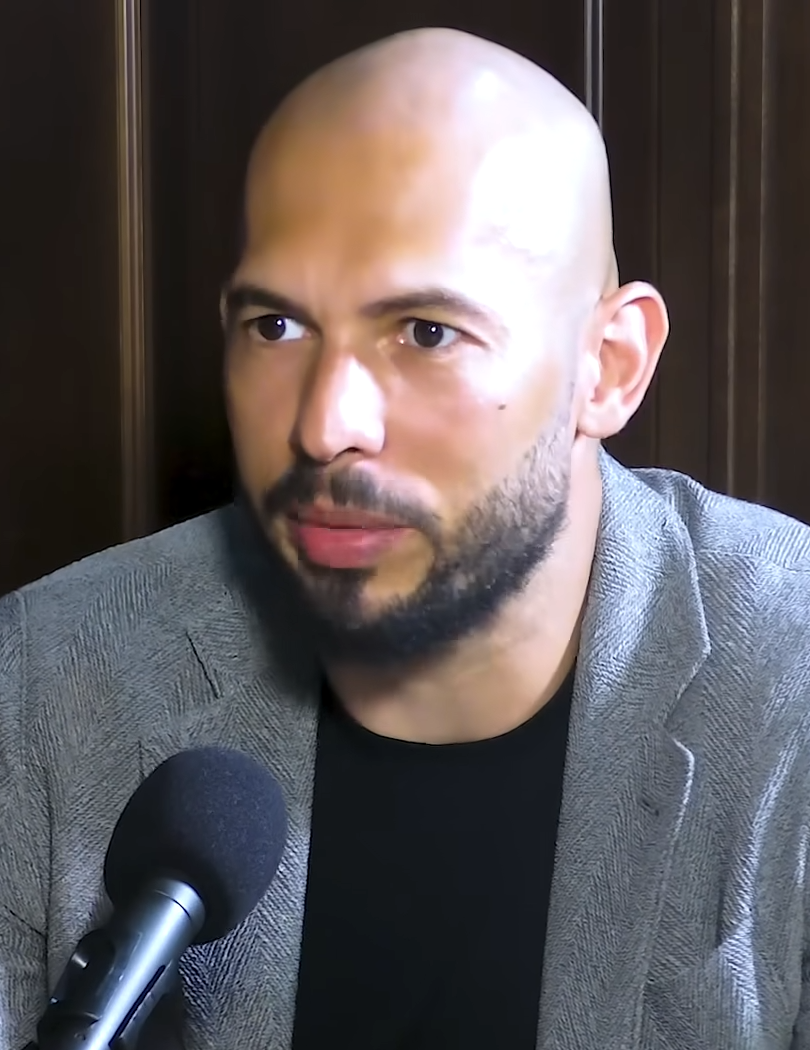
#6 Naudi Aguilar | Why Modern Training Is Destroying Your Biomechanics
Jun 20, 2026 · 1 hr 53 min · 10 segments
In this episode, we sit down with Naudi Aguilar, founder of Functional Patterns, to break down one of the most overlooked conversations in health, fitness, and athletic performance: human…
In this episode, we sit down with Naudi Aguilar, founder of Functional Patterns, to break down one of the most overlooked conversations in health, fitness, and athletic performance: human biomechanics. Naudi explains why so many people are training harder but moving worse, how modern fitness methods can create dysfunction in the body, and why pain, injuries, poor posture, and performance issues often trace back to broken movement patterns. We dive into the role of fascia, posture, gait, sports injuries, strength training, stretching, and the way the human body is actually designed to move. Naudi shares his perspective on why traditional training can reinforce bad mechanics, how athletes end up injured despite being “strong,” and what it really means to build a body that functions well in real life. This conversation challenges a lot of what the fitness industry teaches about strength, mobility, stretching, and performance. Whether you’re an athlete, coach, trainer, or someone dealing with chronic pain or movement limitations, this interview will make you rethink how the body is supposed to work. Topics covered in this episode: - Why human biomechanics matter more than isolated strength - How modern training may contribute to pain and injury - The connection between fascia, posture, and movement - Why athletes get injured from a biomechanics perspective - What Functional Patterns teaches about real-world movement - Why stretching and traditional mobility work may not be the answer - How gait, posture, and rotational movement affect performance - What most people misunderstand about “functional” training Subscribe for more conversations on health, performance, movement, longevity, and the future of human optimization. \------- Check Out Naudi's links: → Websites: https://functionalpatterns.com/ → Try The Functional Patterns 10-Week Course: https://functionalpatterns.com/products/the-10-week-online-program → YouTube: https://www.youtube.com/@functionalpatterns → Funcitonal Patterns Official Instagram: https://www.instagram.com/functionalpatterns/ → Naudi's Instagram: https://www.instagram.com/theleverking/ —————— SPONSORS Check out high quality red light therapy devices from EMRtek : https://www.emr-tek.com/discount/DRADIO10 (Use Code RMB20 for 35% off)Stay grounded with Rhizal Shoes: https://rhizal.co/ (use Code DRADIO for 10% off) Get The First Blue Light Free Computer at: https://buy.daylightcomputer.com/RMB50 Protect Your Home With EMF Safe: https://liveemfsafe.com/ (get 10% off all products with code “DRadio10”) Support under-funded research + learn to mitigate EMF’s In My NEW EMF-101 Course: decentralizedhealth.io (Use KRUSE10 at checkout) Ancient Health and Healing Skin Care:https://ancient-healings.com/?ref=copulbsw (Code DRADIO10 for 10 off) Our Favorite Light Devices from Get Chroma : RMB10 for 10% off https://getchroma.co/ —————— Email us at holisticdynastypod@gmail.com for any feedback, guest recommendations, partnerships and anything else! You can find Chris at: https://shieldofhealth.com/ Join Ryan’s Newsletter: https://ryanmitchelbrown.substack.com/dc6b589f Reach out to Ryan at: https://cal.com/team/shield-of-health-llc You can find Chris and Ryan on social media below: IG- @TheMitoPapi, @ryanmitchelbrown Twitter- @Mitopapi, & @Seasonal\_Ryan Thanks for tuning in!
In this episode, we sit down with Naudi Aguilar, founder of Functional Patterns, to break down one of the most overlooked conversations in health, fitness, and athletic performance: human…
- Show signals
- SuitabilityLimited