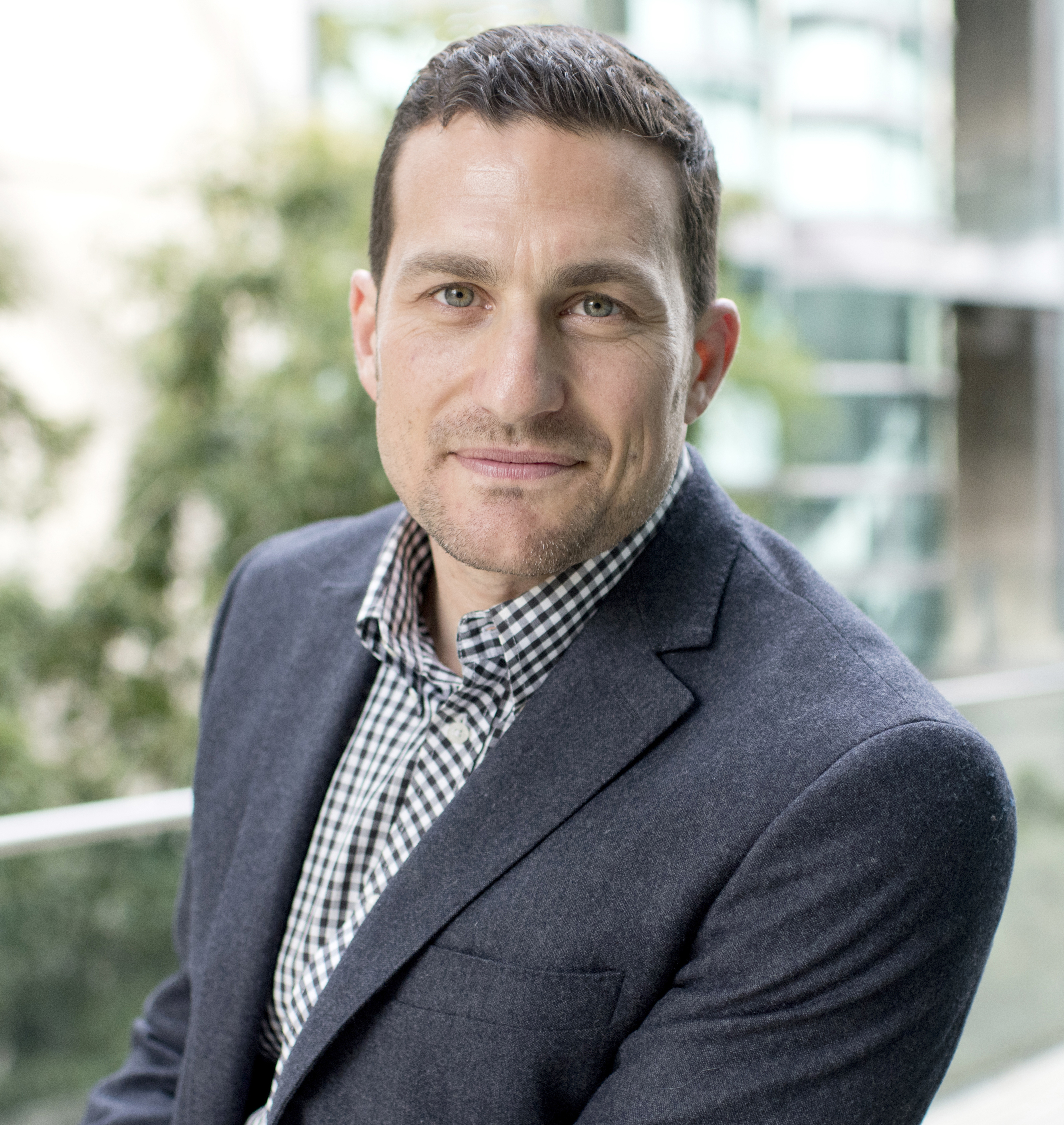
Andrew Huberman
American neuroscientistWikipedia
729
MENTIONS
521
EPISODES
416
PODCASTS
Search complete. 729 mentions across 521 episodes found for "Andrew Huberman".
Nov 6, 2026

Jack KruseGUEST
I think you're already seeing that.
Jack KruseGUEST
I tried to make this case when I did the Rick Rubin, Andrew Huberman podcast.
Jack KruseGUEST
I think Bitcoiners, the early Bitcoiners, I'm talking from the genesis to where we are right now, we're the early mammals after the asteroid.
Jack KruseGUEST
We've already figured out actually how our lives should be lived.

speaker_1GUEST
I mean, there's too much to count, but really basic things that someone could start doing to construct habits that could lead to better things.
speaker_1GUEST
So it would be if someone's just hearing of Andrew Huberman, it'd be better to to really dive into his content.
speaker_1GUEST
But
Chris WilliamsonHOST
what have you applied? You've applied you've applied the morning walk before coffee, sunlight in the eyes.

George MackGUEST
We were chatting about Marek Health.
George MackGUEST
This isn't a plug, but obviously your testosterone numbers going through the roof and the Huberman meme, people chatting about optimisation.
George MackGUEST
I guess they do have Derek running it, but still riding that meme movement.
Chris WilliamsonHOST
Yeah.

Chip ConleyHOST
They're all within three or four years of 50 years old.
Chip ConleyHOST
Brian Johnson, Dave Asprey, Peter Attia, Andrew Huberman, who's the one I'm forgetting? There's one other...
Chip ConleyHOST
They're all that age.
Chip ConleyHOST
So what is it about social science versus physical science when it comes to longevity? What are some things that you think we should know as midlifers that relate to both the physical science and the social science side of what would actually increase our vitality and help us to live a longer, healthier life?

SamGUEST
So the diaphragm, through this effect, is creating support for the spine.
SamGUEST
It's also, depending on how we're breathing, Huberman popularized the idea that our eyes and our breath are the two fastest ways to actually affect or influence our nervous system.
SamGUEST
um by the way that we're breathing we can begin to regulate our nervous system and our tone the diaphragm hugs happens to be in the deep frontal line which is uh one of the major hubs of the myofascial chains that we're seeing everywhere now right in this in this new fascial awareness that's happening we're realizing that the diaphragm is actually a key piece in one of the central columns of this tensegrity structure that's happening Um, So diaphragm's regulating the nervous system.
SamGUEST
It's organizing pressure, the fluid pressure which supports the spine.

Marc Anthony LongwithGUEST
I mean, things are simple.
Marc Anthony LongwithGUEST
Like Huberman talks about sunlight.
Marc Anthony LongwithGUEST
You know, and you get the Alex Ramosy, shut up, nobody cares, just grind and work.
Marc Anthony LongwithGUEST
But I guarantee you that guy takes care of his body and himself.

Jennifer ProhaskaGUEST
And normal life is not that.
Jennifer ProhaskaGUEST
Andrew Huberman has a great line.
Jennifer ProhaskaGUEST
He says, addiction is the progressive narrowing of the things that bring you pleasure.
Shari JonasHOST
Mm-hmm.

Shelby MilfordHOST
So don't do that.
Shelby MilfordHOST
But it's really great for if you have fitness goals or you want to... become feel more alert throughout your day check out the video I'm going to get to you so that way I don't have to go through all that okay the next thing is morning sunlight I adopted this from Huberman some years ago and I love it because if I this actually getting outside and this will give you so much energy over a period of time if you'll get it that day that you do it the first day that you do it But you'll continue to get it if you have everything else in mind too.
Shelby MilfordHOST
That is going outside in the first hour after you wake up.
Shelby MilfordHOST
I don't care if it's cloudy out.
33 MINS LATER
Shelby MilfordHOST
in your habit forming, moving forward, in your goal setting, in your discipline, right? Your level of discipline, how much you say that you have or how much you think that you have, quote unquote, willpower, if you will.
Shelby MilfordHOST
By doing these little tests for yourself and like pushing through them, you actually create, like I said, more resilience.
Shelby MilfordHOST
Huberman actually talks about this and I did not know.
Shelby MilfordHOST
I always thought that I just played these games with my silly little games with myself and I didn't know that there was much benefit to doing it other than I knew that I was doing a little bit better than I did the time before or something like that.

Joe AdamsHOST
I think that makes total sense.
Devontae TidwellGUEST
Yeah, I think somebody, it might have been, It might've been Ryan Holiday or it might've been Huberman or somebody, but somebody was talking about it and they said, man, they did a, there was a study that was done of people who were on their deathbed, which sounds morbid, but just stick with me.
Devontae TidwellGUEST
Like it was a study that was done and they said the number one regret they had was everything they never tried.
Joe AdamsHOST
Yeah.

Ian GatzkeHOST
And one final thought on this idea of how can we help ourselves to take action on the things that our intuition and subconscious is calling for is, I'm connecting an idea that I picked up a couple years ago.
Ian GatzkeHOST
It's from an Andrew Huberman podcast episode about how to set and achieve goals.
Ian GatzkeHOST
And one of the parts of that podcast episode, he talked about this idea of this study that was done from some university, and they were trying to study the impact of positive visualization, right? Like how effective is positive visualization to achieving your goals? And they talked about they did this research where one group did nothing.
Ian GatzkeHOST
One group did positive visualization and one group did negative visualization, which is like imagining what failure would look like.
511 more episodes mention Andrew Huberman.
Create an account to see the whole feed, search across every transcript, and follow the entities you care about.