Oct 5, 2026 · 50 min · 10 segments
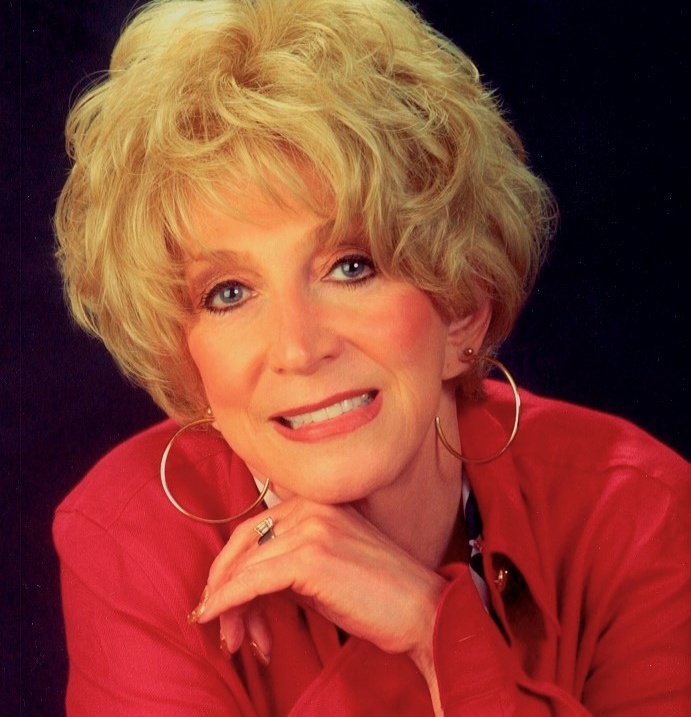
If there is any one individual who was sitting right at the intersection of the music, politics, and culture of the 1970s, it was Dolly Parton. Her appearances on "The Porter Waggoner Show" helped…
So a lot, and I mean a lot, has been written about Dolly Parton, and the longer her career and her life became, the more academic and scholarly this writing became.
And really, how amazing is that? Dolly Parton becoming the subject of scholarly analysis.
I do highly recommend that you check some of it out.
And then even more toward the scholarly end of the spectrum, I recommend the writing of Dr. Tressie McMillan Cottom.
I adore her and her writing.
Also, there is the podcast that came out back in twenty nineteen, I believe it was, Dolly Parton's America.
There are nine excellent episodes there, too, for you to check out.
So we lost Dolly on August twenty-fifth, twenty twenty-sixth, and I do mean lost.
In the wake of her death, even more has been written and discussed about her life and why we all seemed to need to collectively grieve.
Now, I am not here to repeat all of that, but I am here for the same reason that I sat behind this microphone the only other time in the eight-year history of this podcast that I veered from its format to discuss one person.
That person was Olivia Newton-John in twenty twenty-two.
She was so integral to the pop culture of the '70s and early '80s.
She was so much part of the structure of those decades that to remove her would have altered the shape of that era to the point where it would have been unrecognizable.
So my lens for looking back at Dolly is what I know best and what I do best, the '70s, the intersection of the music, politics, and culture of the '70s.
And if there was anybody who was right there at that intersection, it was Dolly Rebecca Parton.
So a lot, and I mean a lot, has been written about Dolly Parton, and the longer her career and her life became, the more academic and scholarly this writing became.
And really, how amazing is that? Dolly Parton becoming the subject of scholarly analysis.
I do highly recommend that you check some of it out.
And then even more toward the scholarly end of the spectrum, I recommend the writing of Dr. Tressie McMillan Cottom.
I adore her and her writing.
Also, there is the podcast that came out back in twenty nineteen, I believe it was, Dolly Parton's America.
There are nine excellent episodes there, too, for you to check out.
So we lost Dolly on August twenty-fifth, twenty twenty-sixth, and I do mean lost.
In the wake of her death, even more has been written and discussed about her life and why we all seemed to need to collectively grieve.
Now, I am not here to repeat all of that, but I am here for the same reason that I sat behind this microphone the only other time in the eight-year history of this podcast that I veered from its format to discuss one person.
That person was Olivia Newton-John in twenty twenty-two.
She was so integral to the pop culture of the '70s and early '80s.
She was so much part of the structure of those decades that to remove her would have altered the shape of that era to the point where it would have been unrecognizable.
So my lens for looking back at Dolly is what I know best and what I do best, the '70s, the intersection of the music, politics, and culture of the '70s.
And if there was anybody who was right there at that intersection, it was Dolly Rebecca Parton.
The rest of this transcript — segmented and speaker-labeled, so you land on the exact moment something was said
Search every transcript — by keyword, by phrase, or by meaning, across every show Radar indexes
Trends — what is surging across podcasts, measured against its own baseline
Alerts — when a name you follow appears in a newly indexed episode
No account is needed to search Radar.