Oct 15, 2026 · 38 min · 11 segments
While not necessarily a household name for those outside of certain music circles, there’s a good chance you know what Nigel Godrich’s work sounds like. As a producer and recording engineer, he’s…
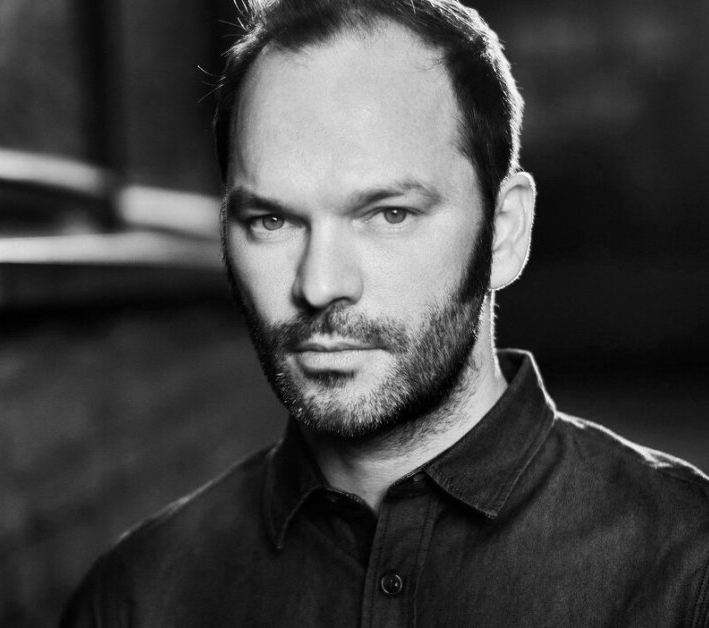
Nigel GodrichGuest
I think my first song is I Am the Walrus by the Beatles, which in a way is a sort of low-hanging fruit in terms of, you know, it's a very famous recording, of course.

But for me, when I was a kid, I discovered the Beatles via my friend who had a cassette that his dad had taped all the seven inches off as like an old cassette.

And I copied it and I had a little cassette machine that I could play it back with.

I didn't have a record player or anything or even, you know, the money to buy records.

But I had, you know, suddenly had all of these amazing little mini operas, the Beatles songs.

And I just remember really being struck by it just because even then I could kind of tell it's something really, really magical about the way it was recorded.

And I sort of much later on read Ken Scott's, who was the engineer on the session, his biography.

And he talks about this, that they recorded the song, the backing track in a day.

If you don't know it, there's a sound of a wireless, as they would call it, being tuned in and out.

And it's like a very poignant kind of moment where you hear this voice speaking.

And he explained that in his book, he explains that this was a complete accident.

And they were just as they were printing the kind of end of day reference mix, this is what happened.

So they had this kind of magic moment recorded that they could never replicate.

So in the final mix, when it was full finished and all the overdubs were done in the final mixing stage, they had to do a tape edit and cut in this old reference mix and somehow pretend it was stereo so they did put a little kind of echo on it to make it sound stereo and um sort of get away with it like that but to someone who didn't know about that or didn't have was not aware of that mistake happy accident all that kind of stuff to me it just sounds like you get halfway through the song and then your brain does a somersault and you're upside down and uh it's just the most crazy incredible kind of mind expanding moment so um it kind of is a real lesson in terms of um when you're making recordings of things first of all that you know you cannot know how somebody is going to receive it at the end of the day you you you know you you um but there's also there's no rules to be broken you just do the the sacrosanct thing is to preserve the magical thing that happened so even if that means it's a technical compromise if you can somehow turn that into something really kind of positive then it's uh very powerful and to me i before i knew that was what had happened i listened to that song from a child onwards when i did have a record player headphones the whole thing and i always just thought it was just this incredible kind of production trick but um that that was so kind of bold and um daring you know so anyway and they and the other things on that on that track are really amazing too just the kind of arrangement of the vocal arrangements um that george martin did with the groups of singers you know doing these crazy noises that are very kind of in keeping with the whole thing and the fact that also you can sort of tell that there's two drum kits they obviously did some bouncing and need a little bit more treble on their drums so they recorded another kit along the same time the whole thing just ends up being this very very kind of weird kind of unique sort of collage somehow and you know not to mention not even beginning to mention the song and the voice and the artistic creativity that went into that part of it you know so as a record as a recording i think i found it quite striking and it's something that i've gone back to many times and just listened and sort of analyzed like a like a crazy person
What's a time you can think of that you embraced a similar happy accident, either as a producer or in your own work, like on the new record?

Well, actually, I would say that the way that I work has always been about happy accidents.

I mean, I think there's a Quincy Jones quote where he says that you have to leave room for God to walk through the room or something like that.

I mean, the thing on the Dragonflies record is all accidents, really, because it's about capturing things that were in the air and turning them into loops and then responding to those accidents and using them as kind of features and things that are building blocks rather than mistakes that you erase, you know.
The rest of this transcript — segmented and speaker-labeled, so you land on the exact moment something was said
Search every transcript — by keyword, by phrase, or by meaning, across every show Radar indexes
Trends — what is surging across podcasts, measured against its own baseline
Alerts — when a name you follow appears in a newly indexed episode
No account is needed to search Radar.