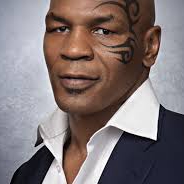
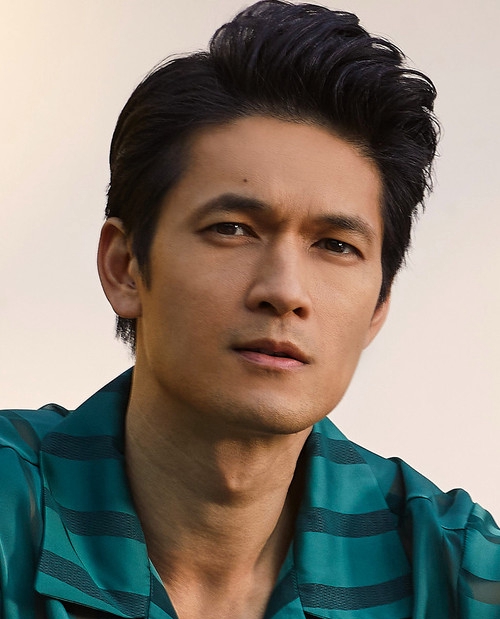
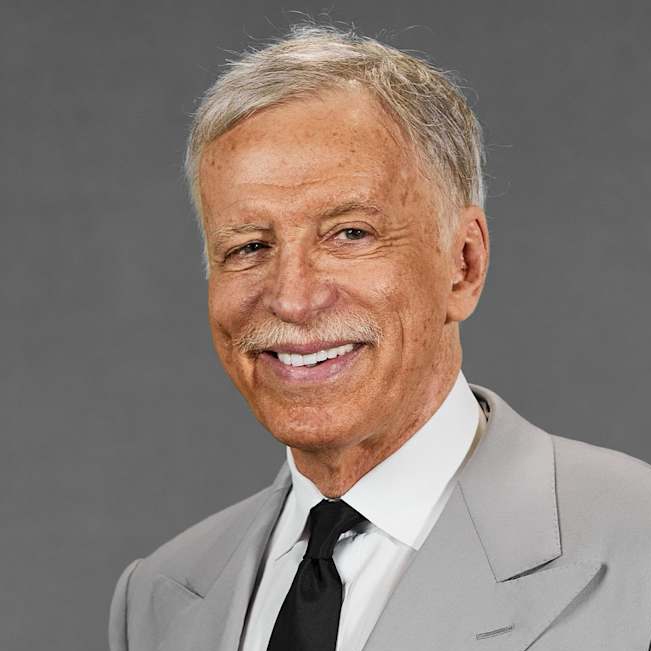
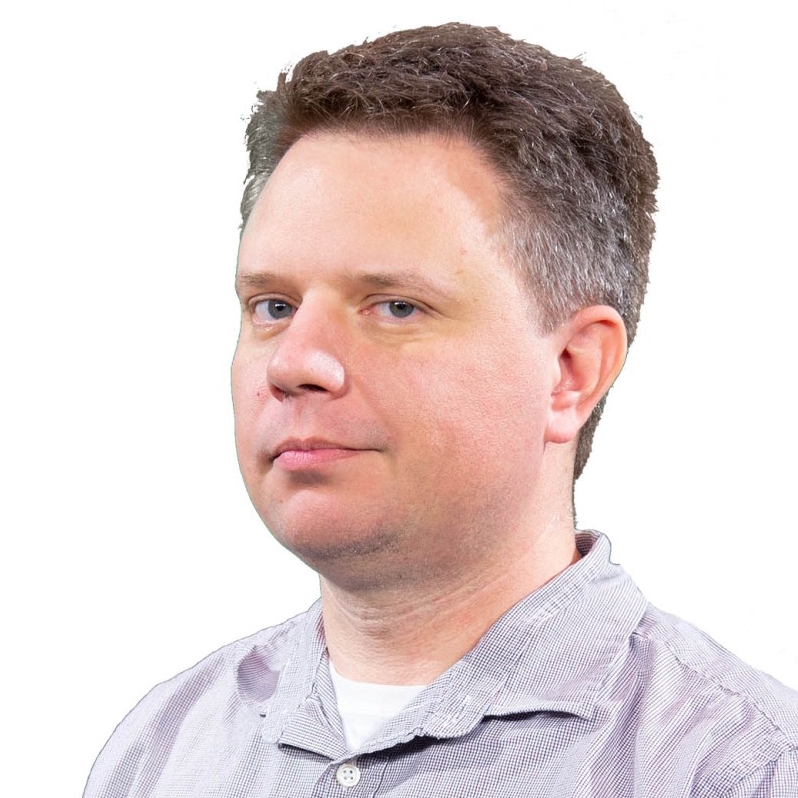
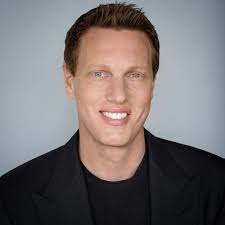
Nick LoPiccoloGuestDukeHostDoes it bother you that So many prominent people want to be associated with you.
They want to do business with you.
They want to be friends with you.
And then you have these nameless, faceless humanoids online who get whipped up into a frenzy because of the fake news wrestling media.
Does it bother you that you have this weird double situation here where the real people... want to be cool with you.
But then you got these other people who they wake up every day trying to rattle you.

And it certainly had a lot of impact in my life personally, professionally over the last year and a half or so.

A lot of these, these faceless accounts, especially on Twitter, they're not people.

I mean, a number of them are, but yeah, We can get into a whole bunch of things today, but a lot of what happened initially was an astroturfing campaign.

If you're not familiar with astroturfing, it is a coordinated reputational attack.

It is something that's become more and more prevalent in the current age of the internet, of social media.

There's a big focus of the Blake Lively, Justin Baldoni lawsuits with both sides.

The New York Times had a feature article, I don't want to say a year and a half ago, saying that, I forget what the title was, but we can buy anything, meaning that there are services that can manipulate algorithms, manipulate social media.

The thing is, those services, what they do, they attempt to get a certain narrative to stick.

It's, it's basically, it's, it's plastering posters like, like, uh, like you would see in New York city or, you know, in your case, Boston or mine, LA, it all over, you know, a couple of blocks of the city, um, or, you know, it's basically spray painting graffiti everywhere.

And then when people pass it, they, they, you know, their awareness, their sort of unaided awareness of who you are, becomes this terrible thing because it's put all over certain sectors of whether it's X or other platforms and extends to Google, extends to whatever else.

The people that exist, especially a dichotomy given with the lanes that I'm in because a lot of my industry, the entertainment industry, Los Angeles has abandoned X after Elon Musk purchased it for political leanings, whatever it might be, or just also because it was in vogue at the time.

Hollywood's pretty much on Instagram, which again, they'll abandon that at some point.

People really don't worry about x in my industry uh they they certainly do in politics they certainly do in sports and real-time conversations and um you know it's it's it it is it is interesting but the the problem the problem i had is when whatever reputational graffiti whatever reputational attack loops were happening on the internet on on twitter which were paid influence campaigns against me Extended offline.
Does it bother you that So many prominent people want to be associated with you.
They want to do business with you.
They want to be friends with you.
And then you have these nameless, faceless humanoids online who get whipped up into a frenzy because of the fake news wrestling media.
Does it bother you that you have this weird double situation here where the real people... want to be cool with you.
But then you got these other people who they wake up every day trying to rattle you.

And it certainly had a lot of impact in my life personally, professionally over the last year and a half or so.

A lot of these, these faceless accounts, especially on Twitter, they're not people.

I mean, a number of them are, but yeah, We can get into a whole bunch of things today, but a lot of what happened initially was an astroturfing campaign.

If you're not familiar with astroturfing, it is a coordinated reputational attack.

It is something that's become more and more prevalent in the current age of the internet, of social media.

There's a big focus of the Blake Lively, Justin Baldoni lawsuits with both sides.

The New York Times had a feature article, I don't want to say a year and a half ago, saying that, I forget what the title was, but we can buy anything, meaning that there are services that can manipulate algorithms, manipulate social media.

The thing is, those services, what they do, they attempt to get a certain narrative to stick.

It's, it's basically, it's, it's plastering posters like, like, uh, like you would see in New York city or, you know, in your case, Boston or mine, LA, it all over, you know, a couple of blocks of the city, um, or, you know, it's basically spray painting graffiti everywhere.

And then when people pass it, they, they, you know, their awareness, their sort of unaided awareness of who you are, becomes this terrible thing because it's put all over certain sectors of whether it's X or other platforms and extends to Google, extends to whatever else.

The people that exist, especially a dichotomy given with the lanes that I'm in because a lot of my industry, the entertainment industry, Los Angeles has abandoned X after Elon Musk purchased it for political leanings, whatever it might be, or just also because it was in vogue at the time.

Hollywood's pretty much on Instagram, which again, they'll abandon that at some point.

People really don't worry about x in my industry uh they they certainly do in politics they certainly do in sports and real-time conversations and um you know it's it's it it is it is interesting but the the problem the problem i had is when whatever reputational graffiti whatever reputational attack loops were happening on the internet on on twitter which were paid influence campaigns against me Extended offline.
The rest of this transcript — segmented and speaker-labeled, so you land on the exact moment something was said
Search every transcript — by keyword, by phrase, or by meaning, across every show Radar indexes
Trends — what is surging across podcasts, measured against its own baseline
Alerts — when a name you follow appears in a newly indexed episode
No account is needed to search Radar.