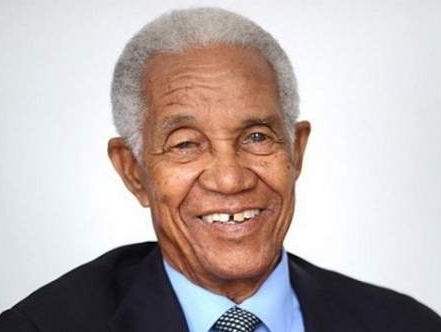
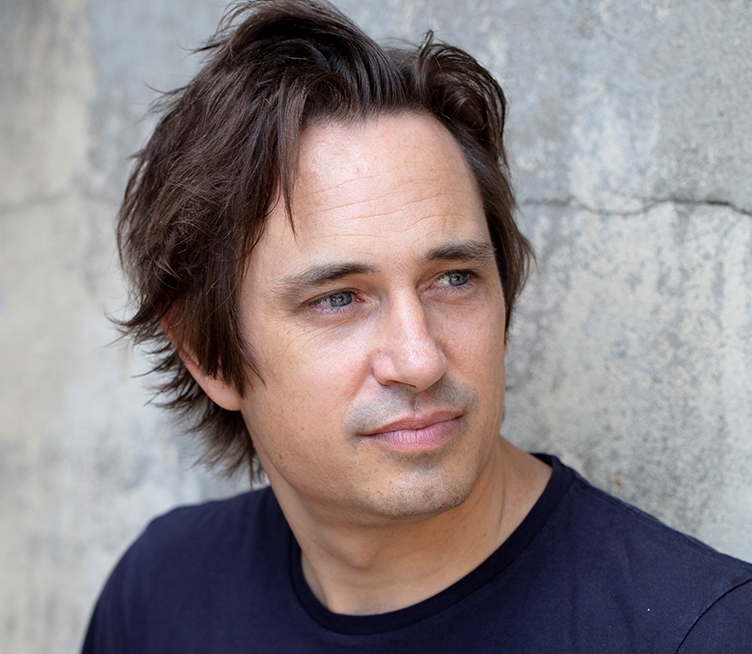
William J. ByrneGuest
Nick WasilievHost
There's a particular off the back of that, A quote from your author description and your byline that kind of jumped out to me.

You talked about your formative years, which you say was, quote, you grew up in a traditional working-class family on one side and a family with systematic disadvantage on the other, unquote.

We'll get into that in a second, of course, but obviously the Warren Bar is very, very much diving into topics around that sort of stuff.

But talk about writing this subject matter, because... translating that to the page dealing with topics like this that's a very very difficult thing to do because you have people who have different experiences in relation to that there are people who have different connections to it some people will look at these particular topics and have different reactions to it some people will be very very personally connected to the events that happen to robbie and moses and everyone in in in this novel talk to me about writing that

Yeah, look, I suppose to talk about why I wrote that is to, I suppose, talk about why I wrote it in the first place.

And maybe in the author's note you would have read that about how there was an old photo of my grandmother up on my auntie's walls, different aunties.

uh you know in a rural area like that and when i was talking then eventually i got more interested in with my aunties and spoke to my dad about it um and then i realized how poor they were in reference to where i was and most other people so that's sort of piqued my interest about this history, right, and about my family's history.

hearing anecdotes and stories and diving into it when I got a bit older, you know, when I got through my youth, when you're only interested in yourself and you started wanting to think about other things, I started looking at this history and the experiences that my family went through.

The story that runs through it is a fiction story, but it's based on or influenced by the environment that my own family grew up in.

My grandmother grew up on a on a mission, an indigenous mission back in the 30s and 50s as well.

So why did I write it? I wrote it because I found that it's a history that, yes, we talk about it a lot, but this was quite, you know, it wasn't that long ago.

My father and my aunties are still around who I base this story on as well.

And I was heard this narrative, I kept on hearing this narrative about how people were going to be... you know, my kids were going to be poorer and worse off than their family members.
The rest of this transcript — segmented and speaker-labeled, so you land on the exact moment something was said
Search every transcript — by keyword, by phrase, or by meaning, across every show Radar indexes
Trends — what is surging across podcasts, measured against its own baseline
Alerts — when a name you follow appears in a newly indexed episode
No account is needed to search Radar.