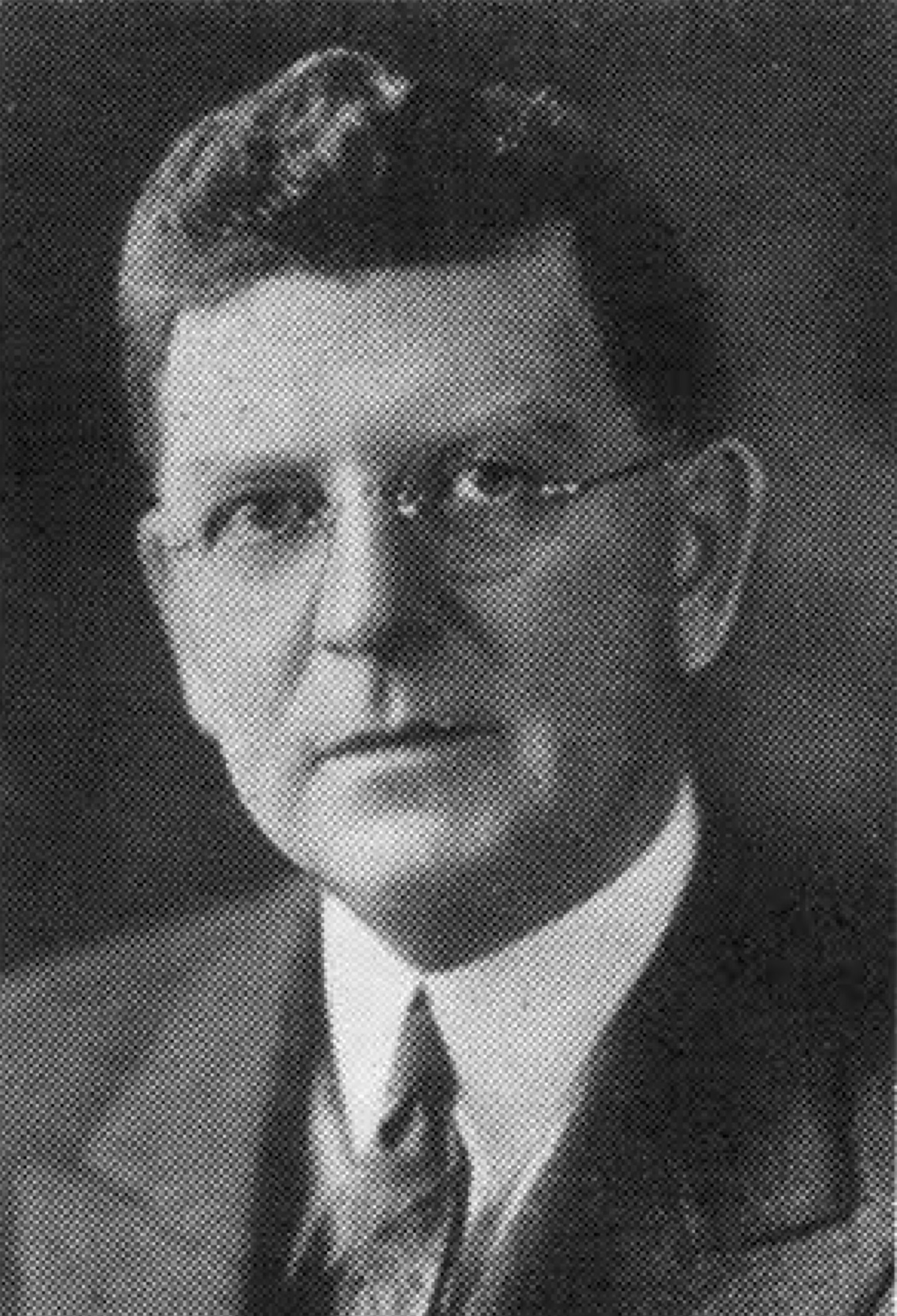
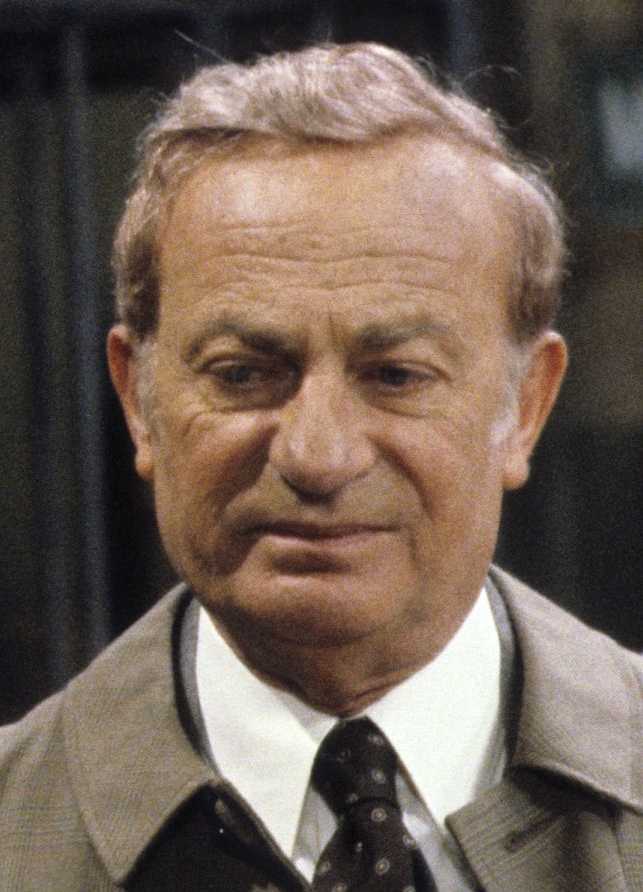
Almost 70 years ago, an enigmatic Italian immigrant bricklayer named Giuseppe Zangara momentarily leaped onto history's stage and took a misguided shot at President-elect...
Franklin Roosevelt, and accidentally killed Chicago's reform mayor, Anton Cermak.
But over the next six and a half decades, the shooting only created more questions than it answered.
Who was Zangara, and who was his intended victim, Anton Cermak, and did the Chicago mob order the killing? The recent discovery of lost government records can now answer those questions and forever seal the case of the guns of Zangara.
In 1931, the labor rackets business in Chicago was worth $145 million, or about a half a billion dollars in today's value.
In fact, unions were such easy prey for gangsters that before Prohibition, the mob saw control of labor unions, not bootleg beer, as the quickest route to riches.
Capone's goons invaded so many union locals that Frank Lesch, president of the Chicago Crime Commission, estimated that two out of every three unions in Chicago was run by Capone.
As Capone terrorized his way into more teamster locals, the union bosses fled out of suburban De Plaines to live under mobster Roger Tuohy's protection.
The Tuohy brothers, Roger, Tommy, and Eddie, were the last serious threat to Capone's might.
The brothers, safely tucked away in the still, mostly undeveloped portion of northern Cook County, had grown rich from prohibition and gambling and the ability to avoid big political payoffs and long-drawn-out beer wars.
Patty Burrell, the Teamsters vice president, called a meeting of all the locals threatened by Capone and gave them a choice.
They could stand alone against Capone and lose their unions and probably their lives, or they could move their operations under Tuohy's protection.
They would still lose a large portion of their treasury to the Tuohys, but at least they'd be alive.
He had a solid reputation as a union organizer in his youth, and compared to Capone, at least, he was still evil.
After the meeting, Burrell sent union boss Jerry Horan to Rogers' house with $75,000 in cash for a defense fund.
Tuohy used that money, plus an additional $75,000 from his own pocket, to hire an army of thugs, killers, and goons to fend off Capone's pending assault.
The rest of this transcript — segmented and speaker-labeled, so you land on the exact moment something was said
Search every transcript — by keyword, by phrase, or by meaning, across every show Radar indexes
Trends — what is surging across podcasts, measured against its own baseline
Alerts — when a name you follow appears in a newly indexed episode
No account is needed to search Radar.