Better Brain Fitness with Drs. Josh Turknett and Tommy Wood
Preventing the Wrong Kind of Brain Plasticity, with Dr. Henry Mahncke
Jun 3, 2026 · 1 hr 4 min · 13 segments
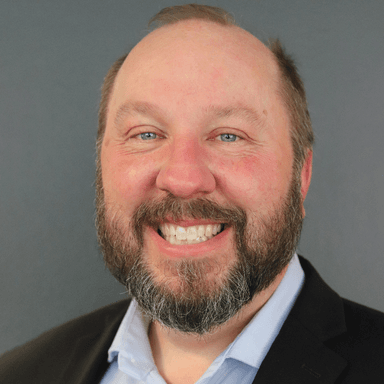
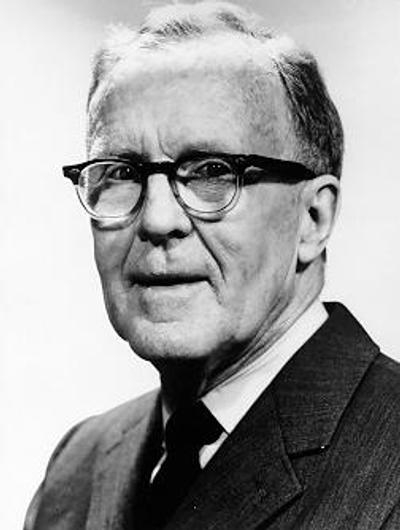
Henry Mahncke is the CEO of Posit Science and the creator of BrainHQ, the most researched brain training platform in the world. A neuroscientist who did his PhD with Michael…
Henry Mahncke is the CEO of Posit Science and the creator of BrainHQ, the most researched brain training platform in the world. A neuroscientist who did his PhD with Michael Merzenich, considered the father of adult brain plasticity, Henry has spent two decades translating brain plasticity science into tools that actually improve brain health. In this conversation, we dig into why most brain training criticism misses the point, what the largest clinical trials really show, and why the future of brain health looks a lot like the evolution of physical fitness. **In this episode:** 00:00 — Introduction and Henry's background (PhD with Merzenich at UCSF, McKinsey, founding Posit Science) 07:00 — Brain training vs. cognitive training: why the distinction matters 09:00 — Brain plasticity as the driver of brain health, and why cognitive reserve is really just brain health 13:00 — Maladaptive brain plasticity: how aging actively degrades information processing through negative plasticity 18:00 — How BrainHQ exercises are designed: adaptive speed and accuracy training from psychophysics 24:00 — The transfer and generalization debate: does brain training improve real-world function? 28:00 — Clinical trial evidence: the Mayo/USC RCT, the ACTIVE study, and 300+ published papers 34:00 — The pharmaceutical analogy: why asking "does brain training work?" is the wrong question 37:00 — Who is brain training for? From post-concussive disorder to Tom Brady 44:00 — Brain training as physical exercise: the case for everyone at every age 46:00 — Real-world brain plasticity activities: racquet sports, musical instruments, foreign languages 51:00 — Josh's Brainjo origin story and what music training does for the brain 55:00 — The loss of skill learning in modern life and education 58:00 — The "dark ages" of brain health and where the field is headed To submit a question for us to answer on the podcast, go to brainjo.academy/question. To subscribe to the free Better Brain Fitness newsletter, join us when we record live, and get our Guide and Checklist to essential blood tests and nutrients, go to: betterbrain.fitness. Click here to order Dr. Wood's book, "The Stimulated Mind." Click here to pre-order Dr. Turknett's upcoming book, "The Genius and the Impostor" Intro and Outro music composed and produced by Julienne Ellen.
Henry Mahncke is the CEO of Posit Science and the creator of BrainHQ, the most researched brain training platform in the world. A neuroscientist who did his PhD with Michael…
- Show signals
- Audience≈3k followers