Oct 13, 2026 · 46 min · 13 segments
When looking at a cookbook, how often do you stop to consider its structure, language, and cultural influences when thinking about how the narrative of recipes is presented? It's easy to overlook how…
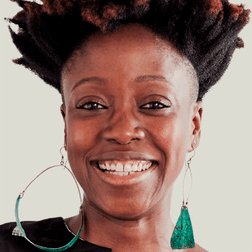
Afia AmoakoGuest
Sarah DuignanHost
So I want to start by exploring what your childhood kitchen was looking like because you paint this really vivid depiction in the cookbook.

Can you talk a bit about the role that food played for your family as you grew up?

Yeah, food was synonymous with a lot of our big and even small memories, whether it is a big Christmas experience or just the nighttime meal and all the good conversations.

My parents opened up their home to not just their immediate siblings, so my mom, my uncles, my, one of my uncles lived with us full time.

My parents, whenever they employed people to help around the house, they would be coming to the home, my parents' friends.

So it was really hallmark of our lives, and if everything is happening in the kitchen, there's food going to be cooked.

So that is what I wanted to capture in the book in terms of food as for my childhood just was not about sustenance.

Yeah, I love that, and you make a statement right at the beginning about that, and I think particularly in this current Western context of food really being, you know, this optimized thing or this thing where it's fuel-based only, it's really refreshing to see that message and, and look at how many different forms that can take too.

Yeah, I-- in some ways it's a bit jarring hearing how people talk about food now.

There's obviously a lot of people who love food, who are just engrossed by it, and it's such a important extension of who they are.

But in another way, just like the productivity bug that everyone is in, everyone-

Yes, they're all great for you, but it's so interesting how then food is stripped of all of these unique and important essence.

So it's so interesting being, especially in North America and being in this time and hearing about food, and I want to just bring it back to like some of the fundamental foundations of food, not just about fueling yourself, but what food can carry for a lot of people.

Can you talk about that in terms of, you know, was food a tether for you? Because I know you traveled and moved around to a lot of different countries, so can you speak to how your relationship with food may be tethered through those experiences?

So I want to start by exploring what your childhood kitchen was looking like because you paint this really vivid depiction in the cookbook.

Can you talk a bit about the role that food played for your family as you grew up?

Yeah, food was synonymous with a lot of our big and even small memories, whether it is a big Christmas experience or just the nighttime meal and all the good conversations.

My parents opened up their home to not just their immediate siblings, so my mom, my uncles, my, one of my uncles lived with us full time.

My parents, whenever they employed people to help around the house, they would be coming to the home, my parents' friends.

So it was really hallmark of our lives, and if everything is happening in the kitchen, there's food going to be cooked.

So that is what I wanted to capture in the book in terms of food as for my childhood just was not about sustenance.

Yeah, I love that, and you make a statement right at the beginning about that, and I think particularly in this current Western context of food really being, you know, this optimized thing or this thing where it's fuel-based only, it's really refreshing to see that message and, and look at how many different forms that can take too.

Yeah, I-- in some ways it's a bit jarring hearing how people talk about food now.

There's obviously a lot of people who love food, who are just engrossed by it, and it's such a important extension of who they are.

But in another way, just like the productivity bug that everyone is in, everyone-

Yes, they're all great for you, but it's so interesting how then food is stripped of all of these unique and important essence.

So it's so interesting being, especially in North America and being in this time and hearing about food, and I want to just bring it back to like some of the fundamental foundations of food, not just about fueling yourself, but what food can carry for a lot of people.

Can you talk about that in terms of, you know, was food a tether for you? Because I know you traveled and moved around to a lot of different countries, so can you speak to how your relationship with food may be tethered through those experiences?
The rest of this transcript — segmented and speaker-labeled, so you land on the exact moment something was said
Search every transcript — by keyword, by phrase, or by meaning, across every show Radar indexes
Trends — what is surging across podcasts, measured against its own baseline
Alerts — when a name you follow appears in a newly indexed episode
No account is needed to search Radar.