
With Paint and with Pen with Naomi Falk
Sep 30, 2026 · 1 hr 16 min · 13 segments
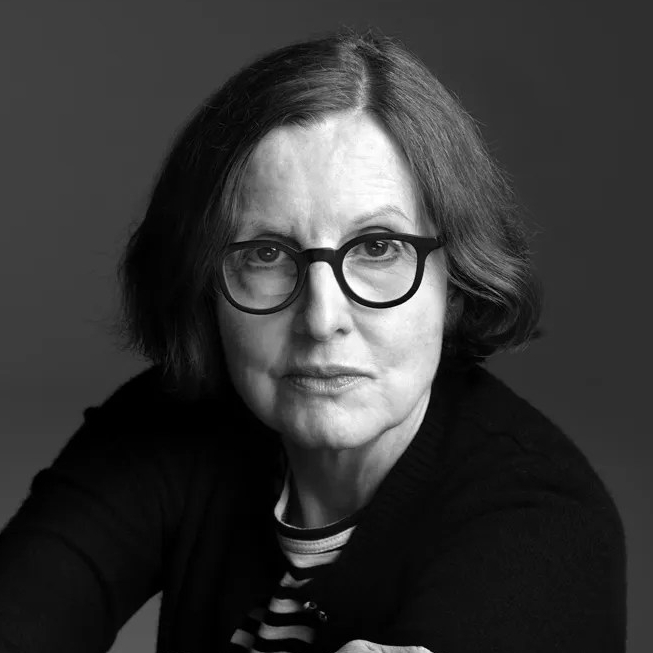
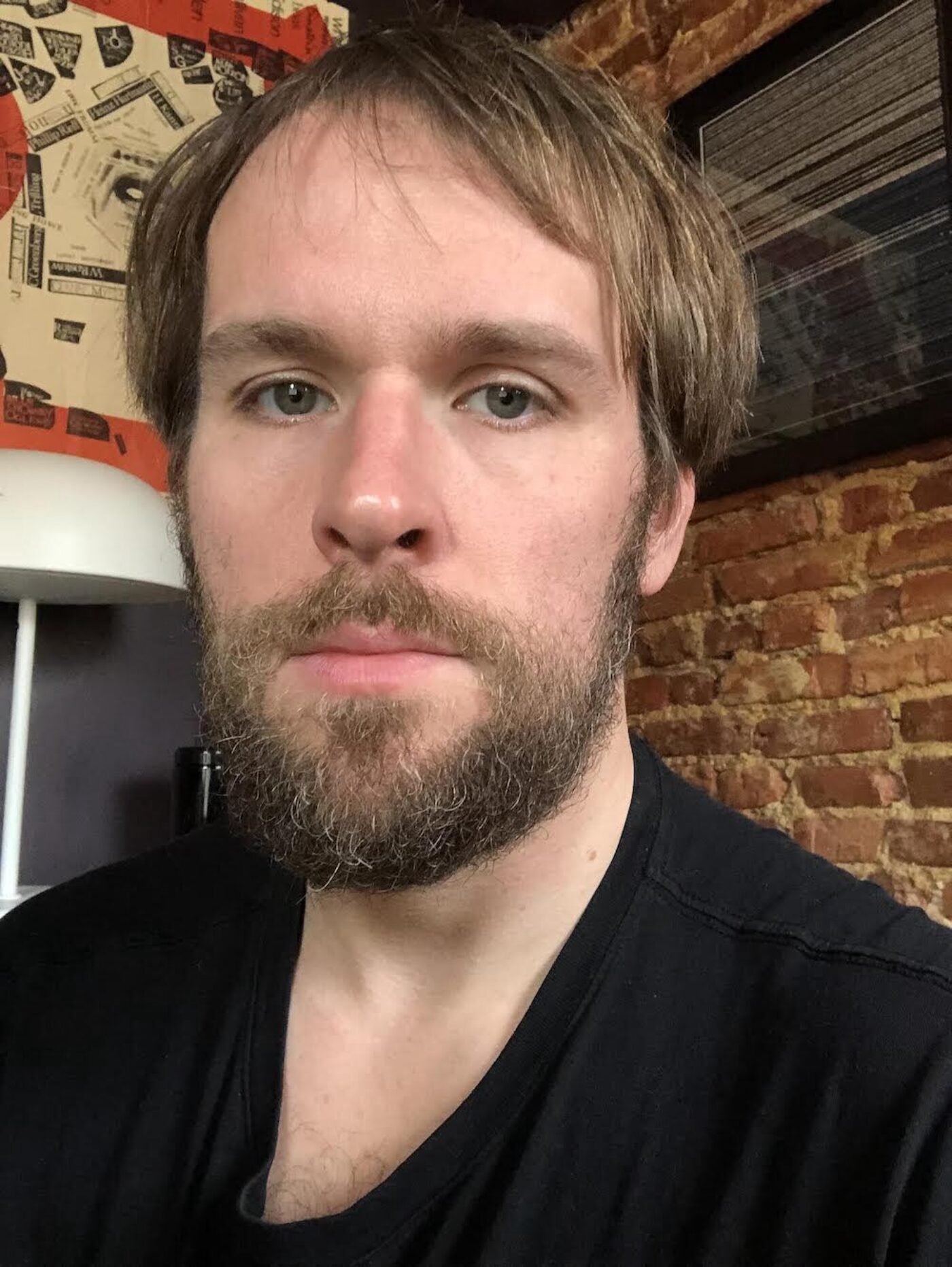
Joe is joined by Naomi Falk to talk about art writing and criticism, the internet leaving you behind, being a young gamer girl, and more. **Contact for Naomi Falk**…
Sep 30, 2026 · 1 hr 16 min · 13 segments
Joe is joined by Naomi Falk to talk about art writing and criticism, the internet leaving you behind, being a young gamer girl, and more. **Contact for Naomi Falk**…
I remember in college, um, I don't know if you'll be able to tell by the way I look, I encountered Hunter S. Thompson, [laughs] and I was like, "Oh man, this guy's writing is cool." Um, and in some of my creative writing classes, um, one particularly, there's a David Foster Wallace essay about, like, a tennis match or something, and we-
And, and we were like, we were looking specifically at, like, how he's doing these long sentences and, like, why and how they work sort of thing.
Um, but just, you know, I don't know, Consider the Lobster, like, these ideas of doing journalism that is not cold and detached, but, like, putting you in the head of the writer and, and yeah, like, I don't know.
Like, I'm really enjoying that sort of thing, and in The Surrender of Man, you kind of reference, um, like, "Oh, this is, this is, like, different from how art writing is gonna be, and people might be mad at it, but I don't care.
I, I gotta say it like this anyway," um, which is, which is interesting to me because I, I am just not familiar with art writing.
Um, I feel like the, the most recent thing I saw was, like, a, a negative review of some show that, like, a comedian put together kind of in response to Picasso being a piece of shit human being.
The curator who doesn't seem to be an art curator, like, didn't grab contemporary female cubist painters and just kind of grabbed it seems like whatever that museum had in storage and was like, "All right, there you go.
Screw you, Picasso." Um, and that, you know, that, that piece of writing I, I feel like felt kind of, like, non-formal too, but I don't know.
What is, what does writing about art normally look and, and sound like in your estimation?
Well, in my estimation, I think, um, people might s- [laughs] people might say that I'm outdated, um, in terms of how much I know about the contemporary art writing landscape.
Um, I think the show you were talking about might have been at the Brooklyn Museum, um, and I had kind of a negative reaction to it as well actually.
Um, but I didn't, like, read more deeply into it, so I don't, um, recall that much.
When I was teaching myself about art history, kind of being like an autodidact for a moment, like, really getting deep into American art history, um, kind of trying to get more into, like, global art history and into art criticism of the 20th century, I was kind of reading the greats, um, one being, like, Clement Greenberg, or more, like, I guess contemporarily, uh, Roberta Smith, who is, um, the partner of Jerry Saltz, who they kind of do, like, very opposite things in terms of being art critics.
He's kind of like the jester, and she's kind of the, um, the voice of reason in a way-






I remember in college, um, I don't know if you'll be able to tell by the way I look, I encountered Hunter S. Thompson, [laughs] and I was like, "Oh man, this guy's writing is cool." Um, and in some of my creative writing classes, um, one particularly, there's a David Foster Wallace essay about, like, a tennis match or something, and we-
And, and we were like, we were looking specifically at, like, how he's doing these long sentences and, like, why and how they work sort of thing.
Um, but just, you know, I don't know, Consider the Lobster, like, these ideas of doing journalism that is not cold and detached, but, like, putting you in the head of the writer and, and yeah, like, I don't know.
Like, I'm really enjoying that sort of thing, and in The Surrender of Man, you kind of reference, um, like, "Oh, this is, this is, like, different from how art writing is gonna be, and people might be mad at it, but I don't care.
I, I gotta say it like this anyway," um, which is, which is interesting to me because I, I am just not familiar with art writing.
Um, I feel like the, the most recent thing I saw was, like, a, a negative review of some show that, like, a comedian put together kind of in response to Picasso being a piece of shit human being.
The curator who doesn't seem to be an art curator, like, didn't grab contemporary female cubist painters and just kind of grabbed it seems like whatever that museum had in storage and was like, "All right, there you go.
Screw you, Picasso." Um, and that, you know, that, that piece of writing I, I feel like felt kind of, like, non-formal too, but I don't know.
What is, what does writing about art normally look and, and sound like in your estimation?
Well, in my estimation, I think, um, people might s- [laughs] people might say that I'm outdated, um, in terms of how much I know about the contemporary art writing landscape.
Um, I think the show you were talking about might have been at the Brooklyn Museum, um, and I had kind of a negative reaction to it as well actually.
Um, but I didn't, like, read more deeply into it, so I don't, um, recall that much.
When I was teaching myself about art history, kind of being like an autodidact for a moment, like, really getting deep into American art history, um, kind of trying to get more into, like, global art history and into art criticism of the 20th century, I was kind of reading the greats, um, one being, like, Clement Greenberg, or more, like, I guess contemporarily, uh, Roberta Smith, who is, um, the partner of Jerry Saltz, who they kind of do, like, very opposite things in terms of being art critics.
He's kind of like the jester, and she's kind of the, um, the voice of reason in a way-
The rest of this transcript — segmented and speaker-labeled, so you land on the exact moment something was said
Search every transcript — by keyword, by phrase, or by meaning, across every show Radar indexes
Trends — what is surging across podcasts, measured against its own baseline
Alerts — when a name you follow appears in a newly indexed episode
No account is needed to search Radar.