308. Flow for Burnout: Steven Kotler’s Science of Peak Performance and Lasting Motivation
Nov 3, 2026 · 1 hr 17 min · 11 segments
“*In times of change, learners inherit the earth; while the learned find themselves beautifully equipped to deal with a world that no longer exists*.” — Eric Hoffer Steven Kotler is a New York Times…
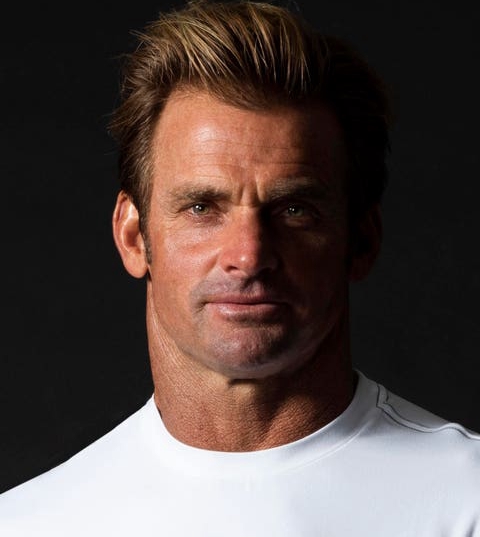
“*In times of change, learners inherit the earth; while the learned find themselves beautifully equipped to deal with a world that no longer exists*.” — Eric Hoffer Steven Kotler is a New York Times bestselling author, award-winning journalist, and one of the world’s leading experts on human performance. He’s the founder and executive director of the Flow Research Collective, where his work focuses on the neuroscience of flow, creativity, intuition, and peak performance. Steven has written 17 books, including *The Rise of Superman*, *Stealing Fire*, and *The Art of Impossible*, and his work has been translated into 80+ languages. His newest book, *We Are As Gods*, explores what happens when technology starts advancing faster than the human brain can keep up—and what it will take to thrive in that world. In this episode: • How to keep up when the world is moving faster than you are. • What to make harder when life has become too easy. • The step by step plan to make better decisions. • How to build motivation that lasts. Let’s WIN THE DAY with Steven Kotler! _ 🎬 Episode website (including 4K video, full transcript, best quotes, etc.): https://jameswhitt.com/306-win-the-day-podcast-steven-kotler _ **Episode links:** 🎯 Want to bring the Win the Day mindset into your organization? Let's talk 📚 ‘We Are As Gods’ by Steven Kotler and Peter H. Diamandis ⚡ Steven Kotler website 📷 Steven Kotler Instagram 📝 Steven Kotler LinkedIn 📝 Steven Kotler Facebook 🌎 Steven Kotler X 🎬 Subscribe to Win the Day YouTube channel 💚 Give the Win the Day podcast a 5-star rating on Apple Podcasts 🙏 Give the Win the Day podcast a 5-star rating on Spotify _ **Timemarkers:** 0:00:00 Steven Kotler intro: flow and peak performance 0:01:57 Childhood lessons and fighting for the underdog 0:07:39 Who redefined high performance: Dean Potter, Navy SEALs 0:11:38 Zen exercise: separating thought from reality 0:14:35 Flow for chronic stress and burnout 0:23:22 Why your phone is blocking flow at the gym 0:27:30 Batch communications to protect cognitive bandwidth 0:33:23 Daily peak performance rituals: the 90-minute block 0:38:43 How environment shapes creativity and focus 0:41:23 Flow at work: 500% more productive 0:47:18 Challenge, meaning, and a frictionless world 0:53:38 Soft skills are the new hard skills 1:00:51 Why affirmations fail: your "shit goes wrong" list 1:05:21 Win the Day rocket round with Steven Kotler _ **Want to support the show?** 1\. Hit 'Follow'. 2\. Leave a 5-star rating. 3\. Share this episode with a friend. This will help the podcast get discovered by more people so they can Win the Day, too. Thank you for your support! It truly means a lot 💕 Onward and upward always… **#WinTheDay** **PS** — Enjoyed this episode? You'll love this one, too: Episode 260 Why Comfort Kills with Joe de Sena
“*In times of change, learners inherit the earth; while the learned find themselves beautifully equipped to deal with a world that no longer exists*.” — Eric Hoffer Steven Kotler is a New York Times…