Jul 24, 2026 · 44 min · 12 segments
In this messy episode, Tiff dives into the world of feminist funding, philanthropy, grantmaking and social justice movements with J. Bob Alotta. A filmmaker turned philanthropic leader, Bob previously…
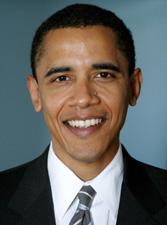
J. Bob AlottaGuest
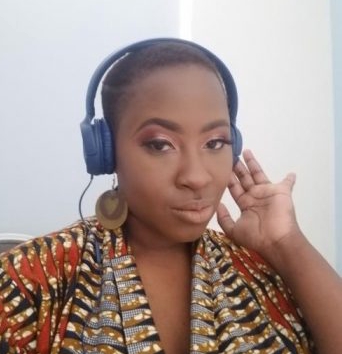
Tiffany Kagure MugoHostAnyone who suddenly comes into money or is thrust into a world of wealth can attest to how it is such a trip.
I have been in spaces where the food tasted like it had generational wealth and I'm like, well, damn, this is wild.
It can be a wild ride entering that world and having that proximity to flows of cash.
And for Bob, it was even more of a whirlwind because of where they came from.

Like, and that really kind of a blew my mind because of my own very complicated and not particularly effective relationship to money.

I say hustler class, you know, like, like I was like off grid for most of my life, you know, like I didn't even have a proper bank account.

But what I really understood is, and in the spirit certainly of Australia, like what it meant to be running an activist financial institution.

And I started to develop language and a consciousness around this, that what I was doing was redirecting and what we were doing was redirecting disparate flows of capital to moving money from where it purposefully was to where it purposely was not.
So we all know where the money is concentrated in the global minority because of colonization and her modern day maiden capitalism.
The concentration of control also informs how the money moves in often inorganic, if that is actually a word, and biased ways.
According to one piece of research by the Center for Global Development, donors are more likely to enter a country if there are already other donors present in that country.
If there are more than 21 donors in a country, other donors are 12.16% more likely to enter that context, which means that the money simply follows the money, leaving the decision to be in certain places built on the age-old principle of partying Who all gonna be there? Look, donors will go to a party if the cool kids are already there, both in terms of organizations and also just like other donors, which leaves a whole bunch of people outside of the club trying to get in.
Look, I know there's a lot of partying metaphors in this part, but like I spent the weekend like eating my youth and being outside.
Anyone who suddenly comes into money or is thrust into a world of wealth can attest to how it is such a trip.
I have been in spaces where the food tasted like it had generational wealth and I'm like, well, damn, this is wild.
It can be a wild ride entering that world and having that proximity to flows of cash.
And for Bob, it was even more of a whirlwind because of where they came from.

Like, and that really kind of a blew my mind because of my own very complicated and not particularly effective relationship to money.

I say hustler class, you know, like, like I was like off grid for most of my life, you know, like I didn't even have a proper bank account.

But what I really understood is, and in the spirit certainly of Australia, like what it meant to be running an activist financial institution.

And I started to develop language and a consciousness around this, that what I was doing was redirecting and what we were doing was redirecting disparate flows of capital to moving money from where it purposefully was to where it purposely was not.
So we all know where the money is concentrated in the global minority because of colonization and her modern day maiden capitalism.
The concentration of control also informs how the money moves in often inorganic, if that is actually a word, and biased ways.
According to one piece of research by the Center for Global Development, donors are more likely to enter a country if there are already other donors present in that country.
If there are more than 21 donors in a country, other donors are 12.16% more likely to enter that context, which means that the money simply follows the money, leaving the decision to be in certain places built on the age-old principle of partying Who all gonna be there? Look, donors will go to a party if the cool kids are already there, both in terms of organizations and also just like other donors, which leaves a whole bunch of people outside of the club trying to get in.
Look, I know there's a lot of partying metaphors in this part, but like I spent the weekend like eating my youth and being outside.
The rest of this transcript — segmented and speaker-labeled, so you land on the exact moment something was said
Search every transcript — by keyword, by phrase, or by meaning, across every show Radar indexes
Trends — what is surging across podcasts, measured against its own baseline
Alerts — when a name you follow appears in a newly indexed episode
No account is needed to search Radar.