Aug 2, 2026 · 56 min · 16 segments
In this episode, we explore the high-stakes realm of Grand Strategy. I am joined by Professor Nick Binedell, a well-known lecturer, speaker and business advisor. In our conversation, we move beyond…
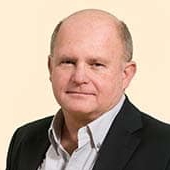
Nick BinedellGuest
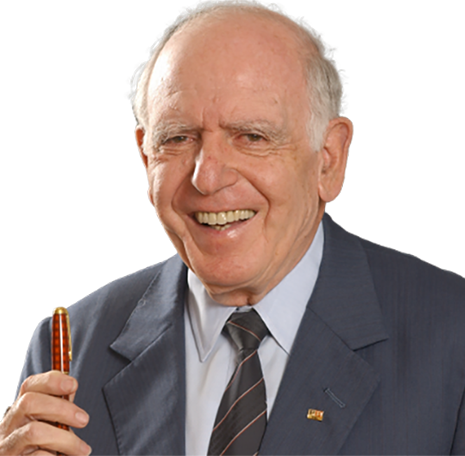
Requier WaitHost
And I'm thinking, how do we manage grant strategy when you think around all of these signals and things happening outside? You mentioned the having a purpose and thinking about key things like innovating.

But how do you manage considering all of the external factors, especially things like the current geopolitical events happening in the world? We see the World Economic Forum's global risk report talk about geoeconomic confrontation as a key risk.

I imagine it's quite a challenge to not be reacting the whole time to these types of shocks and events that are somewhat outside of your control.

How do you balance managing or considering these types of things in terms of your business and that layered stack of strategy that you outlined at the start?

So let me start by saying that a strategic leader's job is to understand how the organization got to where it is, how it got in the room, what it's doing in the room operationally, how it's performing and what's happening operationally.

Are we efficient? Are we maximizing the resources we've got, the skills we've got, the products and services we offer? It's an operational concept.

The second thing to think about deeply is how does that compare to our competitors and how does it sit in our industry or the industry value chain? That's the second level of analysis.

They're worrying about what should I do differently in the operations? What should we do differently in the markets? And is what we're doing differently inside and in the markets going to give us competitive advantage against our rivals? But the third pot in countries like South Africa has always been like this.

If a country's education system is not producing people for the future, then you have a major skills problem, and every industry and company will feel it over time, and that will make you less competitive.

If you are Singapore, you've used this macro factor of education to boost your productivity, to boost your competitiveness, and you become one of the highest earning countries in the world with no natural resources.

It is stuff normally you have to react to, like AI or the current conflicts or the rise of the East.

And these are things that are going to directly affect your business, but they're not in any major way in your control.

You may do some creative things with them that are a bit original, but largely you take them.
The rest of this transcript — segmented and speaker-labeled, so you land on the exact moment something was said
Search every transcript — by keyword, by phrase, or by meaning, across every show Radar indexes
Trends — what is surging across podcasts, measured against its own baseline
Alerts — when a name you follow appears in a newly indexed episode
No account is needed to search Radar.