Nov 22, 2026 · 54 min · 14 segments
A shapeshifting alien, an Antarctic outpost, and a monster movie that summer audiences abandoned for E.T. The Thing follows twelve men at a research station in Antarctica who discover that an alien…
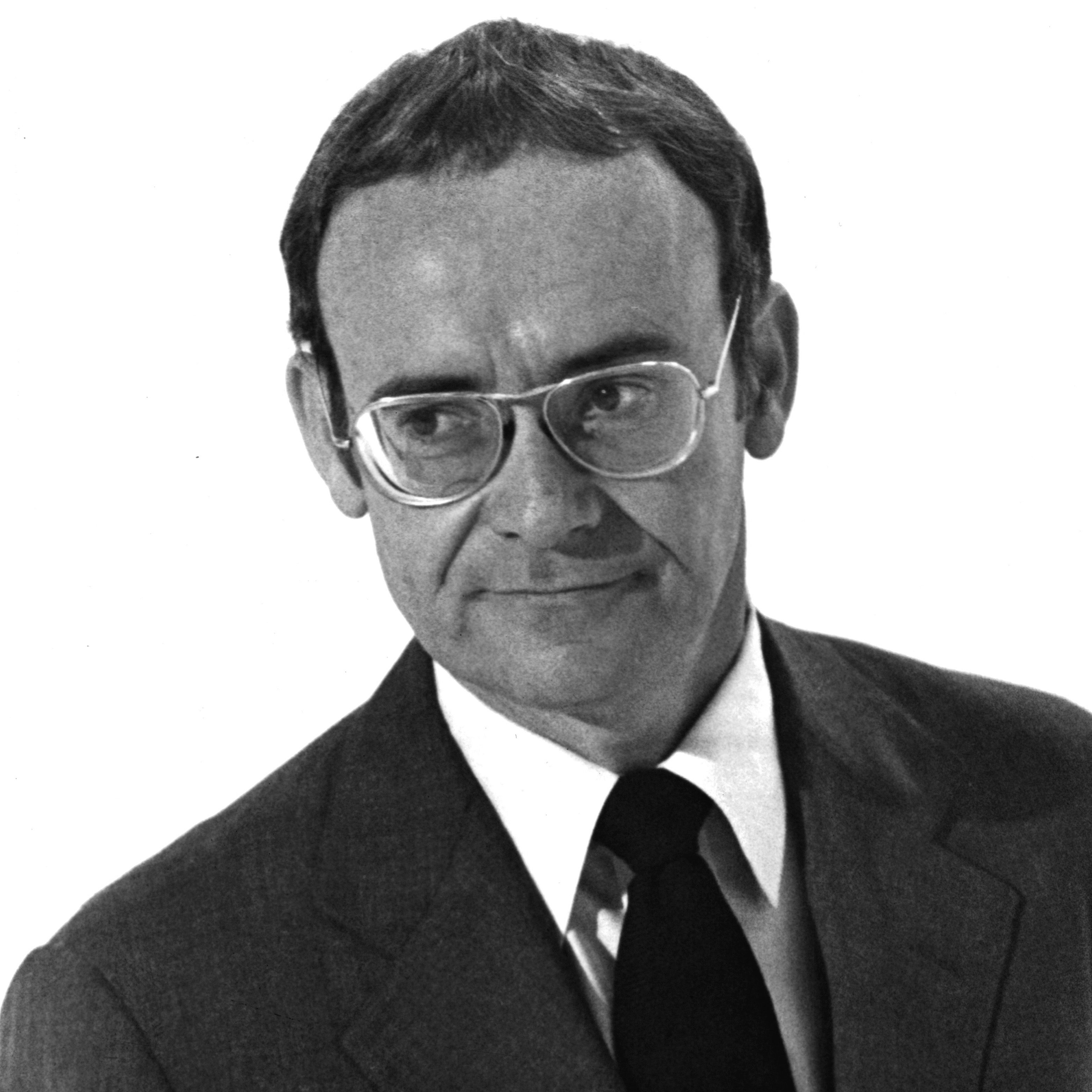
His mother and aunt were identical twins, and the sisters would sometimes play a prank on Campbell, trading places before he returned from school.
This might account for Campbell's suspicion that people were not who they appeared to be.
He was accepted to MIT in 1928 and by his sophomore year had begun writing and submitting stories to the Popes.
Campbell launched his publishing career in Amazing Stories magazine in January 1936 with a piece titled When the Atoms Failed.
He branched into deeper, more introspective stories than his assembly line fiction, submitting them as Don A. Stewart, a play on his wife's name, Donya Stewart.
In 1937, Campbell accepted the job as editor of Astounding Stories magazine, which he rebranded Astounding Science Fiction.
Robert Heinlein and Theodore Sturgeon became regular contributors, and Campbell published L. Ron Hubbard and Isaac Asimov, He demanded stories grounded in real science, and his writers would help the genre grow up.
Campbell largely stopped writing after taking the job, but in August 1938, a new Don A. Stewart story appeared in his own magazine.
The men have discovered an extraterrestrial craft buried in 20 million years of ice and removed a frozen occupant.
Campbell writes, Three mad, hate-filled eyes blazed up with a living fire, bright as fresh-spilled blood.
from a face ringed with a writhing, loathsome nest of worms, blue, mobile worms, that crawled where hair should grow.
Thawing the alien for tests, the men discover too late that not only is the specimen alive, but it has the ability to imitate any living thing it absorbs.
The rest of this transcript — segmented and speaker-labeled, so you land on the exact moment something was said
Search every transcript — by keyword, by phrase, or by meaning, across every show Radar indexes
Trends — what is surging across podcasts, measured against its own baseline
Alerts — when a name you follow appears in a newly indexed episode
No account is needed to search Radar.