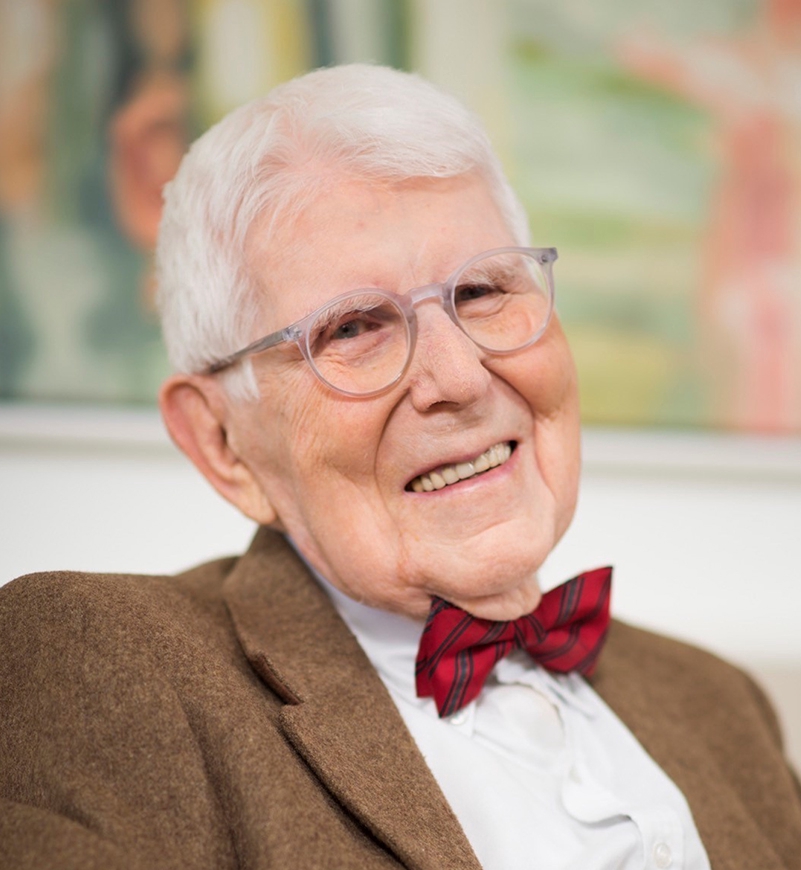
Dr. Michael Yapko on Depression, Hypnosis, and How People Change
Oct 8, 2026 · 1 hr 9 min · 11 segments
"You're not your history. You're more than your history. And the question is, what more are you?" Dr. Michael Yapko has spent his career studying how people become trapped in patterns—and how…
"You're not your history. You're more than your history. And the question is, what more are you?" Dr. Michael Yapko has spent his career studying how people become trapped in patterns—and how psychotherapy and clinical hypnosis can help them discover new possibilities. In this episode of *Transforming Relationships*, Michael joins Dr. David Alter and Dr. Eric Spiegel for a provocative and deeply practical conversation about depression, hypnosis, relationships, and the process of therapeutic change. Michael explains why depression often keeps people oriented toward the past; why feelings, while important, are not always reliable guides for decision-making; and why he thinks psychotherapy is fundamentally about "pattern interruption and pattern building." He also explores why effective hypnosis is relational rather than simply a technique performed on someone, and how therapists can help clients develop concrete sequences for doing things they previously could not imagine themselves doing. The conversation also turns to artificial intelligence and psychotherapy. Michael discusses both the remarkable potential and current limitations of AI in mental health, particularly when it comes to emotional and relational context. And then there are the elephants. Michael shares the extraordinary story of being recruited by the San Diego Wild Animal Park (now the San Diego Zoo Safari Park) to study an expert elephant trainer, identify the largely intuitive patterns underlying his work, and translate them into teachable sequences. The project ultimately helped contribute to changes in how keepers safely work with elephants—while teaching Michael something profound about trust, consistency, relationships, and change. Dr. Michael D. Yapko is a clinical psychologist, internationally recognized authority on clinical hypnosis and depression, and the author of 16 books, including *Breaking the Patterns of Depression*, *Depression Is Contagious*, *The Discriminating Therapist*, and *Trancework*. **Transforming Relationships** *How relationships shape our minds, our lives, and the world.* Hosted by Dr. David Alter and Dr. Eric Spiegel. Subscribe to the Transforming Relationships newsletter: transformingrelationships.substack.com/subscribe
"You're not your history. You're more than your history. And the question is, what more are you?" Dr. Michael Yapko has spent his career studying how people become trapped in patterns—and how…
- Show signals
- Audience≈229 followers