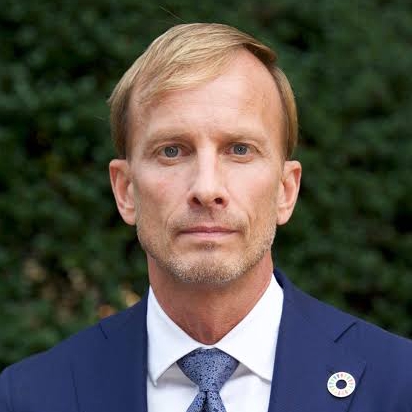
Mark Dybul says this was never the plan for PEPFAR
Aug 11, 2026 · 1 hr 27 min · 11 segments
**For over two decades, the U.S. government has been a lynchpin in the global fight against HIV, pouring billions of dollars into treatment, prevention, and health systems strengthening through…
**For over two decades, the U.S. government has been a lynchpin in the global fight against HIV, pouring billions of dollars into treatment, prevention, and health systems strengthening through initiatives like the U.S. President’s Emergency Plan for AIDS Relief, or PEPFAR.** **Then came Elon Musk, the foreign aid freeze, and a disruptive set of reforms to U.S. global health programs under President Donald Trump’s “America First” Global Health Strategy. Against the backdrop of this tumultuous moment, the question remains: Was the old framework built to sustain solutions, or merely to sustain itself?** **Mark Dybul, PEPFAR’s first leader, who served from 2006 to 2009, joined the Theory of Change podcast to deliver a blunt assessment of the legacy and current trajectory of foreign assistance. Reflecting on the evolution of former President George W. Bush’s signature global health initiative, Dybul addressed the sharp criticisms now driving a broader push for reform.** **While acknowledging the lifesaving impact of past initiatives, Dybul pointed to a fundamental failure in long-term strategy: The shift toward true local ownership never fully materialized. In Dybul’s view, Musk’s Department of Government Efficiency surfaced uneasy truths about how the U.S. government has worked with countries to end the AIDS epidemic — and the opportunities that were missed along the way.** **"The diagnosis was correct. That indictment was correct. I mean, to be honest, it turned my stomach that 25 years later we were spending the same amount of money as when I walked out the door. That wasn't the plan."** **He also pushed back on projections that PEPFAR funding cuts could cause thousands of deaths, arguing that these underestimate governments’ ability to protect health programs — as well as opportunities for greater efficiency.** **As global health systems undergo a rapid overhaul, Dybul argues that the next 12 to 18 months represent a critical window. They must either adapt to a model centered on country sovereignty, local innovation, and mutual economic partnership, or risk watching the entire architecture collapse.**
**For over two decades, the U.S. government has been a lynchpin in the global fight against HIV, pouring billions of dollars into treatment, prevention, and health systems strengthening through…