Why Dating Apps Make Commitment Harder | #10
Jul 19, 2026 · 1 hr 26 min · 13 segments
Dating apps promised more choice. But what if more choice is making relationships harder to build? In this episode of The XX Lab, Dr. Sarah Hill sits down with Dr. Cari Goetz, evolutionary…
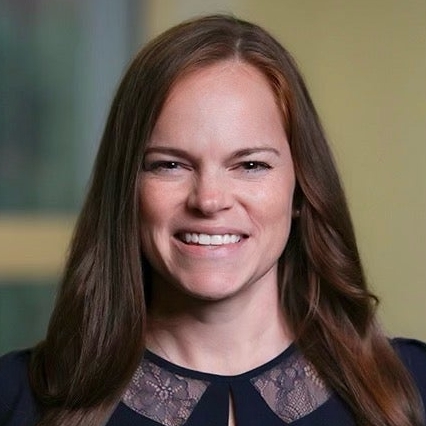
Dating apps promised more choice. But what if more choice is making relationships harder to build? In this episode of The XX Lab, Dr. Sarah Hill sits down with Dr. Cari Goetz, evolutionary psychologist and relationship researcher, to explore the psychology of mate switching, online dating, sexual exploitability, casual sex, and the hidden forces shaping modern relationships. Cari explains how humans evolved in environments with relatively small pools of potential partners, and why today's endless swiping culture may be activating psychological mechanisms that were never designed for thousands of options. The conversation dives into the paradox of choice, why people often become less satisfied when they have more alternatives available, and how dating apps may subtly encourage a constant comparison mindset. ### **How does online dating affect long-term relationships?** Sarah and Cari unpack research suggesting that the way people select partners online may differ dramatically from how humans historically chose mates. Instead of evaluating a few potential partners holistically, many daters begin filtering candidates by isolated traits, which can make commitment more difficult and increase the temptation to keep searching for someone better. The discussion also explores practical strategies for using dating apps without falling into a perpetual mate-switching mentality. If you've ever wondered why dating can feel so exhausting, why casual sex can be emotionally complicated, or why modern relationship advice often feels disconnected from human psychology, this episode offers a nuanced, research-based perspective. ### **Key Takeaways** - The paradox of choice can make people less satisfied with a dating partner when they perceive endless alternatives. - Limiting the number of dating profiles you evaluate may improve decision-making and reduce comparison fatigue. - Early-stage dating is often when people are most vulnerable to a constant "someone better might be out there" mindset. - Being intoxicated, fatigued, or appearing less aware can increase perceptions of vulnerability. - Men who are low in agreeableness and highly interested in casual sex were more likely to perceive women as sexually exploitable. - Sexual regret and sexual disappointment are distinct emotions and may be conflated in some research. - Women's casual sex experiences are often shaped by potential costs such as pregnancy, STIs, and reputational concerns. - Women's sexual motivation may increase during the years when fertility is beginning to decline, potentially reflecting an evolved reproduction-expediting mechanism. ### **Guest Bio** Dr. Cari Goetz is an evolutionary psychologist whose research focuses on mating psychology, mate switching, sexual exploitation, relationship dynamics, and reproductive behavior. She is a faculty member at California State University, San Bernardino and has published extensively on human mating strategies and social behavior. ### **Guest Links** - CSUSB Profile: https://www.csusb.edu/profile/cgoetz - LinkedIn: https://www.linkedin.com/in/cari-goetz-62725542/ - Google Scholar: https://scholar.google.com/citations?user=BIKau3cAAAAJ&hl If you enjoyed this conversation, follow The XX Lab and leave a review to help more listeners discover evidence-based discussions about women's health and human behavior.
Dating apps promised more choice. But what if more choice is making relationships harder to build? In this episode of The XX Lab, Dr. Sarah Hill sits down with Dr. Cari Goetz, evolutionary…