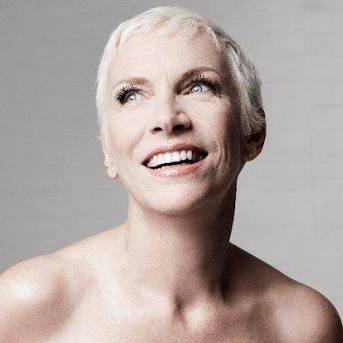
Joy Is a Risk Worth Taking with Kelly McGonigal
Nov 2, 2026 · 1 hr 1 min · 11 segments
What if joy isn't something you wait for until life gets easier, but the very thing that helps you get through it? Stanford psychologist Kelly McGonigal joins me to talk about her new book, Joy Is a…
What if joy isn't something you wait for until life gets easier, but the very thing that helps you get through it? Stanford psychologist Kelly McGonigal joins me to talk about her new book, Joy Is a Risk Worth Taking, and how small moments of joy remind us that life is worth living, that we belong, and that good things are still possible. We talk about how joy and grief live side by side, why joy is contagious (you can actually smell it), and simple experiments you can try today, even when you're not feeling it. ## Listen and Learn - Small moments of joy signal that life is worth living - Sharing your joy builds trust, connection and belonging - Keep doing what you love, even when joy feels muted ## Related Resources Get enhanced show notes for this episode - **>>>Join Diana live November 2 for a free Sangha talk and meditation<<<** - Join the Wise Effort Sangha to access the live Sangha event and previous recordings. - Get your ticket (in-person and streaming) to Diana’s Tell the Truth Salon Series, a live gathering in Santa Barbara, California. - Sign up for Diana's newsletter - Order Diana's book, Wise Effort: How to Focus Your Genius Energy on What Matters Most, and receive special bonus gifts. ## Diana's Events - Join our weekly live Sangha - Come to Costa Rica in April 2027 with Diana - See Diana at an upcoming event ## Connecting With Diana - Subscribe for free on Apple Podcasts and Spotify. - Leave a 5-star review on Apple so people like you can find the show. - Follow Diana on Psychology Today, Insight Timer, YouTube, Instagram, LinkedIn, Facebook, and Diana’s website. - Sign up for the free Wise Effort Newsletter. Thanks to the team, Craig and Ashley Hiatt, and Benjamin Gould of Bell & Branch for your beautiful music. Mentioned in this episode: **Come to Costa Rica with Diana in April 2027** Diana's Retreat in Costa Rica
What if joy isn't something you wait for until life gets easier, but the very thing that helps you get through it? Stanford psychologist Kelly McGonigal joins me to talk about her new book, Joy Is a…