Jul 14, 2026 · 8 min · 10 segments
In this week's episode of The Break Out, Breaking Defense Editor-in-Chief Aaron Mehta and Senior Space Reporter Theresa Hitchens discuss the US military's renewed ambition to harness solar power for…
Aaron MehtaHost
Teresa HitchensGuest
Lee FerranGuest
I wanted to talk about a story that you did focused on a really interesting technology, which is harnessing the power of the sun, I guess, in space.

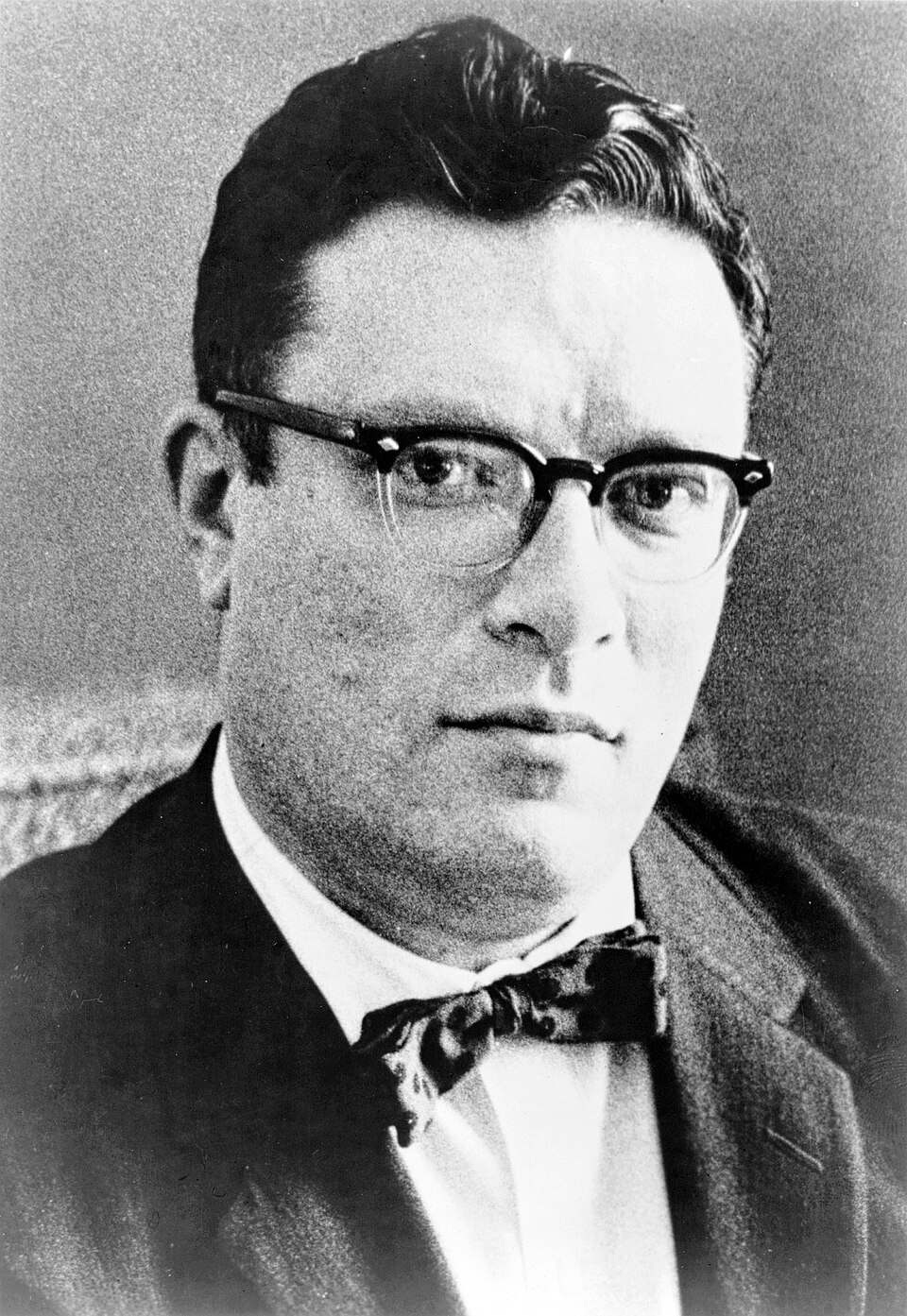
This is known as space-based solar power, and it's an idea that's been around since 1941 as a brainchild of Isaac Asimov.

Um, so it's not a new idea, but it's gained traction recently for a number of reasons, which we can get into in a little bit.

... and converting it into usable radiation that can be beamed to the ground, or to other satellites in space, to provide electricity.


Well, it has to do with a couple of things, um, but probably first and foremost is the power equation, and the fact that w- as we've seen in several recent conflicts in Ukraine, but pretty starkly in the Middle East-

the logistics tail for power supplies has been targeted by adversaries, and that's getting increasingly easier for adversaries to do.

So finding an alternative method of providing electricity to bases and far-flung, um, troops in the field is an important issue for the Pentagon, thus looking at nuclear power-

... and now starting to take a little more seriously the concept of space-based solar power.

What you just said is interesting, is taking it a little bit more seriously, right? Because they've looked into this-

I wanted to talk about a story that you did focused on a really interesting technology, which is harnessing the power of the sun, I guess, in space.

This is known as space-based solar power, and it's an idea that's been around since 1941 as a brainchild of Isaac Asimov.

Um, so it's not a new idea, but it's gained traction recently for a number of reasons, which we can get into in a little bit.

... and converting it into usable radiation that can be beamed to the ground, or to other satellites in space, to provide electricity.


Well, it has to do with a couple of things, um, but probably first and foremost is the power equation, and the fact that w- as we've seen in several recent conflicts in Ukraine, but pretty starkly in the Middle East-

the logistics tail for power supplies has been targeted by adversaries, and that's getting increasingly easier for adversaries to do.

So finding an alternative method of providing electricity to bases and far-flung, um, troops in the field is an important issue for the Pentagon, thus looking at nuclear power-

... and now starting to take a little more seriously the concept of space-based solar power.

What you just said is interesting, is taking it a little bit more seriously, right? Because they've looked into this-
The rest of this transcript — segmented and speaker-labeled, so you land on the exact moment something was said
Search every transcript — by keyword, by phrase, or by meaning, across every show Radar indexes
Trends — what is surging across podcasts, measured against its own baseline
Alerts — when a name you follow appears in a newly indexed episode
No account is needed to search Radar.