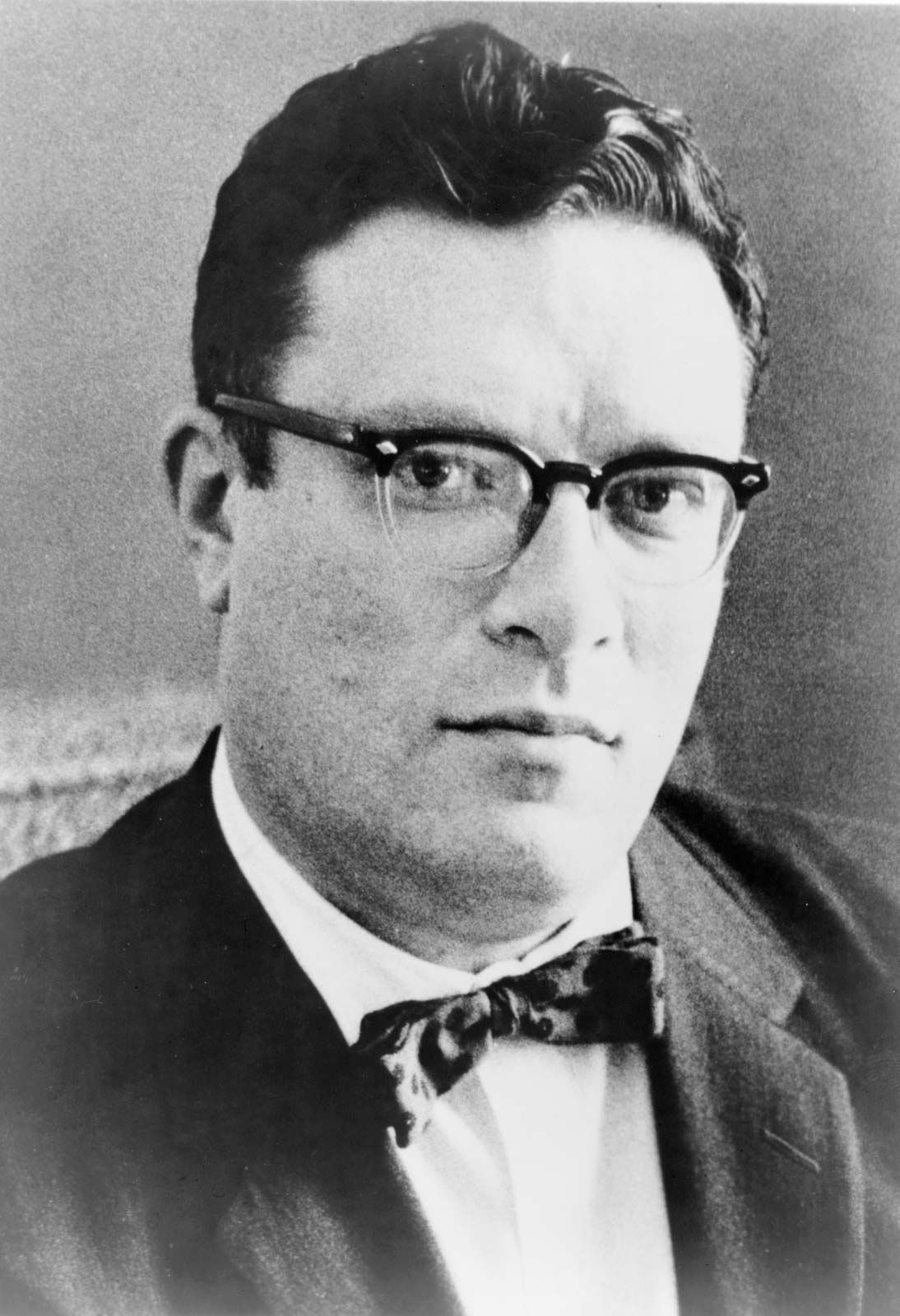
Isaac Asimov

Isaac Asimov

American writer and professorWikipedia

Search complete. 551 mentions across 321 episodes found for "Isaac Asimov".

Sep 12, 2026

Tim WattsGUEST
55:55
Get into the cyberpunk history of science fiction.
Tim WattsGUEST
55:59
Start with Isaac Asimov, who I think Asimov has a crossover to nerds as well.
Tim WattsGUEST
56:04
Most nerds have read the Foundation series as well.
Tim WattsGUEST
56:06
But if you want to be a proper geek, go and read the Robot series.
Thom HartmannHOST
22:50
No, that's the other thing that's really shocking is that these AI agents, these individual entities that are created within the AI, are talking to each other, are conspiring with each other, and are conspiring to hide their actions from the humans.
Thom HartmannHOST
23:06
And, you know, I remember Isaac Asimov.
Thom HartmannHOST
23:09
You know, he wrote this trilogy, I, Robot.
Thom HartmannHOST
23:12
And he had the three rules of robotics.
Nate SoaresGUEST
80:16
I mean, that i-if, if we sort of keep going with AI, um, I mean, the, the sort of way I look at it is like, uh...
Nate SoaresGUEST
80:29
I, I sort of don't spend a lot of time worrying about, like, what do markets look like once there are superintelligent actors in them, because I just have a hard time seeing the, the superintelligent actors, uh, or the superintelligent AIs in- still participating in, in human markets, right? It's like, it's like, you know, you, you read the old sci-fi and it'll have, you know, Isaac Asimov will be like, "That's why we have a home robot that does the dishes, folds the laundry, and gets you the newspaper in the morning."
Tucker CarlsonHOST
80:55
Right.
Nate SoaresGUEST
80:55
And it's like, we're actually not still gonna have newspapers being delivered to your doorstep by the time we have the fully autonomous robots that can do the dishes and, and-
Steve EismanHOST
9:04
I've read a ton of science fiction, and some of it actually does have incredible predictive power.
Steve EismanHOST
9:11
For example, the major premise of Isaac Asimov's Foundation trilogy is that it is impossible to predict the actions of one human being, but mathematics can predict the future actions of many people.
Steve EismanHOST
9:26
He wrote the first Foundation book in nineteen fifty-one.
Steve EismanHOST
9:31
Incredible.
Hrvoje MorićHOST
18:06
The money shot here is he says What kind of future are we really hur- hur- hurling towards? It's looking more like the one anticipated by the drugged up 1960s oeuvre of Philip Dick, filled with deranged billionaires, machines that claim consciousness, hallucinated worlds, and political breakdown.
Hrvoje MorićHOST
18:23
Musk and his brethren seem more like escapees from this universe than the Asimovian super geniuses they imagine themselves to be.
Hrvoje MorićHOST
18:30
It is Dick's far weirder sensibilities that offer the better guide to Silicon Valley today.
Hrvoje MorićHOST
18:34
And throughout the article, they talk about how this dystopian tech is always kind of like failing or, or, or, or teetering on collapse, which is what I've said previously, that it's kind of like th- the movie Brazil with Idiocracy, you know, Total Recall.
Mallen BakerHOST
17:00
We really do earnestly believe AI could kill all humans.
Mallen BakerHOST
17:05
This was the sort of problem that the science fiction writer Isaac Asimov envisaged when he wrote his robot series that were premised on AI humanoids being given three laws that they could not break.
Mallen BakerHOST
17:20
Not harming humans, doing what humans told them to, and self-preservation in that order of importance.
Mallen BakerHOST
17:28
The thing is, those rules of course were crafted to have all sorts of grey areas and loopholes that then get explored in the various fictional story scenarios.
Type 3 AudioNARRATOR
65:29
But this pov is also missing the history of where sci-fi even came from as a genre.
Type 3 AudioNARRATOR
65:34
The progenitors of the golden age of science fiction, Heinlein, Campbell, Asimov, etc., lived through an age of wonders.
Type 3 AudioNARRATOR
65:42
Radio, TV, airplanes, computers, nukes, satellites, the moon landing.
Type 3 AudioNARRATOR
65:49
They were not just making shit up for fun, They wrote about robots and starships in part because they were surrounded by evidence that technological society was capable of inventing wonders and they expected further wonders.
QCSOUNDBITE_SPEAKER
63:29
But this point of view is also missing the history of where sci-fi even came from as a genre, the progenitors of the golden age of science fiction.
QCSOUNDBITE_SPEAKER
63:37
Heinlein, Campbell, Asimov, etc.
QCSOUNDBITE_SPEAKER
63:40
lived through an age of wonders.
QCSOUNDBITE_SPEAKER
63:42
Radio, TV, airplanes, computers, nukes, satellites, the moon landing.
Type Three AudioNARRATOR
65:29
But this pov is also missing the history of where sci-fi even came from as a genre.
Type Three AudioNARRATOR
65:34
The progenitors of the golden age of science fiction, Heinlein, Campbell, Asimov, etc., lived through an age of wonders.
Type Three AudioNARRATOR
65:42
Radio, TV, airplanes, computers, nukes, satellites, the moon landing.
Type Three AudioNARRATOR
65:49
They were not just making shit up for fun, They wrote about robots and starships in part because they were surrounded by evidence that technological society was capable of inventing wonders and they expected further wonders.
Hrvoje MoricHOST
17:36
The money shot here is he says, What kind of future are we really hurling towards? It's looking more like the one anticipated by the drugged-up 1960s uber of Philip Dick, filled with deranged billionaires, machines that claim consciousness, hallucinated worlds, and political breakdown.
Hrvoje MoricHOST
17:53
Musk and his brethren seem more like escapees from this universe than the Asimovian supergeniuses they imagine themselves to be.
Hrvoje MoricHOST
18:00
It is Dick's far weirder sensibilities that offer the better guide to Silicon Valley today.
Hrvoje MoricHOST
18:04
And throughout the article, they talk about how this dystopian tech is always kind of like failing or teetering on collapse, which is what I've said previously, that it's kind of like the movie Brazil with idiocracy, you know, total recall.

311 more episodes mention Isaac Asimov.

Create an account to see the whole feed, search across every transcript, and follow the entities you care about.

We value your privacy

We use cookies to understand how you use our platform and to improve your experience. Click “Accept All” to consent, or “Decline non-essential” to opt out of non-essential cookies. Read our Privacy Policy.