The Thought Leader Revolution Podcast
EP816: Rick Rosenfield - How To Scale to 9 Figures
Sep 15, 2026 · 54 min · 12 segments
*"The minimum standard is excellence. If you have to ask me whether you should serve a burnt pizza, you've already answered the question." — Rick Rosenfield* Rick Rosenfield didn't set out to build a…
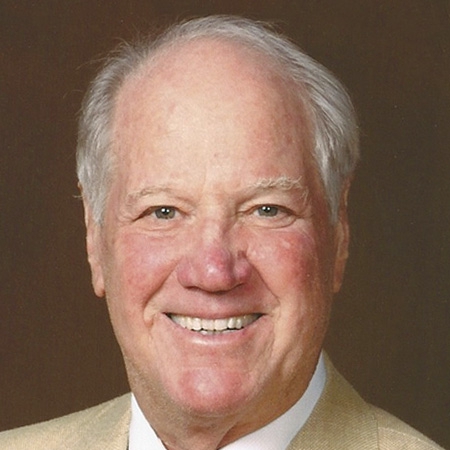
*"The minimum standard is excellence. If you have to ask me whether you should serve a burnt pizza, you've already answered the question." — Rick Rosenfield* Rick Rosenfield didn't set out to build a restaurant empire. He was a federal prosecutor who put mob bosses in prison, then left the Department of Justice to open a pizza restaurant in Beverly Hills with his law partner — no restaurant experience, a mortgaged home, and a business plan written on a word processor that declared California-style pizza would become the third great pizza tradition in America. It happened. California Pizza Kitchen grew to 285 locations, over 14,000 employees, and pioneered what the industry came to call polished casual dining. But Rick's telling of that story is not about barbecue chicken pizza or real estate strategy. It's about a culture framework called ROCK — Respect, Opportunity, Communication, Kindness — and why the minimum standard for staying in the organization was excellence, not effort. In this conversation, Rick and Nicky dig into the specific mechanics of building a people-first business: how CPK set written standards before it was fashionable, why they required every server to pass a menu test before being hired, what Ray Kroc's autobiography taught two lawyers about letting the wrong people go, and the moment they fired their star chef one month into opening — and cried on the office floor — before empowering someone from the kitchen who stayed for 12 years. Rick also shares the expensive lesson of growing too fast when PepsiCo pushed them to open 50 to 100 restaurants a year, and why Navy SEAL sniper and bestselling author Jack Carr's advice — trust your instincts, slow is smooth, smooth is fast — turns out to apply just as well to building a business as it does to a combat mission. Learn more and connect: Find Rick Rosenfield on LinkedIn: https://www.linkedin.com/in/rick-rosenfield-9185933a9/ Resources mentioned: The California Pizza Kitchen Story — Rick Rosenfield (available wherever books are sold) Grinding It Out: The Making of McDonald's — Ray Kroc Terminal List series (Amazon) — Jack Carr Chez Panisse — https://www.chezpanisse.com Spago Beverly Hills — https://www.wolfgangpuck.com/dining/spago Visit https://www.eCircleAcademy.com and book a success call with Nicky to take your practice to the next level. https://www.thethoughtleaderrevolution.com/episodes/816
*"The minimum standard is excellence. If you have to ask me whether you should serve a burnt pizza, you've already answered the question." — Rick Rosenfield* Rick Rosenfield didn't set out to build a…