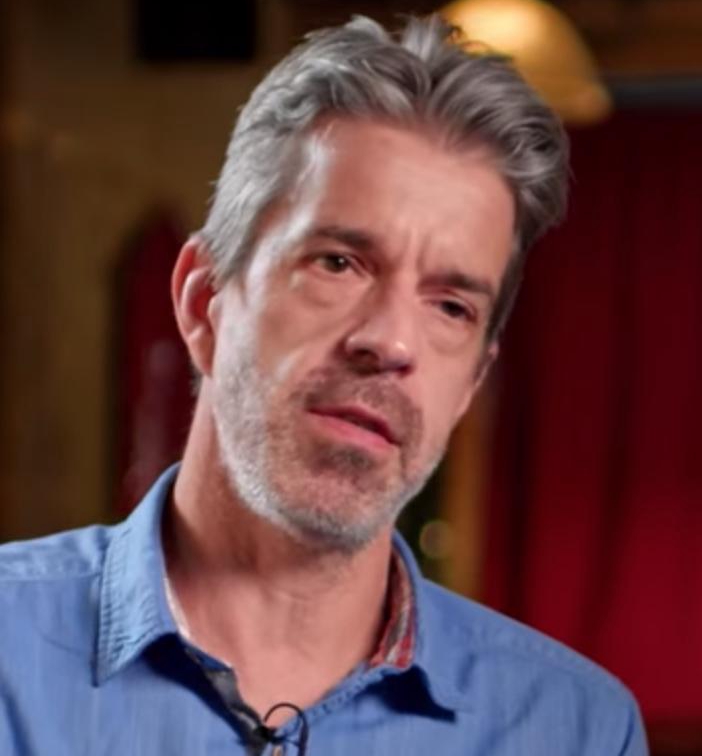
Eric VespeHost
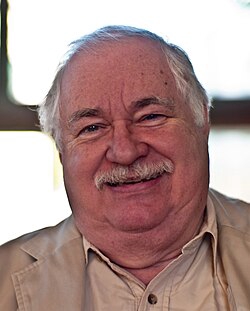
Ian NathanGuestgotta let it go.

There's so much more there because you have, you know, I think when you're looking at something like Jaws, it's more than just a incredibly well-made movie.

You're having the 70s realism thing You know, movement meeting this giant blockbuster age, which would then kind of become defined by Star Wars a little bit later.

And you have somebody like Spielberg and, you know, George Lucas to a different degree.

you know, these kids who were, you know, that didn't get into filmmaking because it was, you know, a job that they thought would be, you know, interesting, you know, in this area.

This is, you know, Spielberg as, you know, kind of chronicled by the Fablemans is, you know, this dude was like bred in a lab to be a filmmaker, right? And he has been obsessed with cinema and saw the world in a cinematic way.

And he was the first generation to really, you know, come up to, to, to do it and, uh, to do it that way.

And I think, you know, there's a, something we've, we've discussed once on the show before we were talking about Pauline Kael and Pauline Kael's, uh, relationships with Steven Spielberg stuff, which is a very interesting topic because, you know, Pauline Kael, you know, lover or hater, you know, she, uh, she was always her, her own independent, uh, voice and she championed spielberg early on and then kind of criticized him later on she didn't like the saccharine spielberg right

but i will say she did like temple of doom and so she'll always have my respect on that one

But but the reason I bring her up is that she had a comment around Jaws specifically where she was talking to another critic, I believe, after having seen the movie.

And he does he is not like the previous generation where the eye was that of a stage director.
gotta let it go.

There's so much more there because you have, you know, I think when you're looking at something like Jaws, it's more than just a incredibly well-made movie.

You're having the 70s realism thing You know, movement meeting this giant blockbuster age, which would then kind of become defined by Star Wars a little bit later.

And you have somebody like Spielberg and, you know, George Lucas to a different degree.

you know, these kids who were, you know, that didn't get into filmmaking because it was, you know, a job that they thought would be, you know, interesting, you know, in this area.

This is, you know, Spielberg as, you know, kind of chronicled by the Fablemans is, you know, this dude was like bred in a lab to be a filmmaker, right? And he has been obsessed with cinema and saw the world in a cinematic way.

And he was the first generation to really, you know, come up to, to, to do it and, uh, to do it that way.

And I think, you know, there's a, something we've, we've discussed once on the show before we were talking about Pauline Kael and Pauline Kael's, uh, relationships with Steven Spielberg stuff, which is a very interesting topic because, you know, Pauline Kael, you know, lover or hater, you know, she, uh, she was always her, her own independent, uh, voice and she championed spielberg early on and then kind of criticized him later on she didn't like the saccharine spielberg right

but i will say she did like temple of doom and so she'll always have my respect on that one

But but the reason I bring her up is that she had a comment around Jaws specifically where she was talking to another critic, I believe, after having seen the movie.

And he does he is not like the previous generation where the eye was that of a stage director.
The rest of this transcript — segmented and speaker-labeled, so you land on the exact moment something was said
Search every transcript — by keyword, by phrase, or by meaning, across every show Radar indexes
Trends — what is surging across podcasts, measured against its own baseline
Alerts — when a name you follow appears in a newly indexed episode
No account is needed to search Radar.