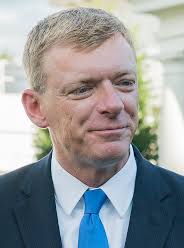
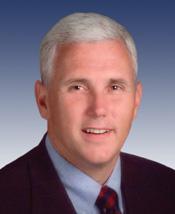
Caroline Welles and Marc Lotter: Will Gen Z Show Up to Vote in the 2026 Midterms?
Oct 26, 2026 · 40 min · 10 segments
Will Gen Z show up to vote in the 2026 midterms? Caroline Welles, a Democratic organizer, and Marc Lotter, a Republican communications strategist, join Ryan Vet for a conversation across the aisle…
Will Gen Z show up to vote in the 2026 midterms? Caroline Welles, a Democratic organizer, and Marc Lotter, a Republican communications strategist, join Ryan Vet for a conversation across the aisle about how each generation votes, why young voters are so hard to reach, and what they would tell the generation that cannot vote yet. Welles is the executive director of The First Ask and the former Director of Surrogates at the DNC. Lotter co-hosts Wake Up America on Newsmax and served as director of strategic communications for the Trump 2020 campaign and as press secretary to Vice President Mike Pence. They start with a simple question: what did you care about the first time you voted? From there they take on what the 2024 election revealed about Gen Z, how campaigns reach people who get their politics from social media, search and AI instead of cable and newspapers, and whether the gap between young men and young women at the ballot box will last. They agree that young people have always voted less than older Americans. They split on why, on what the algorithm is doing to voters, and on where the gender gap goes next. They also get practical. How do you raise kids who think critically instead of letting a feed or a chatbot do it for them? Why do the races at the bottom of the ballot matter more than most people realize? And what would each of them tell Gen Alpha, who are 13 this year and five years from a first vote? This conversation is about how generations engage with politics. It is not an endorsement of any candidate or party, and each guest speaks for themselves. **In this episode** - Their first votes, in 2008 and in 1988, and what each cared about - What the 2024 election missed about Gen Z, from both sides - Where young people get political information now and what it means for campaigns - Whether the gender gap among young voters is a trend or an anomaly - Why young people vote less than older Americans and what might change it - How algorithms and critical thinking shape what voters see and believe - Why local and down-ballot races matter and what to look at before you fill out a ballot - Their messages to Gen Alpha **Connect with the guests** - Caroline Welles, The First Ask: thefirstask.org - Marc Lotter, Wake Up America on Newsmax: @marc\_lotter on X **Voting information** Registration, early voting, ID rules and polling places vary by state. Check your state election office or vote.gov. **Go deeper with COLLIDE** Ryan writes about generational shifts in leadership, work, and culture every week in his COLLIDE newsletter. Read it free. **About The Ryan Vet Show** The Ryan Vet Show is a podcast about generations, culture, leadership, and the future. Host Ryan Vet is a USA Today bestselling author, generational futurist, and keynote speaker with more than 1,000 live in-person presentations. He is a member of the National Speakers Association Million Dollar Speakers Group. New COLLIDE essay episodes release every Thursday at 7am ET. Guest era episodes release Monday mornings at 6am ET. **Coming up** Thursday, October 29: a new COLLIDE essay episode. Send us Fan Mail # **About Ryan Vet** Ryan Vet is a USA TODAY bestselling author, futurist, and international keynote speaker whose insights on generations, culture, and the future of work have been featured in *Forbes, Financial Times, ABC, NBC,* and *CBS*. His research helps leaders understand emerging generational patterns and anticipate societal shifts before they fully unfold. # **Join 20,000+ Leaders for Weekly Insights** If you want deeper research and behind-the-scenes insights on generations and the future of culture and society, join Ryan’s weekly newsletter: 👉 https://ryanvet.com/collide
Will Gen Z show up to vote in the 2026 midterms? Caroline Welles, a Democratic organizer, and Marc Lotter, a Republican communications strategist, join Ryan Vet for a conversation across the aisle…