Aug 27, 2026 · 1 hr 19 min · 13 segments
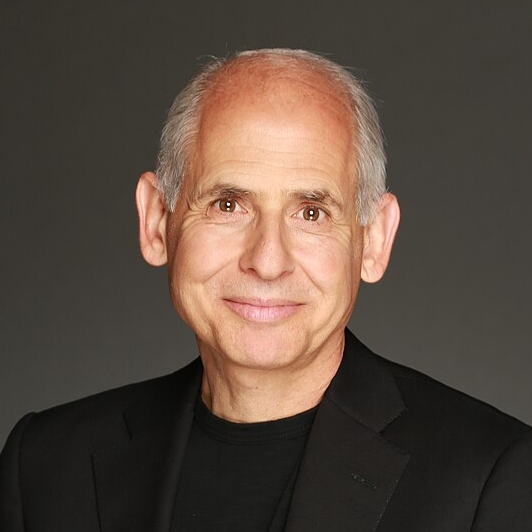
Dr Steven Storage graduated from the University of California Berkeley magna cum laude with a degree in molecular and cell biology. Prior to joining Amen Clinics, Dr Storage was a Clinical Assistant…
Stephen StorridgeGuest
Gary BertwistleHost
You look at their, not only what's happening today, but what happened to you.

Head knocks, traumas, you do a spec scan, you interview them, you're looking for signals and signs.

I'm just wondering then, you said... that 70% of the people who have ADHD will respond well to natural interventions like sleep, nutrition, supplementation.

If you had a young person who was diagnosed and or given the label of being on the autism spectrum, given it's different, but the same in some ways, I suspect, with the brain, Would you look at natural therapies as well? Could they improve the brain of a child or a young person diagnosed on the spectrum with autism?

And this goes back to the idea that mental health is brain health, right? You can't separate the two.

if you optimize the health of someone's brain, you stand a much better chance optimizing their mental health, which includes executive functioning, emotional wellbeing, development.

And some of the things that I see commonly in people on the autism spectrum as like opportunities for optimizing brain health include, we often see high levels of inflammation in the brain.

And then a question becomes, what's driving the inflammation? Is it autism in and of itself? Are there other contributors that are also bringing up inflammation? And how do we address that? Sometimes it's as simple as identifying a previously undiagnosed food sensitivity.

Other times, there could be certain nutritional deficiencies that are contributing to what we're seeing.

The three pillars, I'll say four pillars to brain health for any individual, including people on the autism spectrum are sleep, exercise, nutrition, and eliminating things that are bad for your brain, which for some people it's toxins, for other people it's screens.

So if we can get that on point, we stand a much better chance to have that brain thrive.

And then also the types of things that I'll often see on a scan for someone on the autism spectrum are, there's really four things.

One, the cerebellum in the very back of the brain tends to be underactive and that's the coordination center.

It helps coordinate everything we do from our movements to our speech, to our keeping our thinking organized, our emotions organized.

And if I see that, that creates a set of recommendations that I'm gonna make to help strengthen the cerebellum.

Temporal lobe function, temporal lobes are on the side of the brain and they're really important for things like emotional regulation, but also auditory processing, social interactions.

A lot of times we'll often see that the temporal lobes need some help and then we can target that.

And then two other things, you'll often see something called a hyperfrontal pattern where there's a lot of increased activity towards the front of the brain.

And that predicts things like rigidity, resistance to change, oppositionality, transitions are hard.
The rest of this transcript — segmented and speaker-labeled, so you land on the exact moment something was said
Search every transcript — by keyword, by phrase, or by meaning, across every show Radar indexes
Trends — what is surging across podcasts, measured against its own baseline
Alerts — when a name you follow appears in a newly indexed episode
No account is needed to search Radar.