The Immunology in Africa Podcast
Jun 15, 2026 · 1 hr 3 min · 13 segments
Hosted by Wealth Okete, **The Immunology in Africa Podcast** explores narratives at the nexus of immunology & Africa. We ask professors, postdocs…
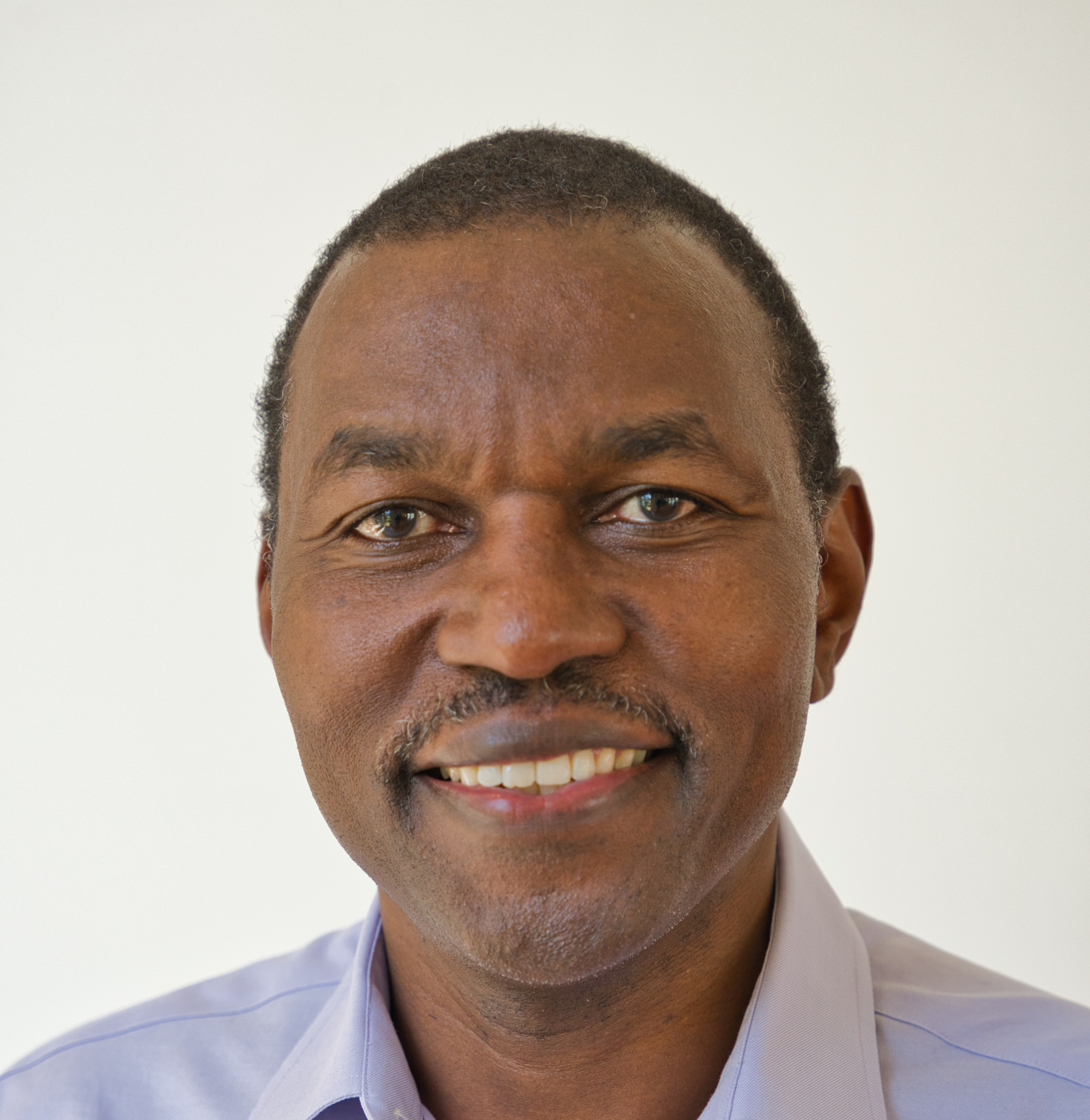
Thumbi Ndung'uGuest
Wealth OketeHost
So how do you come up with some of your ideas? I think some of the ideas you generated so far, of course, this project is a groundbreaking one, but let us just know, I believe there are several young scientists on the continent and beyond that would love to know how Professor Ndungu comes up with some of his creative ideas for scientific projects and research.

I have a curious mind and I read a lot, particularly in my field, because there's a lot that you can learn from the literature, from what other people are doing.

So if you're a scientist, you must read widely, particularly in your field of specialization, in order to understand what other people are doing and what the gaps in knowledge are.

We discuss a lot, you know, and people are not afraid in my group to ask questions and to discuss things because it's by discussing that something lights up and you realize, okay, These people may have investigated this, but there is also this gap in knowledge.

So it's a lot of hard work in terms of reading, keeping up with the literature, but also having open discussions where every idea is welcome to be discussed and debated.

And I try and encourage people in my group, for example, to be very open about discussions and to have all kinds of engagements and discussions so that we can move the field forward.

So for you, it's a blend of your curious mind and then reading a lot of literature to identify those gaps.

And of course, engaging in conversation with your peers and your students, especially.

So, so I also wanted to ask, because when you accepted my invitation, I, I, because of the kind of figure you are on the continent, I also wanted to ask about curiosity.

I wanted to ask about visibility for scientists in Africa, especially, and visibility and branding and the whole idea of African scientists being able to just put themselves out there in the public eye and engage the public.

And it's very beautiful that You are someone who has been very much involved in community engagement, like very local grassroots engagement with communities and individuals.

So the reason why I wanted to ask this question, because I am of the opinion that African scientists do not pay so much attention to, you know, kind of publicity, that kind of branding and visibility, that they don't give so much attention to it.

And I have... listen to you speak about it also in your interviews about the need for visibility and how some of this, you know, groundbreaking work coming up, coming from the continent provides this groundwork for scientists to build visibility but what do you think about your idea of being a visible or popular scientist and what do you think would be some of the benefits or challenges for you that comes with being visible or popular especially now in that era where you know there's a lot going on on social media and even beyond the very traditional and physical platforms for communication but what do you think about yeah

I think it's really important because there's a lot of work good work that goes on in Africa that is going on in Africa but if we don't talk about it nobody will know about it so we need to be out there to talk about our work and advocate for our work and hopefully that will lead to support for the kind of work that is being done some of it is really outstanding work and needs to be supported.

And so I think we need to increase the visibility of African science and African scientists so that people know what is being done and people can know the potential of the work.

But also we need resources to support this kind of work because if you look at funding, for example, it's very low in Africa and most of our funding tends to come from outside the continent.

So how do you come up with some of your ideas? I think some of the ideas you generated so far, of course, this project is a groundbreaking one, but let us just know, I believe there are several young scientists on the continent and beyond that would love to know how Professor Ndungu comes up with some of his creative ideas for scientific projects and research.

I have a curious mind and I read a lot, particularly in my field, because there's a lot that you can learn from the literature, from what other people are doing.

So if you're a scientist, you must read widely, particularly in your field of specialization, in order to understand what other people are doing and what the gaps in knowledge are.

We discuss a lot, you know, and people are not afraid in my group to ask questions and to discuss things because it's by discussing that something lights up and you realize, okay, These people may have investigated this, but there is also this gap in knowledge.

So it's a lot of hard work in terms of reading, keeping up with the literature, but also having open discussions where every idea is welcome to be discussed and debated.

And I try and encourage people in my group, for example, to be very open about discussions and to have all kinds of engagements and discussions so that we can move the field forward.

So for you, it's a blend of your curious mind and then reading a lot of literature to identify those gaps.

And of course, engaging in conversation with your peers and your students, especially.

So, so I also wanted to ask, because when you accepted my invitation, I, I, because of the kind of figure you are on the continent, I also wanted to ask about curiosity.

I wanted to ask about visibility for scientists in Africa, especially, and visibility and branding and the whole idea of African scientists being able to just put themselves out there in the public eye and engage the public.

And it's very beautiful that You are someone who has been very much involved in community engagement, like very local grassroots engagement with communities and individuals.

So the reason why I wanted to ask this question, because I am of the opinion that African scientists do not pay so much attention to, you know, kind of publicity, that kind of branding and visibility, that they don't give so much attention to it.

And I have... listen to you speak about it also in your interviews about the need for visibility and how some of this, you know, groundbreaking work coming up, coming from the continent provides this groundwork for scientists to build visibility but what do you think about your idea of being a visible or popular scientist and what do you think would be some of the benefits or challenges for you that comes with being visible or popular especially now in that era where you know there's a lot going on on social media and even beyond the very traditional and physical platforms for communication but what do you think about yeah

I think it's really important because there's a lot of work good work that goes on in Africa that is going on in Africa but if we don't talk about it nobody will know about it so we need to be out there to talk about our work and advocate for our work and hopefully that will lead to support for the kind of work that is being done some of it is really outstanding work and needs to be supported.

And so I think we need to increase the visibility of African science and African scientists so that people know what is being done and people can know the potential of the work.

But also we need resources to support this kind of work because if you look at funding, for example, it's very low in Africa and most of our funding tends to come from outside the continent.
The rest of this transcript — segmented and speaker-labeled, so you land on the exact moment something was said
Search every transcript — by keyword, by phrase, or by meaning, across every show Radar indexes
Trends — what is surging across podcasts, measured against its own baseline
Alerts — when a name you follow appears in a newly indexed episode
No account is needed to search Radar.