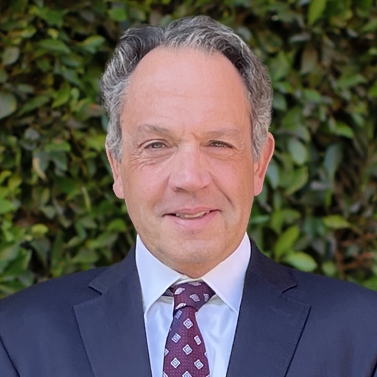
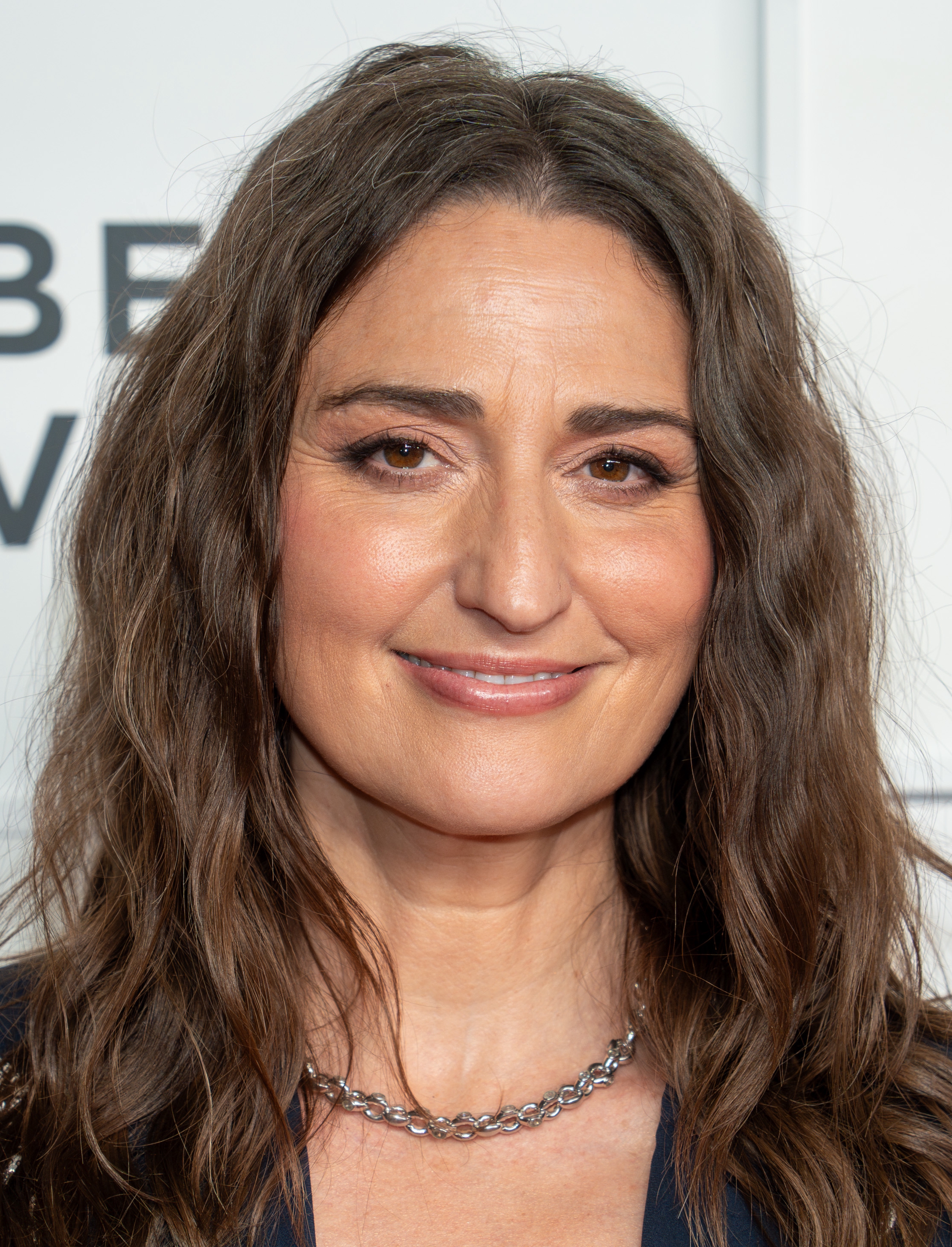
Katharine McPhee FosterGuestBob HamiltonHostBut I think that, you know, by osmosis, you were probably picking up a lot of just being in that environment.
And I think that I'm impressed that your mother actually would be willing to teach you because oftentimes, you know, having a parent as a, you know, the parents is a parent.
They have one role and to have them in the role of a teaching mode is a very different role.
And sometimes I think the kids don't necessarily respect that role of their parent, if you know what I'm talking about.
So but you clearly had, you know, obviously you were very gifted because you have gone far in this world.
um music okay so music was a very important thing um the subtitle of this podcast is where kids and culture collide and i think that one of the things that i tell all of my patients and people who come to my practice know this uh firsthand is that i tell people get your kids involved with music can you talk about that uh you were in music because it was surrounding you, but your thoughts about that concept.
Yeah, I mean, so my mom, even though I didn't take tons of voice lessons with my mom, like you said, it was like this osmosis kind of thing.
It was part of my upbringing, my environment, and um it gave me something to be focused on regardless of whether or not i was being like disciplined doing these strict vocal warm-ups but um i'm actually working on a a project hopefully that we'll have to raise money for and all this stuff but that will be with this big theater company um and one of the components of it is that we're going to try and create new works of musicals and theater But the component of it that is really interesting to me is the outreach to community and to underprivileged communities and making theater music accessible to these communities.
And, you know, it's not fleshed out enough yet for me to talk about it in completion, but I know that from talking to my mom and watching her with some of her very, very young students from teens to 20 something year olds, like I would see the confidence in these students with my mom and hearing the stories from my mom build and grow.
And I know that I even experienced that myself as I, you know, got more into the arts and put myself out there performing, doing the musicals in the, in the middle school and in the high school.
And, um, I just know how, whether it is something that you end up pursuing professionally, not the point.
It does something to a person's, um, confidence and it gives them a focus, a discipline.
And it's just like incredible things that every person really needs.
Something like that doesn't have to be music, but I do think it's a really, um, beneficial thing to offer your child or to a child that, you know, um, because I've seen firsthand, like how it's affected people.
question? I think that what you're saying is that That discipline, part of this whole thing of music is a discipline.
I mean, the interesting thing, Kat, you probably know this, is that a lot of doctors are musicians.
But I think that, you know, by osmosis, you were probably picking up a lot of just being in that environment.
And I think that I'm impressed that your mother actually would be willing to teach you because oftentimes, you know, having a parent as a, you know, the parents is a parent.
They have one role and to have them in the role of a teaching mode is a very different role.
And sometimes I think the kids don't necessarily respect that role of their parent, if you know what I'm talking about.
So but you clearly had, you know, obviously you were very gifted because you have gone far in this world.
um music okay so music was a very important thing um the subtitle of this podcast is where kids and culture collide and i think that one of the things that i tell all of my patients and people who come to my practice know this uh firsthand is that i tell people get your kids involved with music can you talk about that uh you were in music because it was surrounding you, but your thoughts about that concept.
Yeah, I mean, so my mom, even though I didn't take tons of voice lessons with my mom, like you said, it was like this osmosis kind of thing.
It was part of my upbringing, my environment, and um it gave me something to be focused on regardless of whether or not i was being like disciplined doing these strict vocal warm-ups but um i'm actually working on a a project hopefully that we'll have to raise money for and all this stuff but that will be with this big theater company um and one of the components of it is that we're going to try and create new works of musicals and theater But the component of it that is really interesting to me is the outreach to community and to underprivileged communities and making theater music accessible to these communities.
And, you know, it's not fleshed out enough yet for me to talk about it in completion, but I know that from talking to my mom and watching her with some of her very, very young students from teens to 20 something year olds, like I would see the confidence in these students with my mom and hearing the stories from my mom build and grow.
And I know that I even experienced that myself as I, you know, got more into the arts and put myself out there performing, doing the musicals in the, in the middle school and in the high school.
And, um, I just know how, whether it is something that you end up pursuing professionally, not the point.
It does something to a person's, um, confidence and it gives them a focus, a discipline.
And it's just like incredible things that every person really needs.
Something like that doesn't have to be music, but I do think it's a really, um, beneficial thing to offer your child or to a child that, you know, um, because I've seen firsthand, like how it's affected people.
question? I think that what you're saying is that That discipline, part of this whole thing of music is a discipline.
I mean, the interesting thing, Kat, you probably know this, is that a lot of doctors are musicians.
The rest of this transcript — segmented and speaker-labeled, so you land on the exact moment something was said
Search every transcript — by keyword, by phrase, or by meaning, across every show Radar indexes
Trends — what is surging across podcasts, measured against its own baseline
Alerts — when a name you follow appears in a newly indexed episode
No account is needed to search Radar.