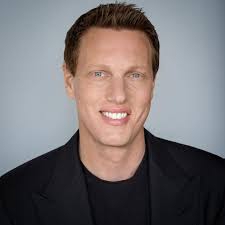
Jim OliphantGuest
Arjun SinghHost
If you've never seen them, these reels are so large they might not even fit in a conventional bedroom.
is what you most can't have.
And what you most can't have

That was a clip from the new movie The Odyssey, now the biggest IMAX release of all time, and the biggest film of director Christopher Nolan's career.

Nolan also happens to be the current president of the Directors Guild of America.

For years, Nolan was based at Warner Brothers, where he had an office for his production company situated on the famous WB lot.

But at the end of 2020, in the depths of the COVID-19 pandemic, Warner Brothers announced something called Project Popcorn, a plan to put every new movie on their streaming service the same day it hit theaters.
There's such controversy around it because they didn't tell anyone.
In 2021, they've got some of the top filmmakers in the world.
They've got some of the biggest stars in the world who worked for years in some cases on these projects very close to their hearts that are meant to be, you know, big screen experiences.
They're meant to be out there for the widest possible audiences, the sort of a release, and now they're being used as a loss leader for the streaming service, for the fledgling streaming service.

But it was one part of a bigger issue directors, screenwriters, and actors in Hollywood have been speaking up about.

The fear of corporate excess in filmmaking, and especially corporate consolidation.

Now as the Odyssey is selling out IMAX theaters throughout the world, Warner Bros. is going through another long and winding journey.

This time to become part of the movie studio Paramount, which came under the ownership of David Ellison, son of the billionaire tech mogul and stalwart Trump ally Larry Ellison.
We also really looked at where traditional tech companies were, you know, call it 10, 15 years ago.
And there was a period of time where, you know, the Microsofts of the world, the Oracles of the world were being disrupted.
And those companies that actually disrupted themselves and transitions are now trading at all time highs.
We believe we have the opportunity to do the same thing.

Meanwhile, people like Nolan fear what more mergers in the industry would mean for film as a medium.

Despite the DOJ waving it through, a dozen state attorneys general led by Californians are challenging the merger on antitrust grounds.

So today on the Capital Forum Investigates, I'll sit down with two of our editors, Jeff Bliss and Jim Oliphant, to examine the case and critically, ask if the Hollywood of today will still exist tomorrow.
Read the full transcript.
Create an account to read the whole episode, search across every transcript, and follow the shows you care about.

If you've never seen them, these reels are so large they might not even fit in a conventional bedroom.
is what you most can't have.
And what you most can't have

That was a clip from the new movie The Odyssey, now the biggest IMAX release of all time, and the biggest film of director Christopher Nolan's career.

Nolan also happens to be the current president of the Directors Guild of America.

For years, Nolan was based at Warner Brothers, where he had an office for his production company situated on the famous WB lot.

But at the end of 2020, in the depths of the COVID-19 pandemic, Warner Brothers announced something called Project Popcorn, a plan to put every new movie on their streaming service the same day it hit theaters.
There's such controversy around it because they didn't tell anyone.
In 2021, they've got some of the top filmmakers in the world.
They've got some of the biggest stars in the world who worked for years in some cases on these projects very close to their hearts that are meant to be, you know, big screen experiences.
They're meant to be out there for the widest possible audiences, the sort of a release, and now they're being used as a loss leader for the streaming service, for the fledgling streaming service.

But it was one part of a bigger issue directors, screenwriters, and actors in Hollywood have been speaking up about.

The fear of corporate excess in filmmaking, and especially corporate consolidation.

Now as the Odyssey is selling out IMAX theaters throughout the world, Warner Bros. is going through another long and winding journey.

This time to become part of the movie studio Paramount, which came under the ownership of David Ellison, son of the billionaire tech mogul and stalwart Trump ally Larry Ellison.
We also really looked at where traditional tech companies were, you know, call it 10, 15 years ago.
And there was a period of time where, you know, the Microsofts of the world, the Oracles of the world were being disrupted.
And those companies that actually disrupted themselves and transitions are now trading at all time highs.
We believe we have the opportunity to do the same thing.

Meanwhile, people like Nolan fear what more mergers in the industry would mean for film as a medium.

Despite the DOJ waving it through, a dozen state attorneys general led by Californians are challenging the merger on antitrust grounds.

So today on the Capital Forum Investigates, I'll sit down with two of our editors, Jeff Bliss and Jim Oliphant, to examine the case and critically, ask if the Hollywood of today will still exist tomorrow.