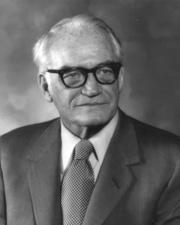
Will Robinson: "Consultants are parasites"
Sep 8, 2026 · 1 hr 4 min · 12 segments
Will Robinson has made ads for Democrats for forty years. He opens this conversation by calling his own profession parasitic. We start with what artificial intelligence has done to political…
Will Robinson has made ads for Democrats for forty years. He opens this conversation by calling his own profession parasitic. We start with what artificial intelligence has done to political communication since late 2025. Voters searching for a candidate increasingly get a synthesized paragraph instead of a list of links, and only about one percent click through to a source. Will searched himself and found out he is a Republican state representative from Florida. His conclusion: thirty years of message discipline now points the wrong way. The rule was never repeat the attack, but if the denial is not published somewhere a machine can read it, the denial does not exist. From there: why the Democratic Party cannot adapt, and what Blockbuster and Sears have to do with it. Why broadcast is down to nineteen percent of video viewing while campaigns still spend like it is 2004. Why a college-educated woman from Bryn Mawr, one from Ohio State and one from Liberty are three different audiences, not one demographic. Why a story beats a bag full of facts. And what he would build with one hundred million dollars, which is not ads. Will Robinson is co-founder of the New Media Firm and writes Will Robinson's Newsletter on Substack. CHAPTERS 00:00 Cold open 00:20 Introduction 02:17 AI has changed politics, and it does not know what is true 06:23 Why never repeat the attack is now backwards 10:10 The two questions every campaign should start with 13:18 The innovator's dilemma, from Blockbuster to the Democratic Party 17:12 Consultants, profit, and the case for programmatic 20:50 Why campaign managers cannot push back 23:36 Audience-first: Bryn Mawr, Ohio State, Liberty 26:51 Culture crushes credentials 29:00 Why a story beats a bag full of facts 34:08 Two hospitals close, and a woman sobbing at the pharmacy 37:20 What Abdul El-Sayed's win actually shows 41:06 The fire hose of falsehood 45:59 If I had one hundred million dollars, I would train 50:01 Leadership, Tip O'Neill, and what is going on on the ground 55:41 We cannot rent attention, we cannot rent allegiances 58:48 Career advice: you have not lost enough elections LINKS Will Robinson's Newsletter: https://willrobinson.substack.com The post on the two questions: https://willrobinson.substack.com/p/im-a-media-consultant-who-tells-clients The Rob Stein conversation: https://willrobinson.substack.com/p/a-legacy-of-strategy-what-rob-stein The New Media Firm: https://thenewmediafirm.com GAIN Power: https://www.gainpower.org This episode: https://thecampaignstrategist.substack.com/p/will-robinson-consultants-are-parasites The Campaign Strategist is produced by Prismatic Strategies. Hosted by Pete Altman. Music by Andrea Perry and Pete Altman. New episodes at https://substack.tcspod.com If this episode was useful, a rating and review on Apple Podcasts genuinely helps other people find the show. **Find and subscribe:** Substack and your favorite platforms. Contact: Contact@PrismaticStrategiesLLC.com Find us on LinkedIn and Bluesky
Will Robinson has made ads for Democrats for forty years. He opens this conversation by calling his own profession parasitic. We start with what artificial intelligence has done to political…