Jul 16, 2026 · 34 min · 10 segments
The problem of Australian knowing and engaging Indonesia, as our closest neighbour, has vexed successive Australia governments ever since Keating called for Asian literacy in the 1980s. Toward that…
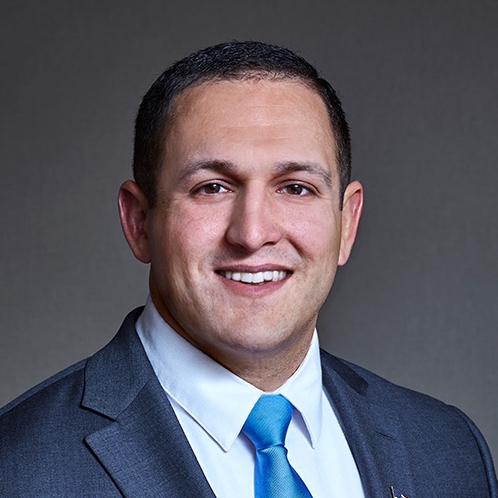
Liam PrinceGuest
Jacqui BakerHost
Successive Australian governments, both Liberal and Labor, have periodically turned to this question of Asian capabilities.

Most recently, we have seen the Albanese government run a parliamentary inquiry into Australia's Asian capabilities.

And so I'm really curious, Liam, why have we seen this parliamentary inquiry? Why has this particular government intervention taken the form of a parliamentary inquiry? And why now?

I think you're right to highlight that it's not the first time around this particular mulberry bush for the Australian government.

We have been doing reports like this, or the Australian government, I should say, has been doing reports on Asian capability or the study of Asia or Asian languages since at least the 1970s.

And ever since then, probably in sort of five year increments, we've had official reports.

Now, I don't know, perhaps this is the first one that does take the form of a parliamentary inquiry.

I couldn't ascertain whether that is the case, but there's certainly been reports to ministers and, you know, different formats for having this conversation.

And there's a great, just to get in early and plug the book, there's a great chapter in the forthcoming A Teacher's Volume from Kiralee Hughes, which charts the key reports and that history of inquiry into this particular policy area.

But to go back to your question of why another inquiry now, I think it's been a good time.

It's been 10 years plus since you mentioned the end of NAUSP, which was the last big policy intervention in 2012 under the Rudd-Gillard government, which provided significant funding for the study of Asian languages in schools.

It also was timed with, as you said, the release of the Asian Century White Paper.

But then really we've had a decade plus of where it's been quite quiet on this front, particularly around the study of Asian languages in schools.

That particular part of the puzzle, we've had no funding for that, and the parliamentary or government attention to that has been extremely quiet on the government front.

There have been others of us in the sector, out in education systems, in the school systems, in the university systems, people that do care about this particular policy agenda that haven't been lying dormant.

We've been trying to shape up the discussion issue of the decline of the study of Asian languages, particularly in schools, as a pressing issue and to garner the attention of government.

And I'll just sort of declare my personal history around this was starting as David Hill's research assistant back in 2010, working on an ALTC research fellowship, looking at a strategy for preserving Indonesian language in Australian universities.

And that began me on a journey of paying close attention to the data that did exist on enrolments in Asian languages, both at universities, but very quickly in schools as well.

So that sort of seeded in me a habit of paying attention to those statistics and framing them up, trying to insert them into the public discourse around this and really get the issue back on the agenda.

Successive Australian governments, both Liberal and Labor, have periodically turned to this question of Asian capabilities.

Most recently, we have seen the Albanese government run a parliamentary inquiry into Australia's Asian capabilities.

And so I'm really curious, Liam, why have we seen this parliamentary inquiry? Why has this particular government intervention taken the form of a parliamentary inquiry? And why now?

I think you're right to highlight that it's not the first time around this particular mulberry bush for the Australian government.

We have been doing reports like this, or the Australian government, I should say, has been doing reports on Asian capability or the study of Asia or Asian languages since at least the 1970s.

And ever since then, probably in sort of five year increments, we've had official reports.

Now, I don't know, perhaps this is the first one that does take the form of a parliamentary inquiry.

I couldn't ascertain whether that is the case, but there's certainly been reports to ministers and, you know, different formats for having this conversation.

And there's a great, just to get in early and plug the book, there's a great chapter in the forthcoming A Teacher's Volume from Kiralee Hughes, which charts the key reports and that history of inquiry into this particular policy area.

But to go back to your question of why another inquiry now, I think it's been a good time.

It's been 10 years plus since you mentioned the end of NAUSP, which was the last big policy intervention in 2012 under the Rudd-Gillard government, which provided significant funding for the study of Asian languages in schools.

It also was timed with, as you said, the release of the Asian Century White Paper.

But then really we've had a decade plus of where it's been quite quiet on this front, particularly around the study of Asian languages in schools.

That particular part of the puzzle, we've had no funding for that, and the parliamentary or government attention to that has been extremely quiet on the government front.

There have been others of us in the sector, out in education systems, in the school systems, in the university systems, people that do care about this particular policy agenda that haven't been lying dormant.

We've been trying to shape up the discussion issue of the decline of the study of Asian languages, particularly in schools, as a pressing issue and to garner the attention of government.

And I'll just sort of declare my personal history around this was starting as David Hill's research assistant back in 2010, working on an ALTC research fellowship, looking at a strategy for preserving Indonesian language in Australian universities.

And that began me on a journey of paying close attention to the data that did exist on enrolments in Asian languages, both at universities, but very quickly in schools as well.

So that sort of seeded in me a habit of paying attention to those statistics and framing them up, trying to insert them into the public discourse around this and really get the issue back on the agenda.
The rest of this transcript — segmented and speaker-labeled, so you land on the exact moment something was said
Search every transcript — by keyword, by phrase, or by meaning, across every show Radar indexes
Trends — what is surging across podcasts, measured against its own baseline
Alerts — when a name you follow appears in a newly indexed episode
No account is needed to search Radar.